


The Pond That Holds No Water: A Rain Garden Built a Century Before the Term Existed
- 飯島 一郎

- Jul 19
- 3 min read
Early in the morning, I put my foot against the base of the pine, and the bark still held the damp of the night.
This garden sits in Onoe-cho, Yokkaichi City, Mie Prefecture, Japan.
Every tree here, every stone, was placed by someone more than a century ago.
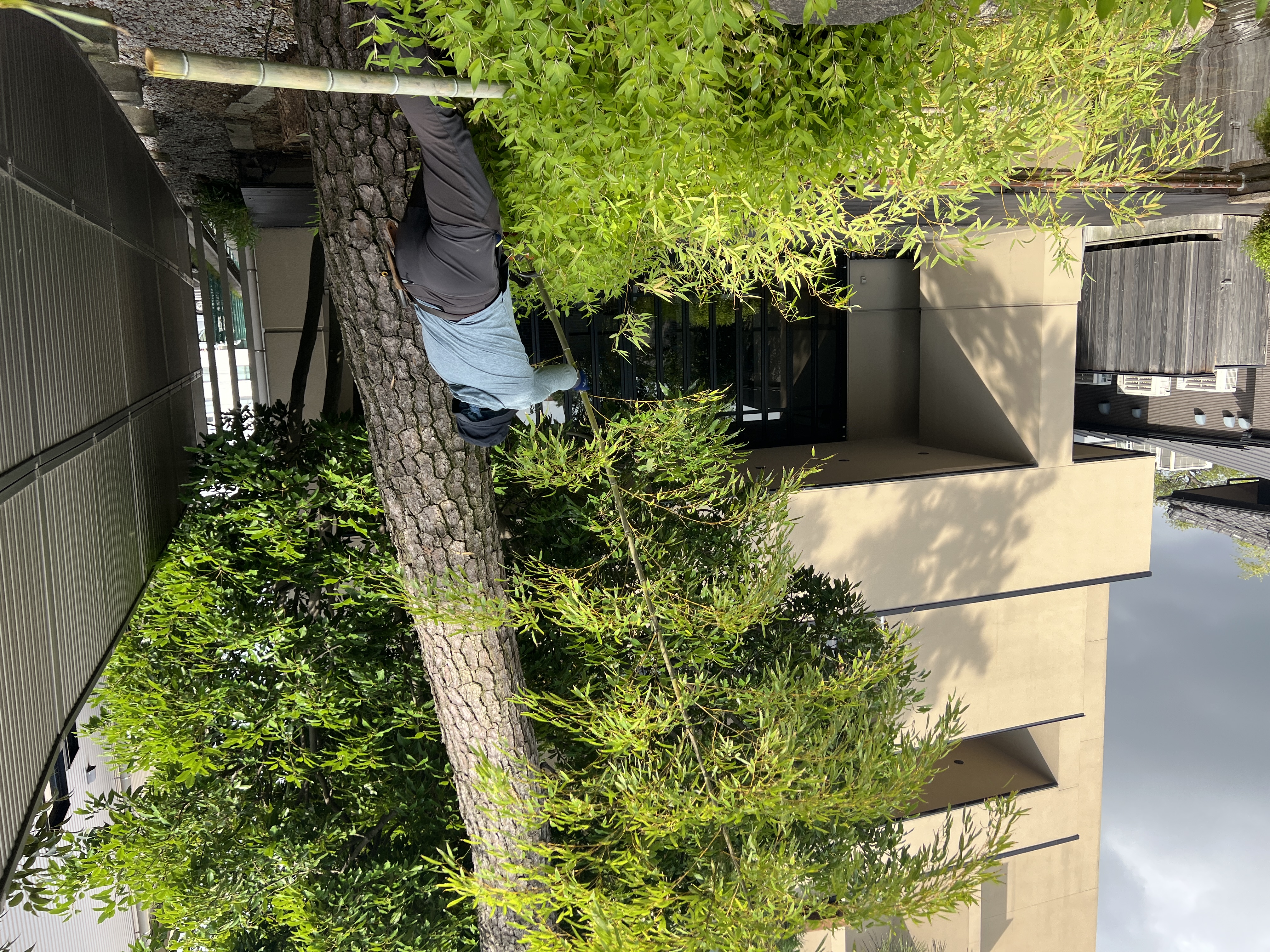
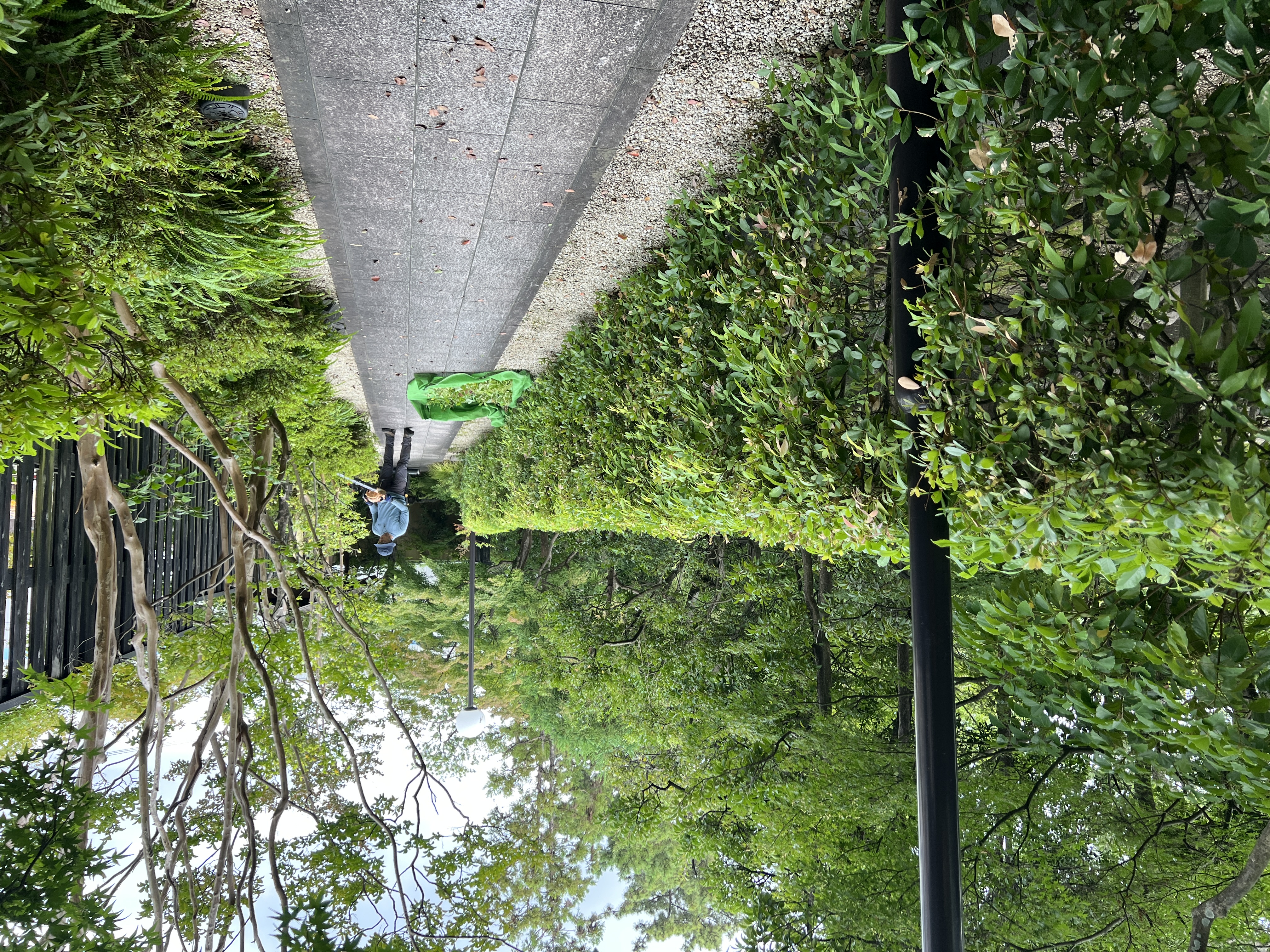
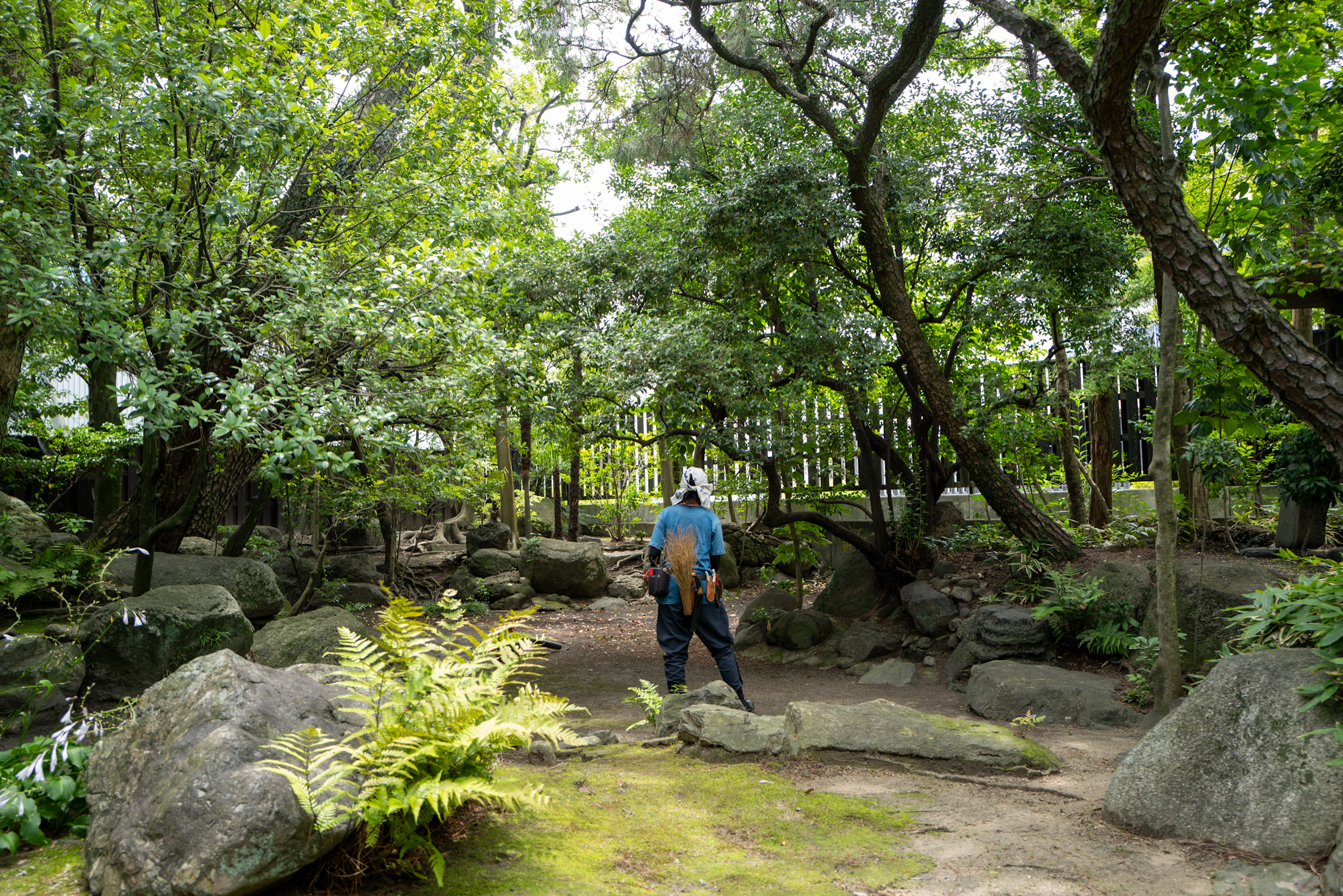
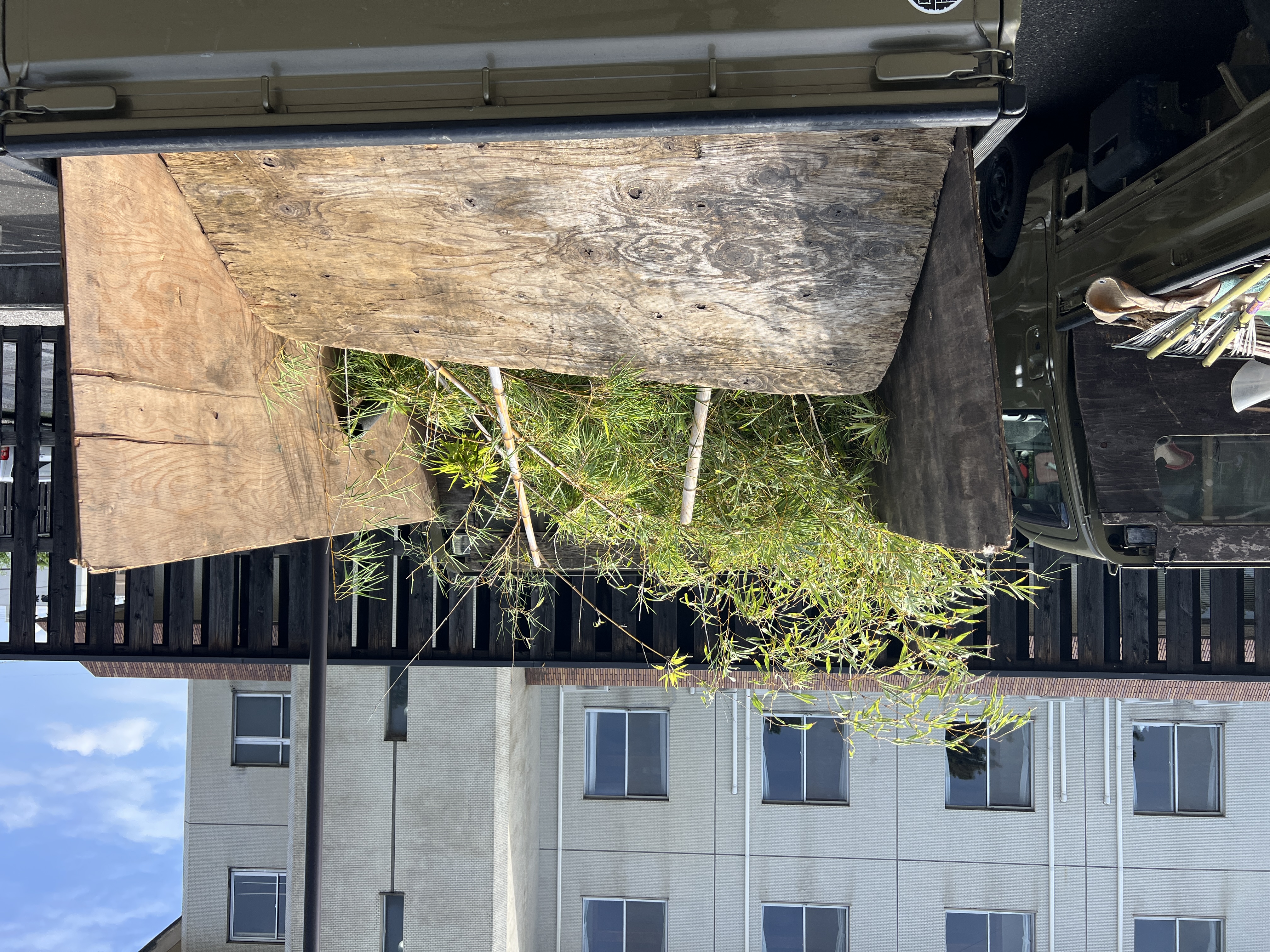
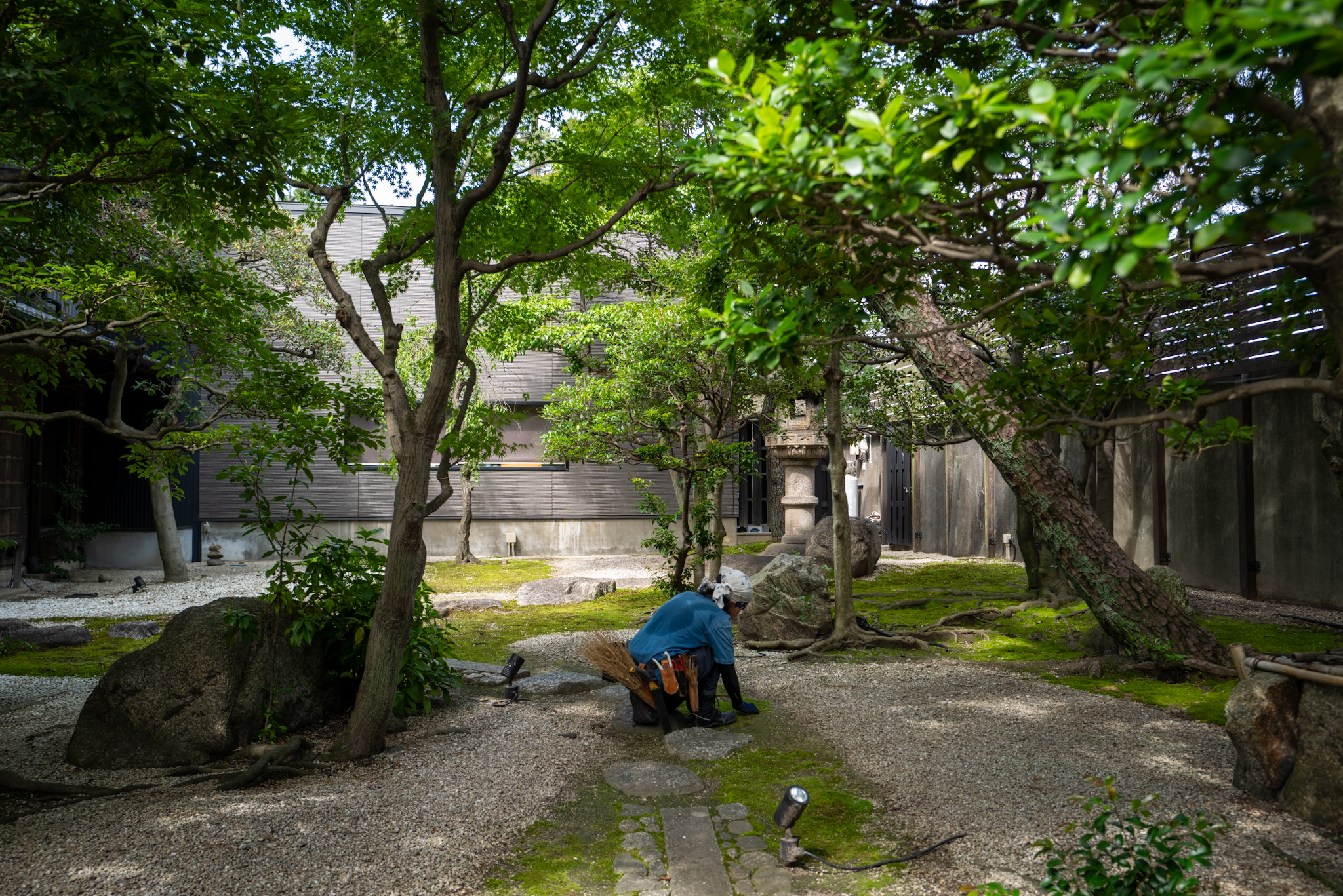
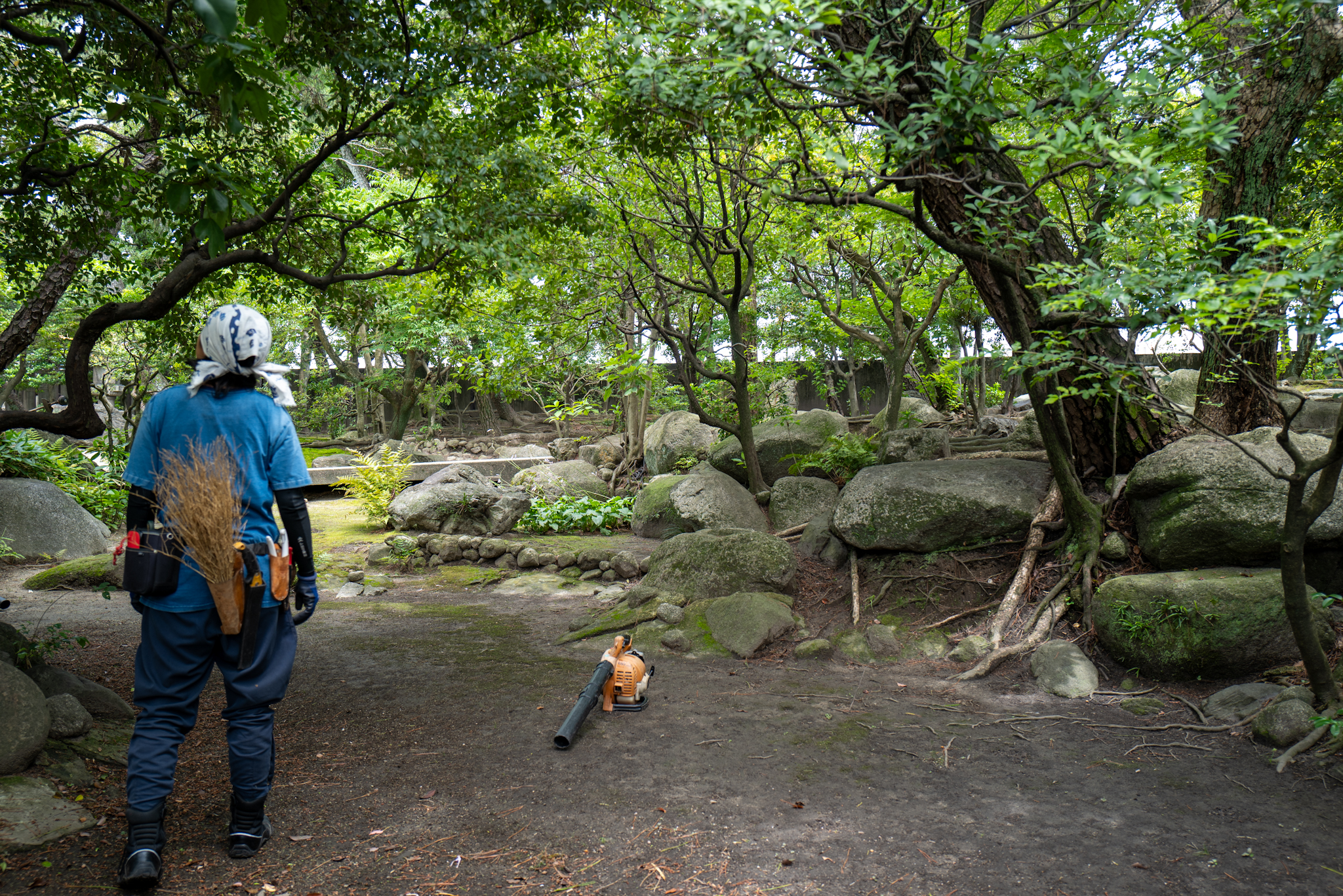
Our work that day was ordinary: cutting out old bamboo, weeding the moss, clearing fallen leaves, applying treatment against pests. What was not ordinary was a question the garden asked us.
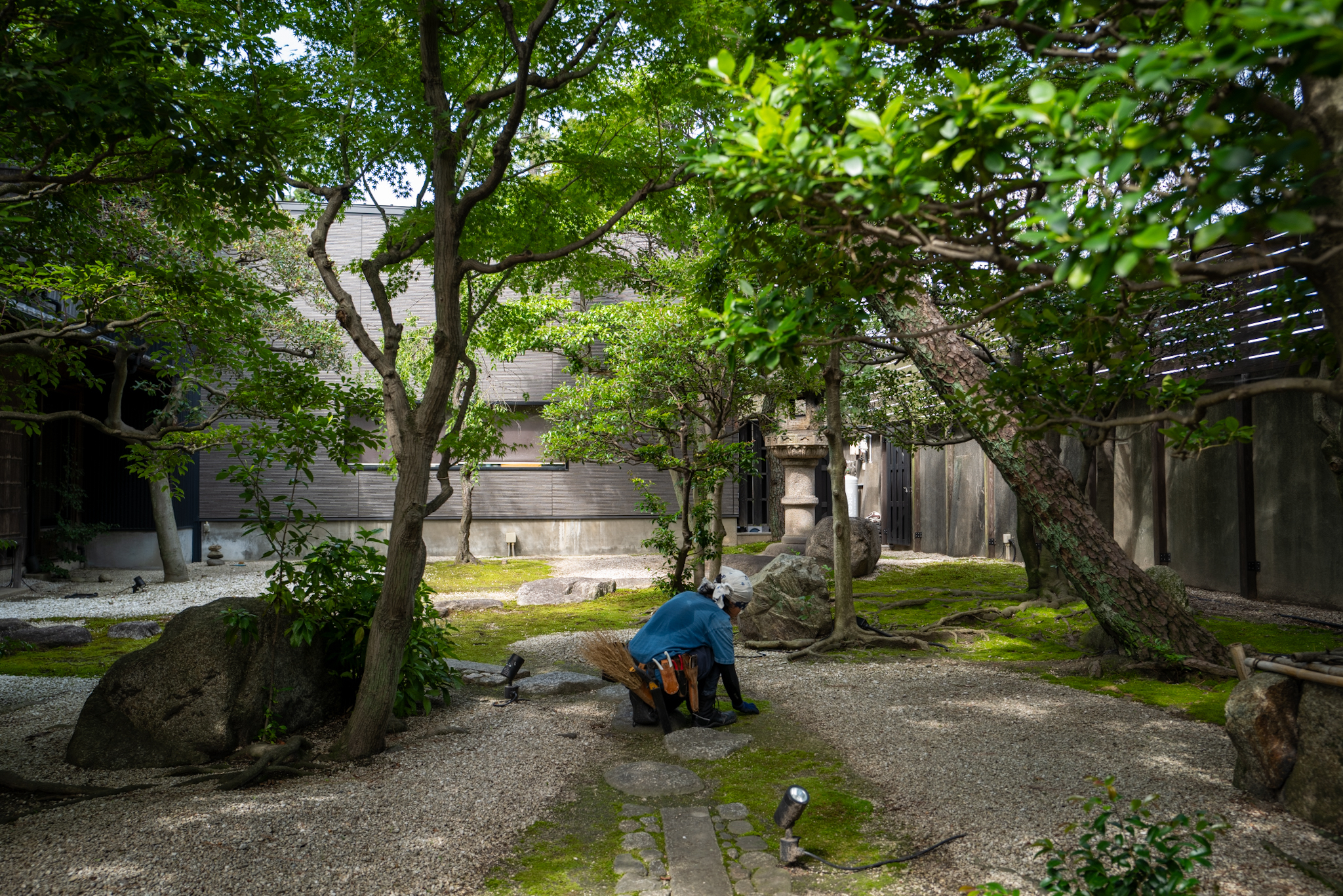
Among the moss there is a hollow, rimmed with stones, shaped like a pond. It has no sign of ever having held water.
This is a kare-ike, a dry pond.
It is not something separate from karesansui, the dry landscape garden. It is one of its named forms. In the classification used by Mirei Shigemori and others, karesansui divides into five types: flat garden, artificial hill, dry pond, dry stream and special forms. The dry pond type uses no water and builds the shape of a pond from stone alone. Old Tokushima Castle's Senshukaku garden and Seigan-ji in Shiga Prefecture are cited as examples.
Then the caretaker told us something that changed how I saw it.
During the storms of June 2026, this dry pond filled with a considerable volume of water, and in less than a day it had all soaked away.
I checked the record. At the Yokkaichi observation station, 2 June brought 46.0mm of rain, and 3 June brought 154.0mm. Nearly 200mm across two days, with a peak hourly intensity of 26.5mm sustained for several hours before noon on the 3rd. (Japan Meteorological Agency past weather data)
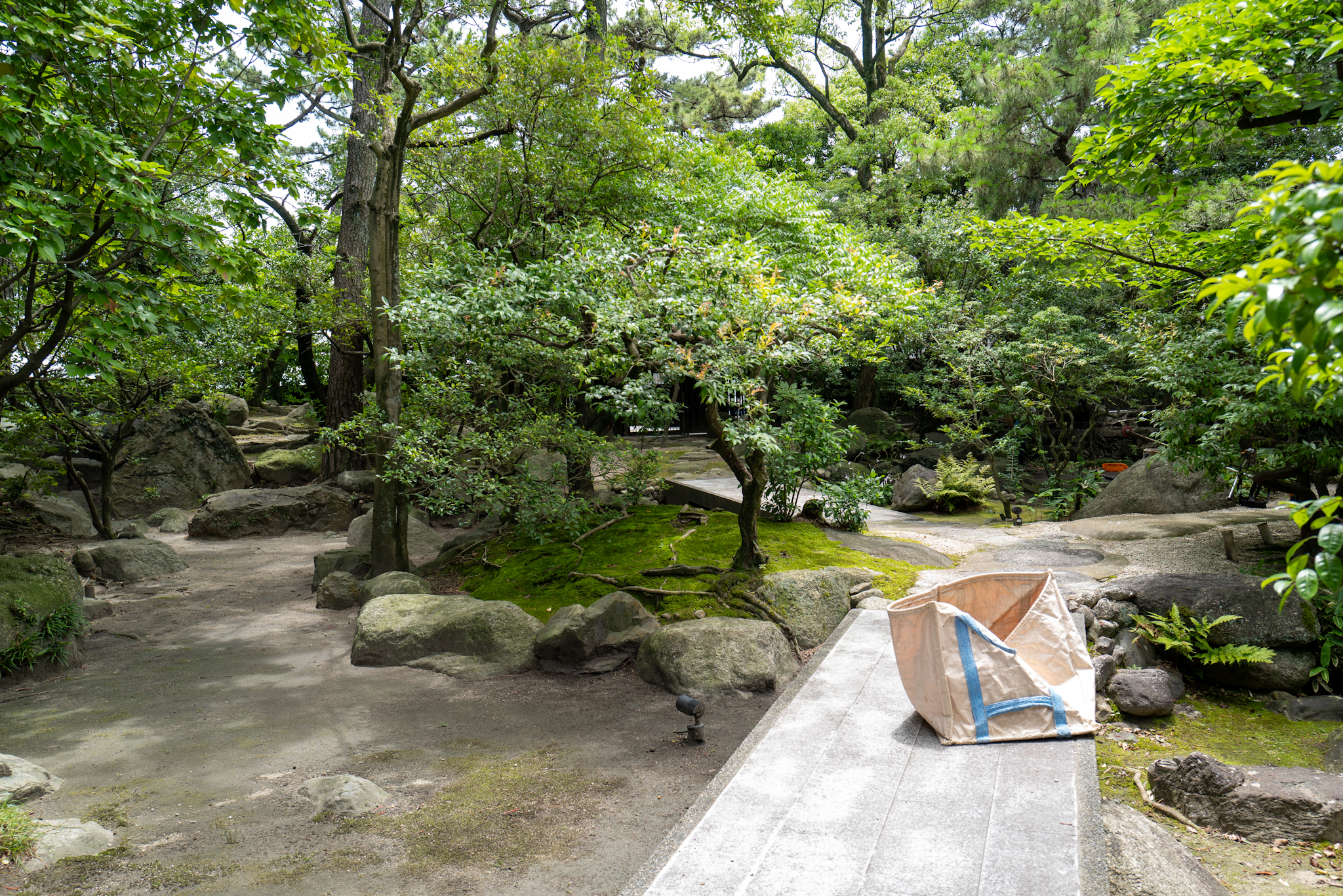
That volume, arriving that fast, drained out of the hollow in roughly a day.
What follows is speculation, and I want to mark it as such before I write it.
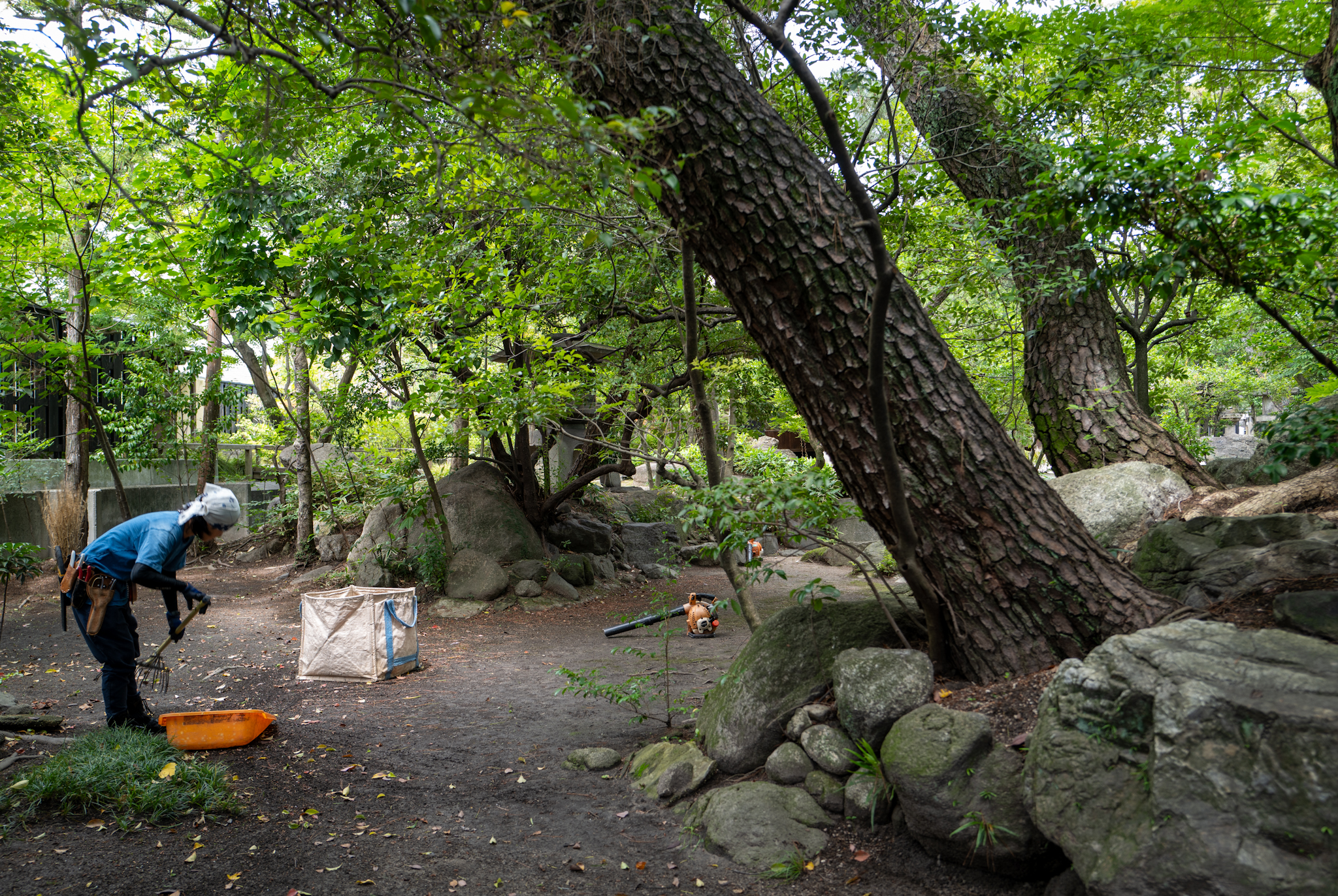
A rain garden, in the vocabulary of modern green infrastructure, is a designed depression that stays dry most of the time, holds water briefly when it rains, and lets it infiltrate slowly into the ground. Functionally, what this hollow did fits that definition.
And there is a loop here worth knowing. The Japanese practice of rain gardens was itself translated back into the modern city from the karesansui garden, by the river engineer Yukihiro Shimatani of Kyushu University and the landscape scholar Yukihiro Morimoto of Kyoto University.
But I have found no direct evidence that the original designer intended drainage or infiltration.
The Sakuteiki, the eleventh century Japanese treatise on garden making, is specific about ponds meant to hold water. Dig down about one shaku, it says, and line the bottom with hanitsuchi, a water resistant clay.
So the gardeners of that era waterproofed the ponds they wanted to keep full.
Which means the absence of waterproofing here is evidence of a decision not to hold water. It is not, by itself, evidence of a design intended to infiltrate.
Still, knowing the difference, there is something I want to write down as someone who has been allowed to touch this garden.
A gardener who left no name, and wrote down no intent, made one decision: not to hold the water.
That decision, in a form he could not have imagined, met the record rainfall of a Reiwa era storm and quietly did its work, more than a century later.
We cut bamboo here and protect the moss. That is one more act in carrying his decision forward to the next hundred years.
The land itself carries a similar story.
Onoe-cho was reclaimed land, completed in June 1909. The following year, the groundbreaking for Yokkaichi's new port was held on it. This garden stands on ground that had come out of the sea only shortly before the garden was made.
The man who built the foundation of that port was Sanemon Inaba. From around 1874 he put his own money into the breakwater works, and after fifteen years of hardship he completed them. His personal funds were nearly gone, and he petitioned the government directly. (Yokkaichi no Ayumi, published by the Yokkaichi History Compilation Committee, p142 and p168 to 170)
To invest a hundred thousand in this port now, he is recorded as saying, is to bring a million to Yokkaichi one day.
Neither man lived to see what his decision would do.
That is the time frame a garden runs on.


