


Ukokkei, a Japanese National Treasure Chicken — We Took Ours to an Official Poultry Review

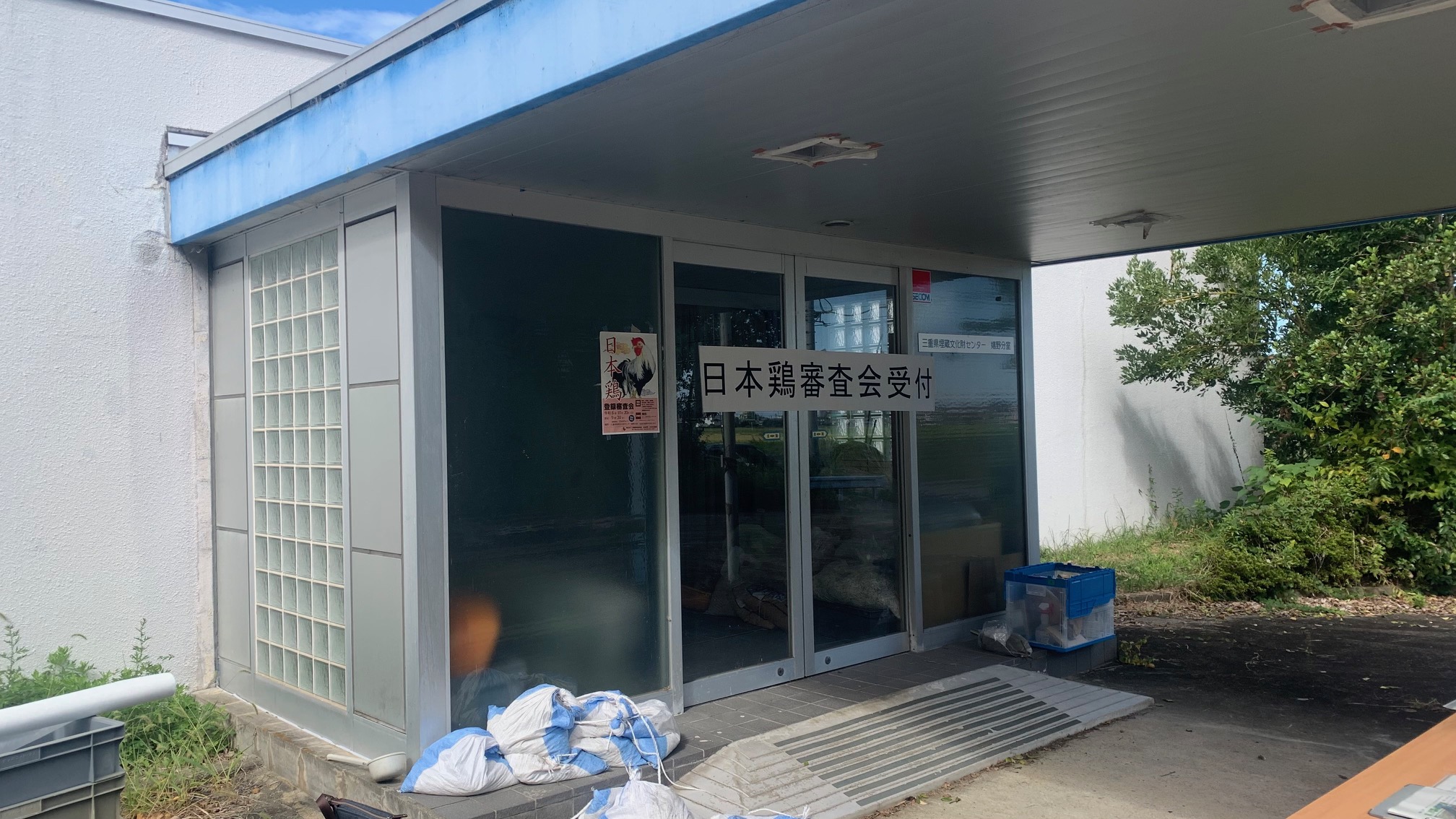
On Sunday, October 20, 2024, we went to a Japan Native Chicken registration review held in Matsusaka, Mie Prefecture.
It's a significant event aimed at preserving Japan's traditional chicken breeds and improving their quality.
Enthusiasts and specialists came from all over the region to evaluate the traits and quality of various breeds, and to register the standout individuals.
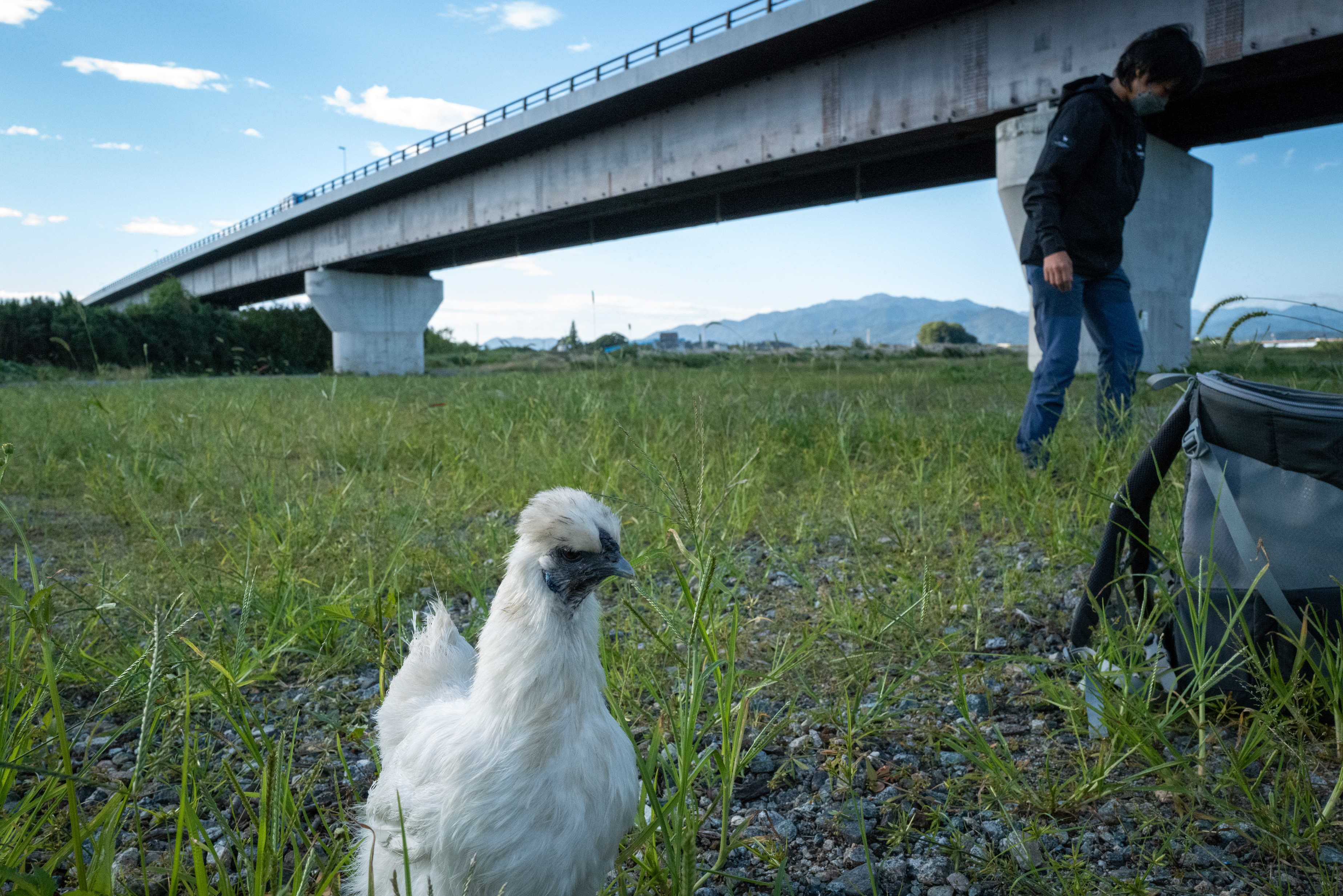
We keep six ukokkei at home, and we entered one of them in the review.
There was a riverbed near the review site, so that morning we let her eat some grasshoppers there first, just to build up a little stamina before the big day.
The breeds eligible for this review are limited to a specific handful: Jidori (Japanese native chicken), Shokoku, Ukokkei, Kawachiyakko, and Shamo (Japanese game fowl).
To qualify, a bird has to be at least six months old and raised within Mie Prefecture.
A Newcastle disease vaccination is also mandatory.
Finding a vet to give that vaccine turned out to be its own small adventure.
Plenty of animal hospitals handle bulk vaccinations for people keeping large numbers of birds, but arranging one for a single chicken proved surprisingly difficult.
After a fair amount of searching, we finally found a vet in Yokkaichi willing to take care of it.
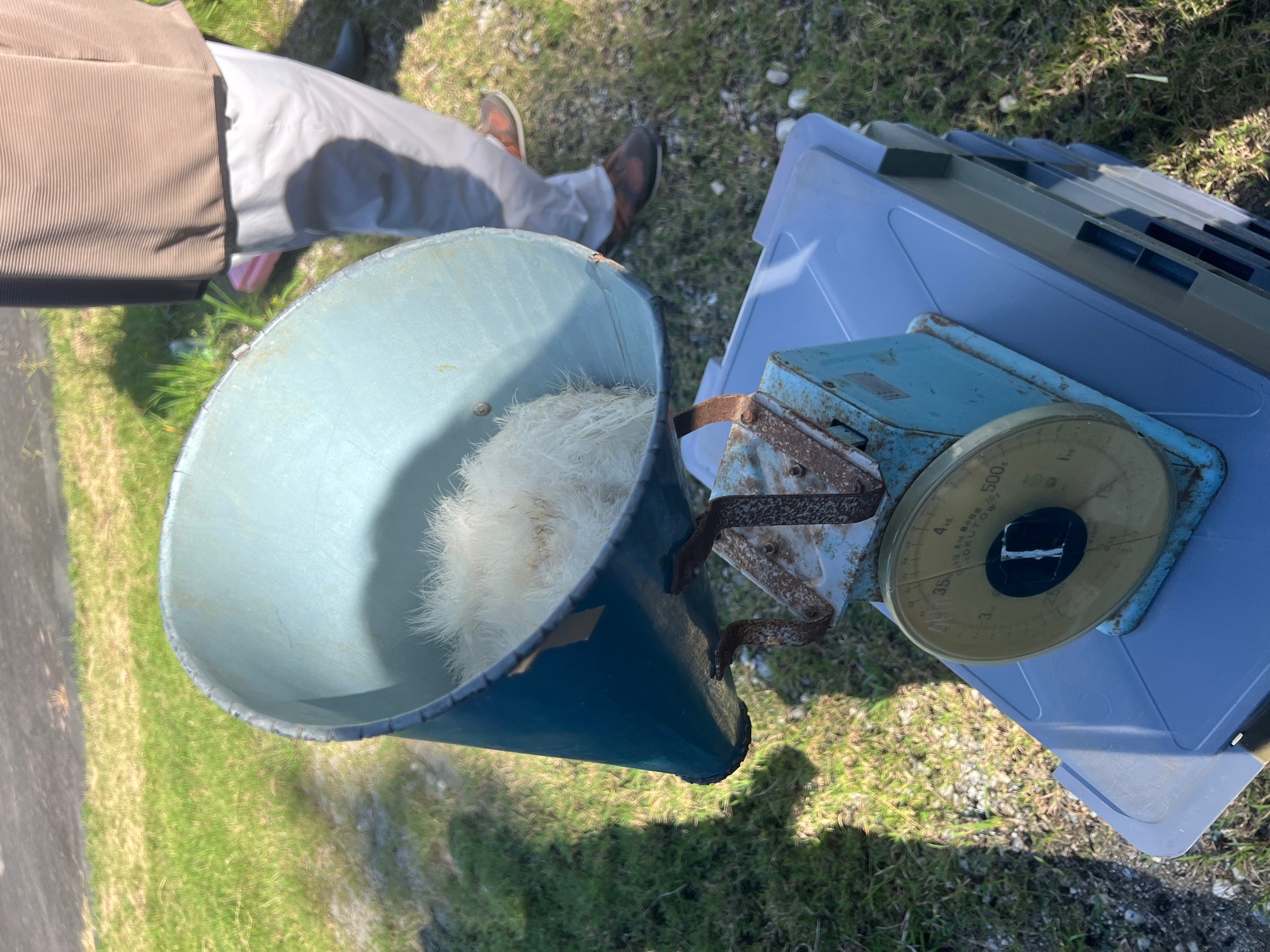
Before the judging began, there was a weigh-in.
She's on the slender side around the neck, so we half expected her to struggle during it, but she stayed calm the whole time.
She came in at 1,420 grams, which apparently puts her on the larger side.
We like to think all those earthworms and insects she's picked up wandering the mountainside with us have paid off — her overall build looked solid.
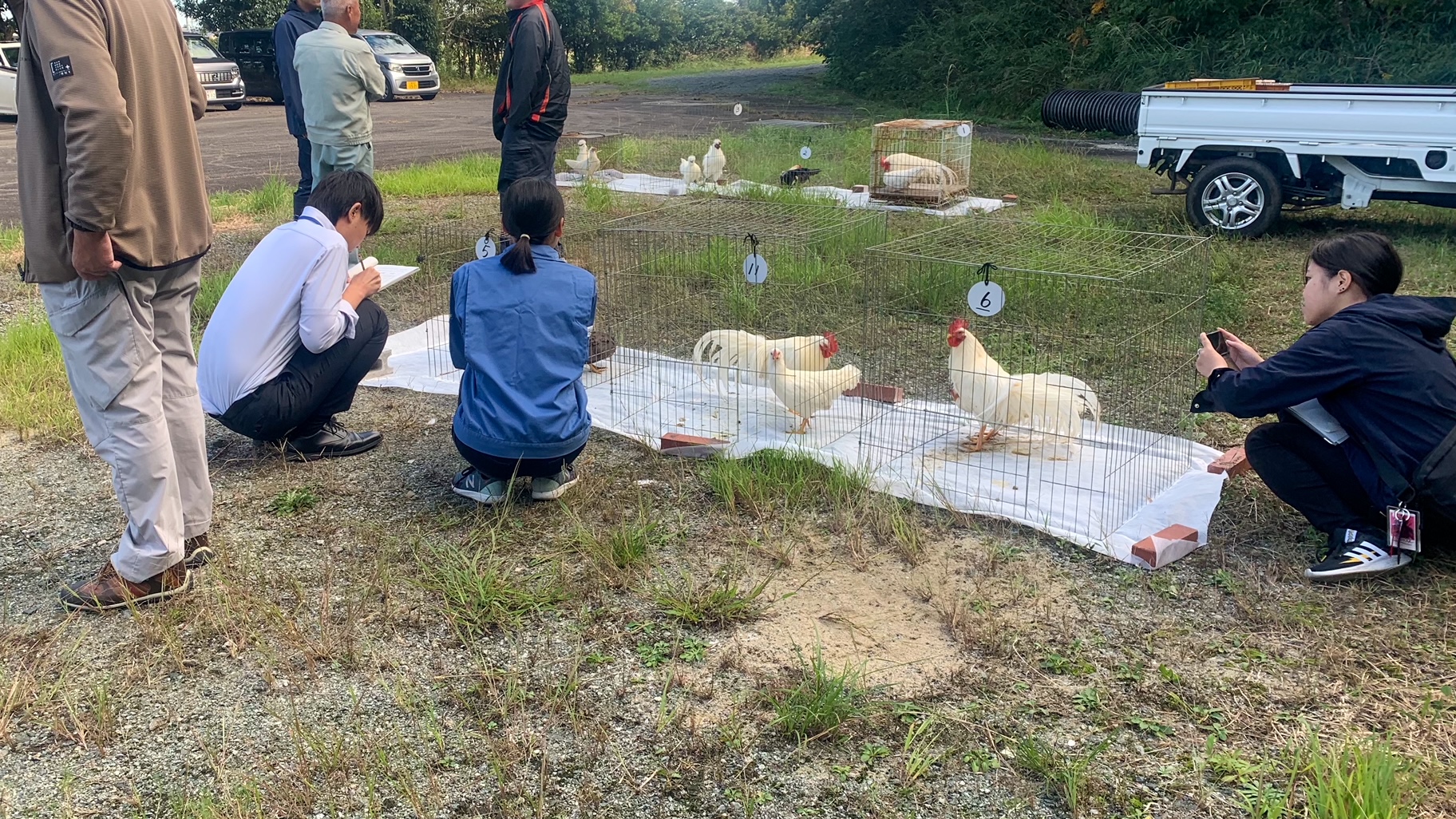
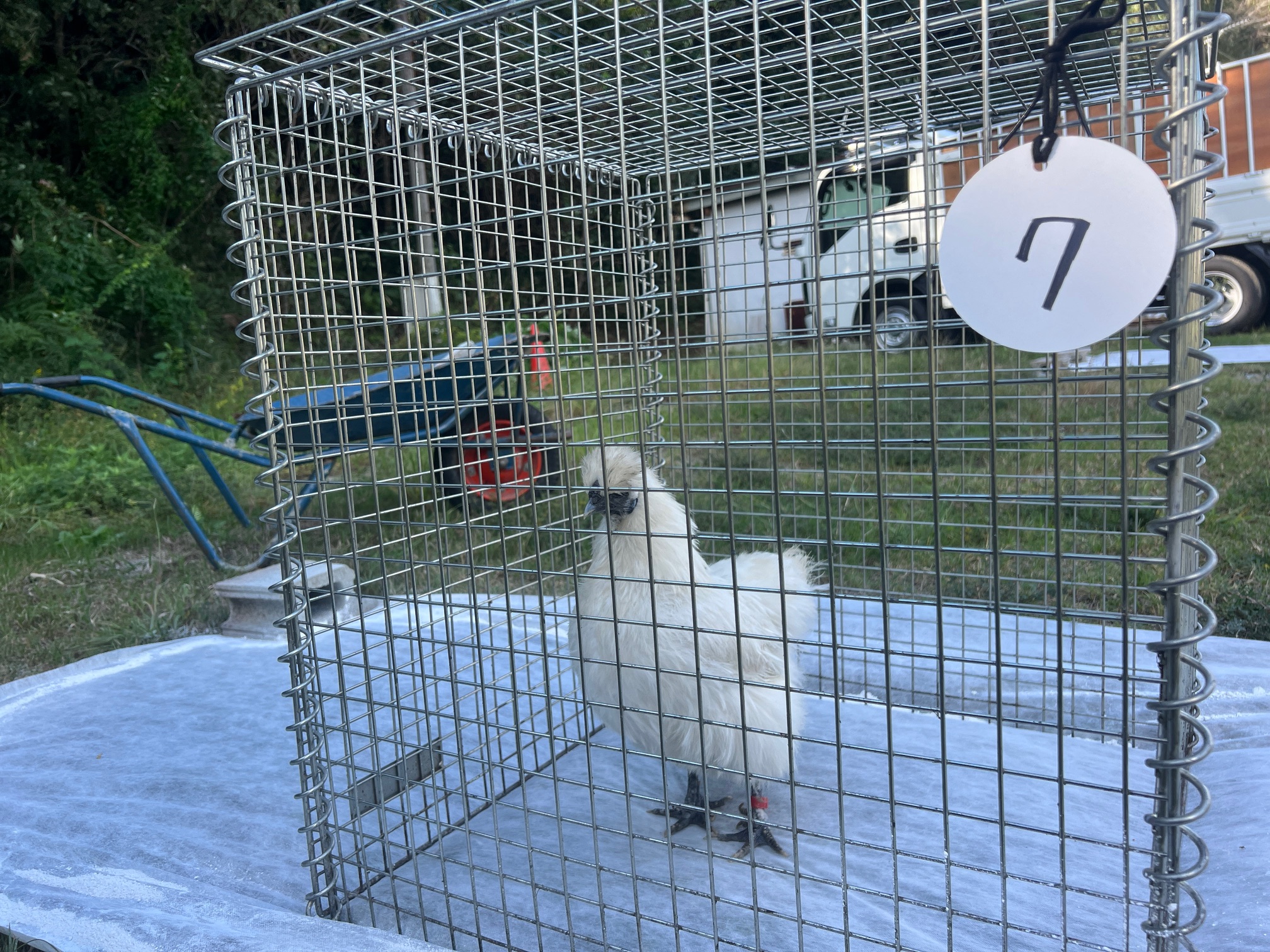
She went in as entry number seven, our lucky number, representing our household as Uko-chan.
And the result was...
Unfortunately, Uko-chan didn't meet the standard and wasn't approved this time.
We're told a lot of it comes down to genetics passed down in the line, but ideally the judges look for plush, well-rounded plumage, including feathering that extends down the legs.
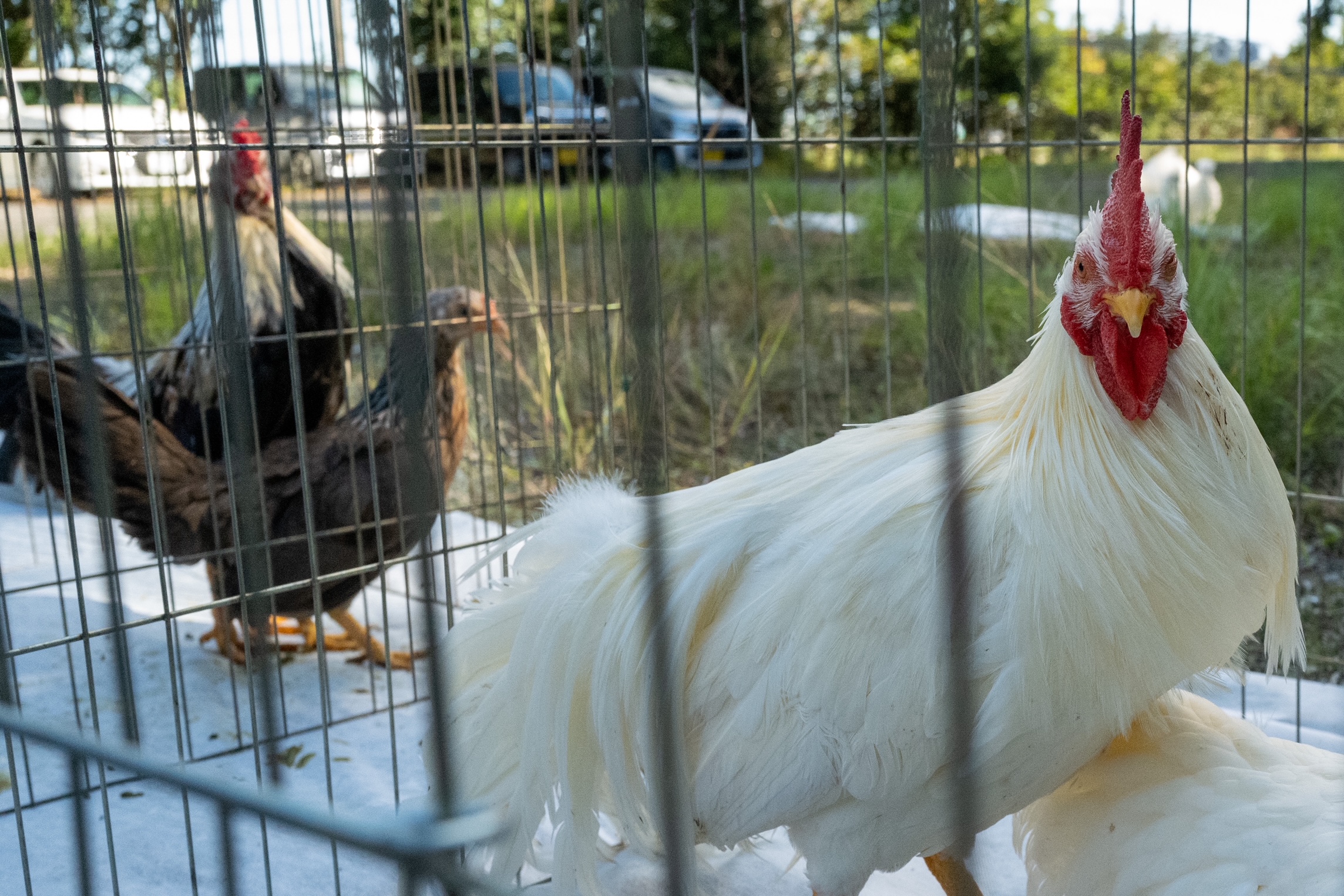
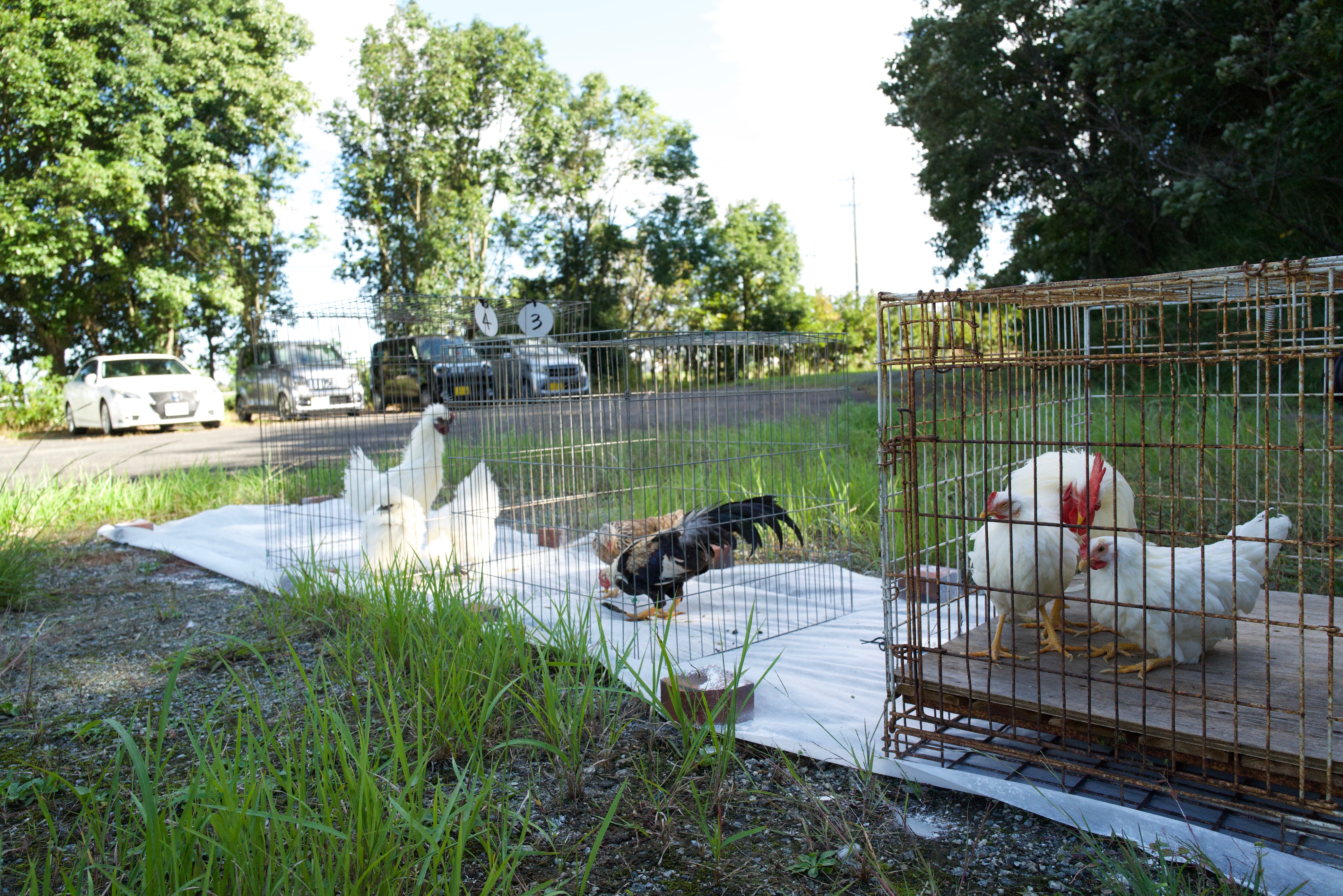
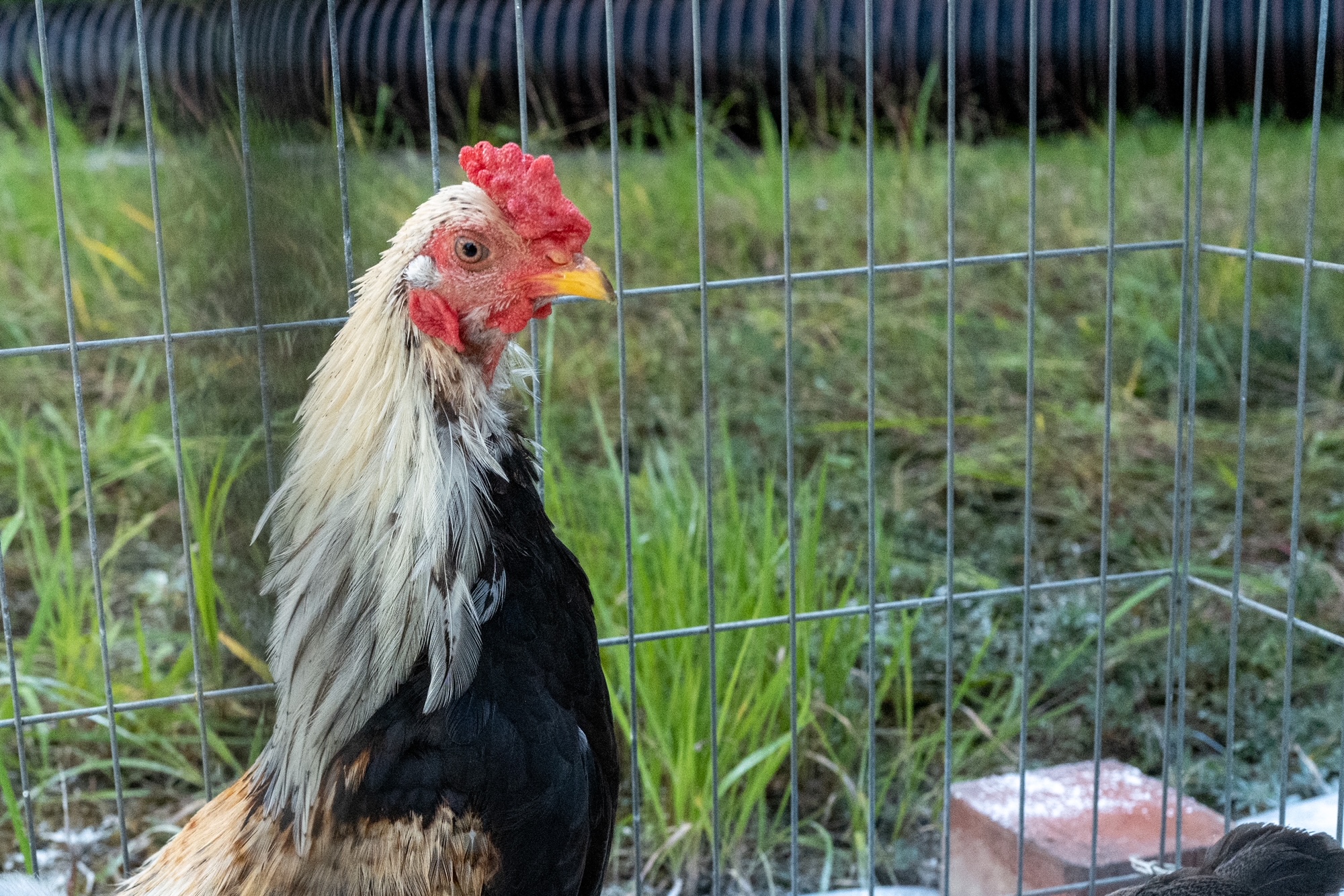
The photos below are of other people's birds entered in the same review.
Every single one of them was beautiful.
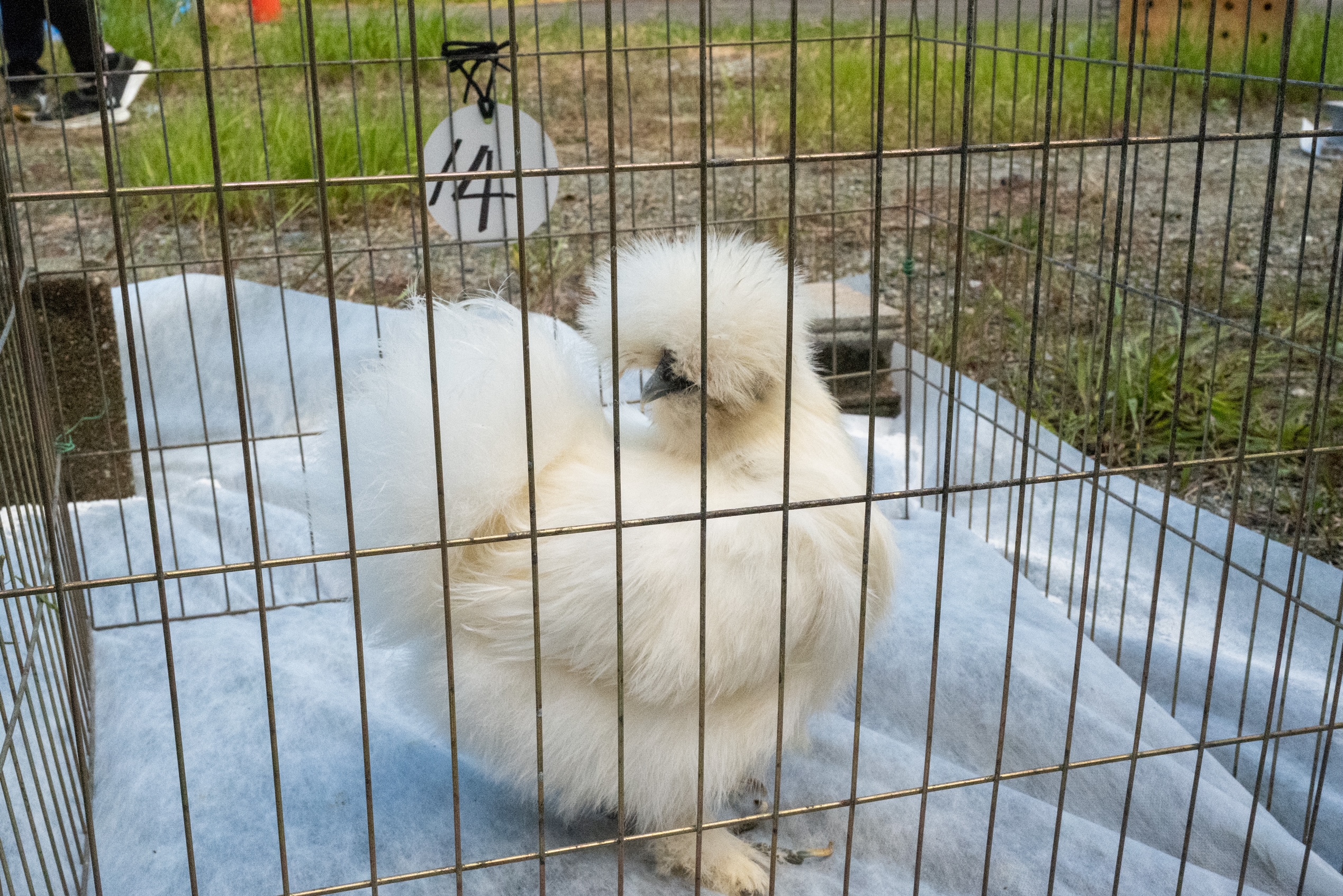
Entry number 14, an ukokkei, had absolutely stunning fluffiness.
When we asked one of the judges about it, they said its feather pattern was practically a textbook example of what they look for.
The fluff around the tail was ridiculously cute too.

Among Japan's traditional poultry breeds, ukokkei stands out in a category of its own.
Its distinctive appearance and high nutritional value led to it being designated a national natural monument on July 21, 1942.
That designation was an important step in formally recognizing the breed's cultural value and encouraging its protection and continued breeding.
Ukokkei's origins trace back to China, and the breed is believed to have arrived in Japan in the early 1600s, during the early Edo period.
In Japanese society at the time, especially among the wealthier classes, ukokkei were a prized possession.
Their meat and eggs were considered beneficial for health and beauty, and were treated as a luxury ingredient.
Even today, thanks to their high nutritional value, they're sometimes used in traditional medicinal cooking.
Ukokkei's most striking feature is its appearance.
Its skin, flesh, and even its bones are a dark blackish-purple, a result of an unusually high concentration of melanin pigment.
Its feathers are different from an ordinary chicken's too — soft like silk, with a beautiful sheen, which is why the breed is sometimes called the "silk-feathered chicken" in Japanese.
One more curious detail: toe count.
Where a typical chicken has four toes, ukokkei usually have five, and occasionally even six.
Since its designation as a natural monument, protection and breeding efforts for ukokkei have been strengthened considerably.
Organizations such as the Mie Prefecture Board of Education regularly hold Japan Native Chicken review events like this one, registering outstanding individuals as they're identified.
Through this ongoing work, the breed's lineage is being maintained and its distinctive traits preserved.
Ukokkei holds an important place in Japan's food culture and agriculture, owing to its unusual appearance and nutritional value.
Its status as a natural monument is a meaningful policy for passing this valuable breed of poultry down to future generations.
We hope continued protection and breeding will keep ukokkei's value recognized as part of Japan's biodiversity and cultural heritage.
Our entry didn't pass this time, but getting to see so many beautiful birds and talk with their owners made the whole day well worth it.
We keep chickens alongside our tree care and satoyama work in Mie Prefecture, Japan, and we're always happy to talk poultry as much as pruning. If you'd like to know more about what we do, get in touch.


