A Garden Health Check: What Soil Tells You About a Garden's Future — Soil Improvement at Onoue Villa

Every garden has two lives: the visible one, above ground, and the invisible one beneath it. The above-ground life is what visitors see — trees, shrubs, lawn, paths, the general composition. The below-ground life is what determines whether the above-ground life is sustainable.
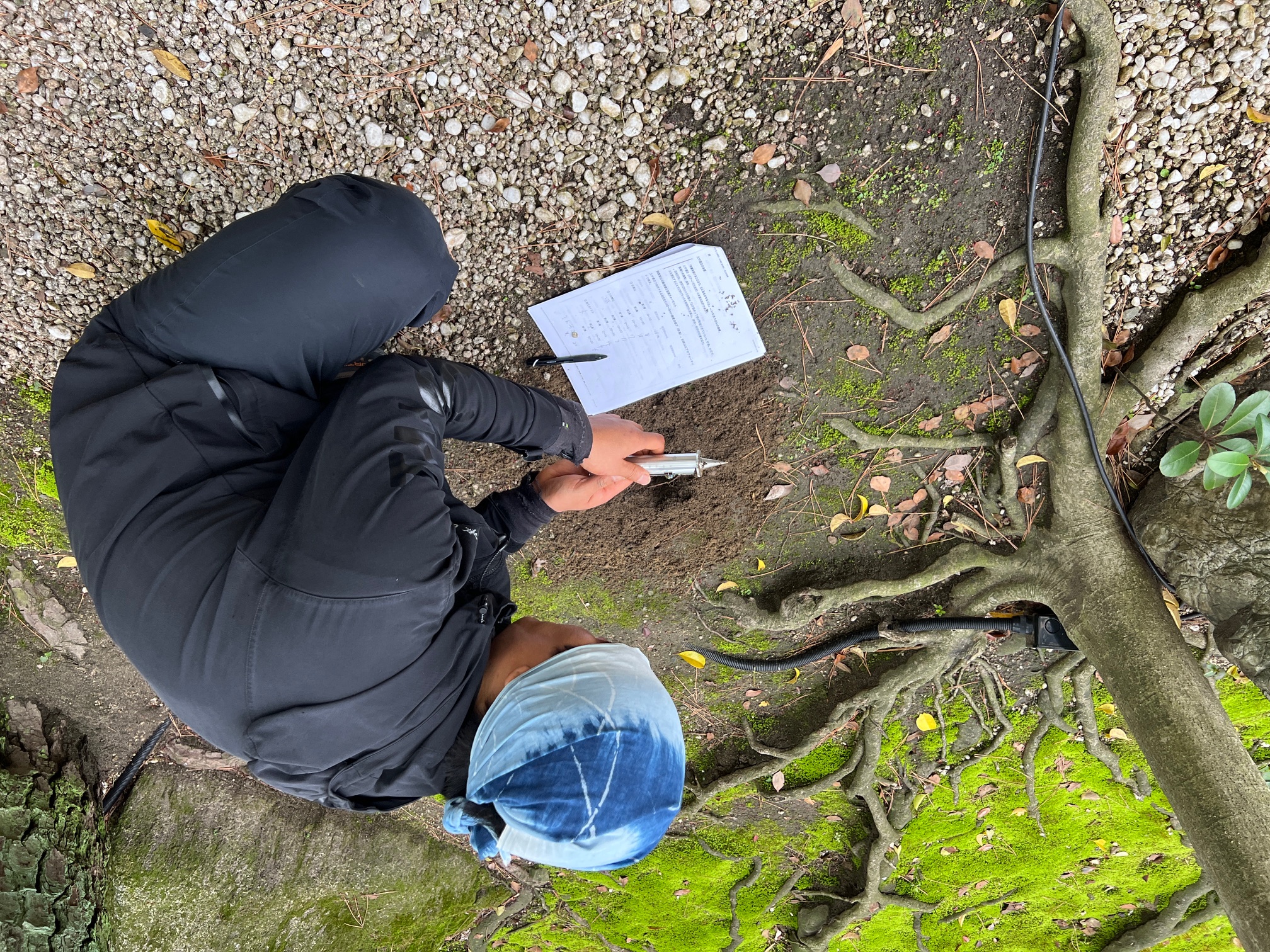
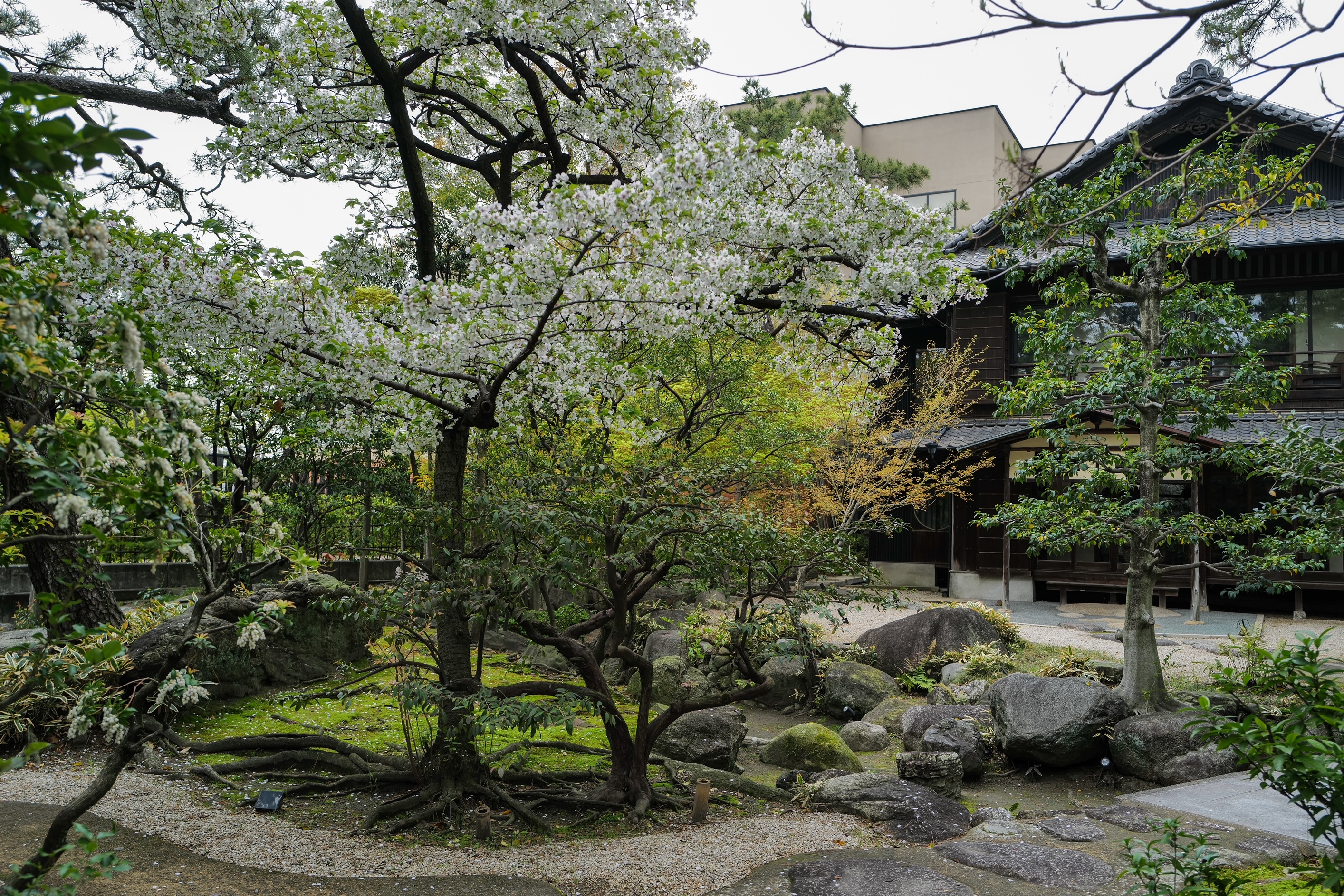
At Onoue Villa in Yokkaichi, we conducted a garden health check that began with the soil. Not with the trees, not with the composition, but with what was beneath everything. What we found shaped the work we recommended and the work we did.
What a Soil Assessment Reveals
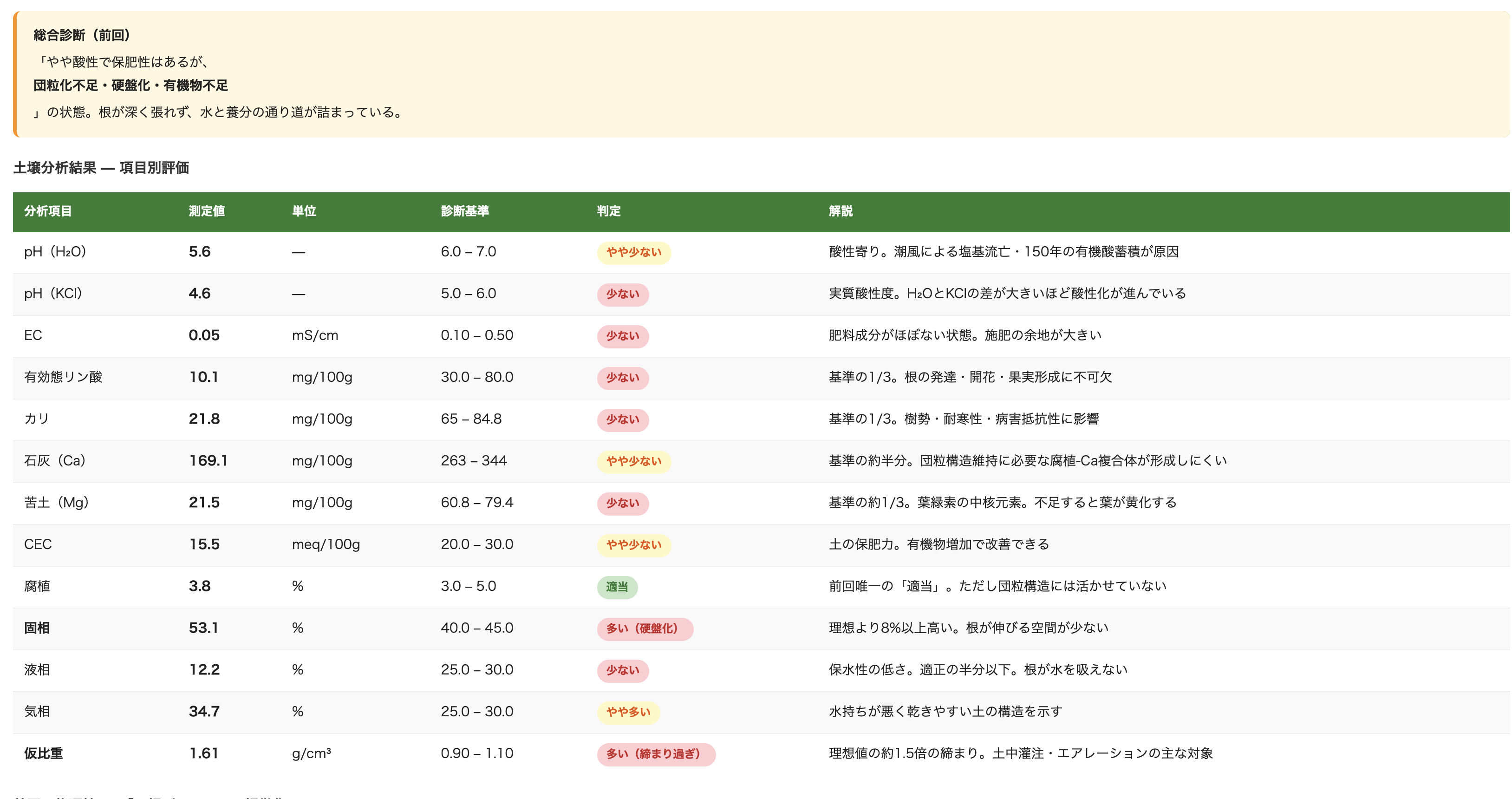
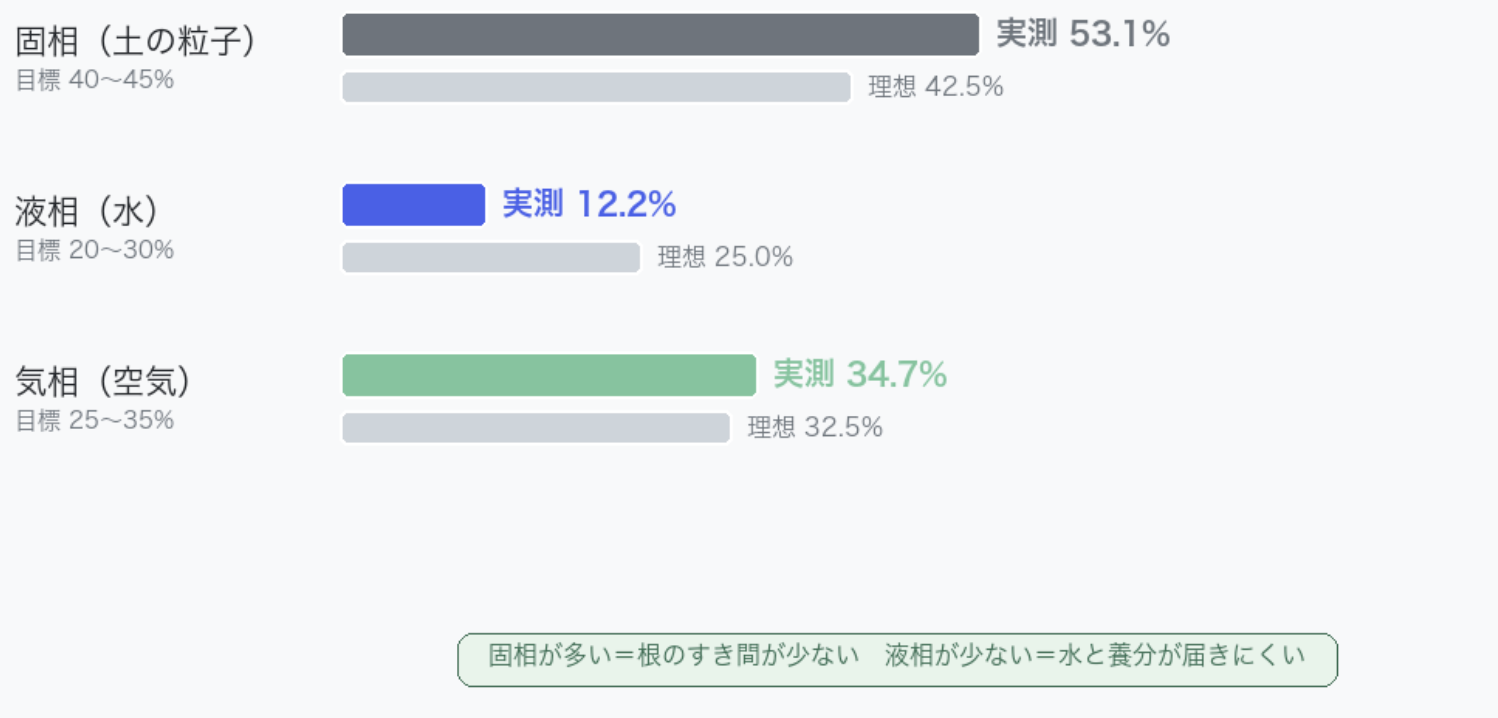
Soil assessment in a garden context covers several basic factors: compaction, drainage, organic matter content, and the biological activity that soil organic matter supports. These are not separate concerns — they interact. Compacted soil drains poorly. Poorly draining soil loses oxygen, which kills soil biology. Dead soil biology means nutrient cycling stops and plants must be fed externally or they gradually weaken.
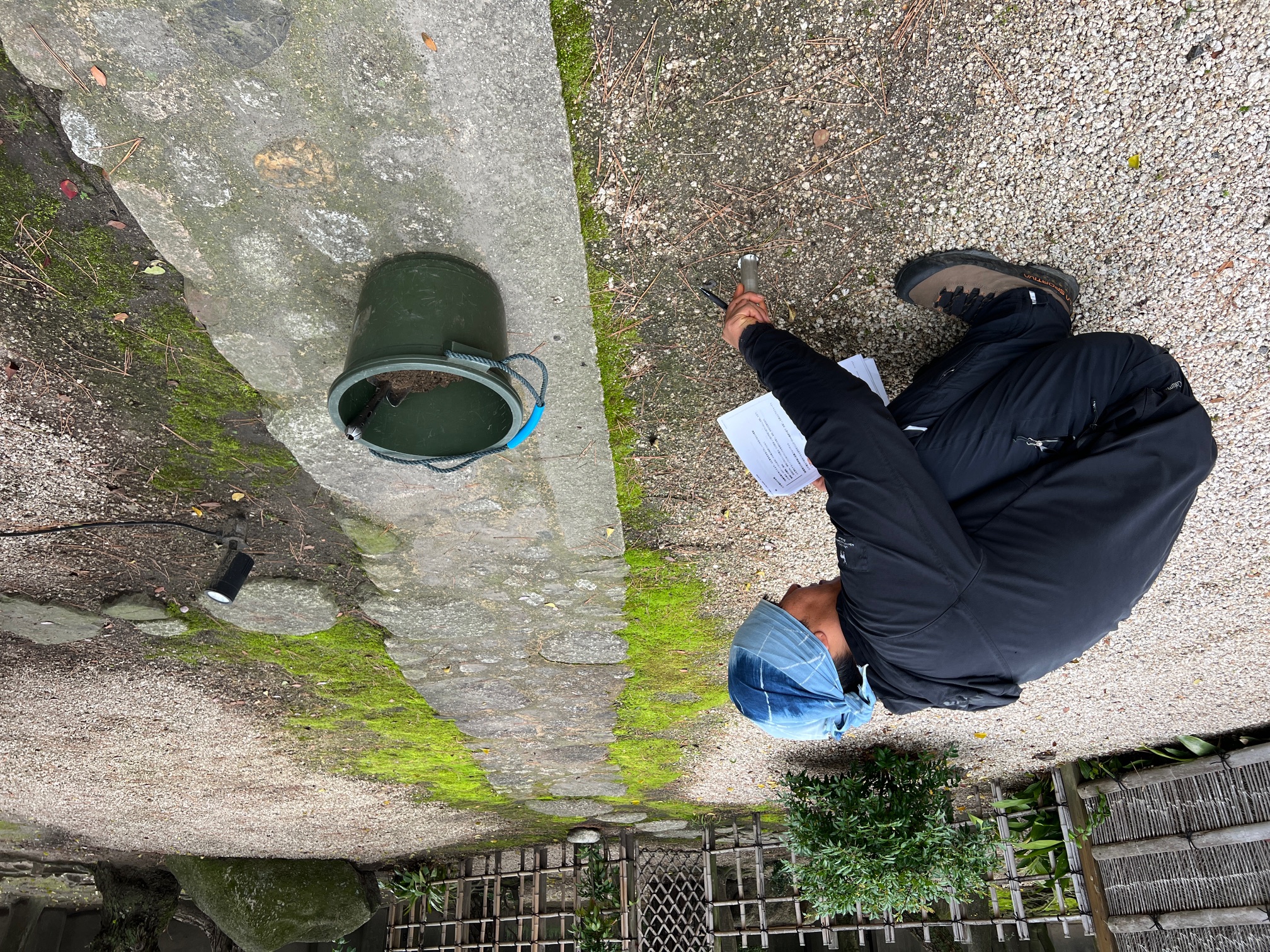
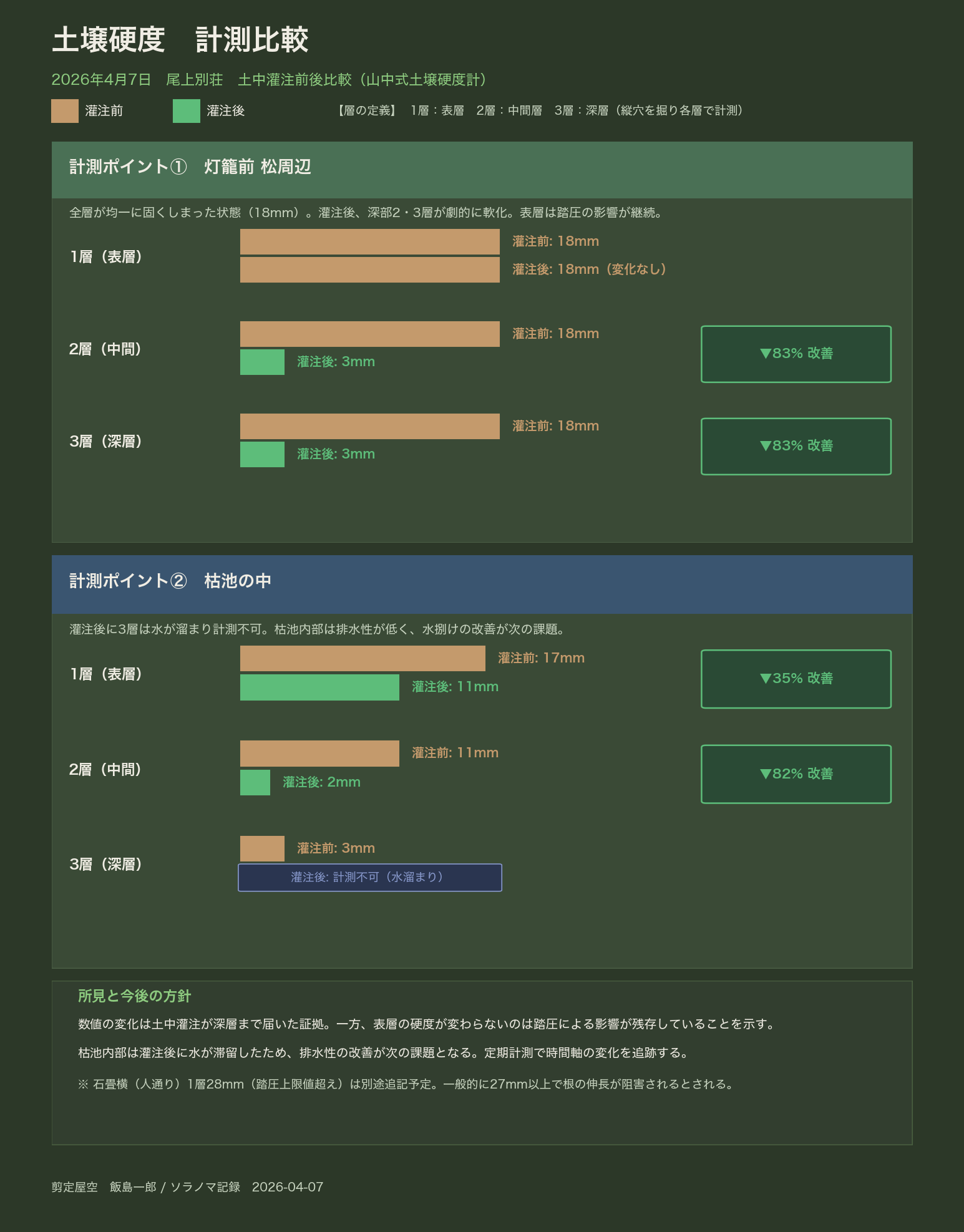
At Onoue Villa, the soil in several areas showed compaction levels that restricted root growth. The cause was typical of established gardens with regular foot traffic: years of use had compressed the upper soil layers without corresponding organic matter addition to maintain structure. This is normal. It is also correctable.
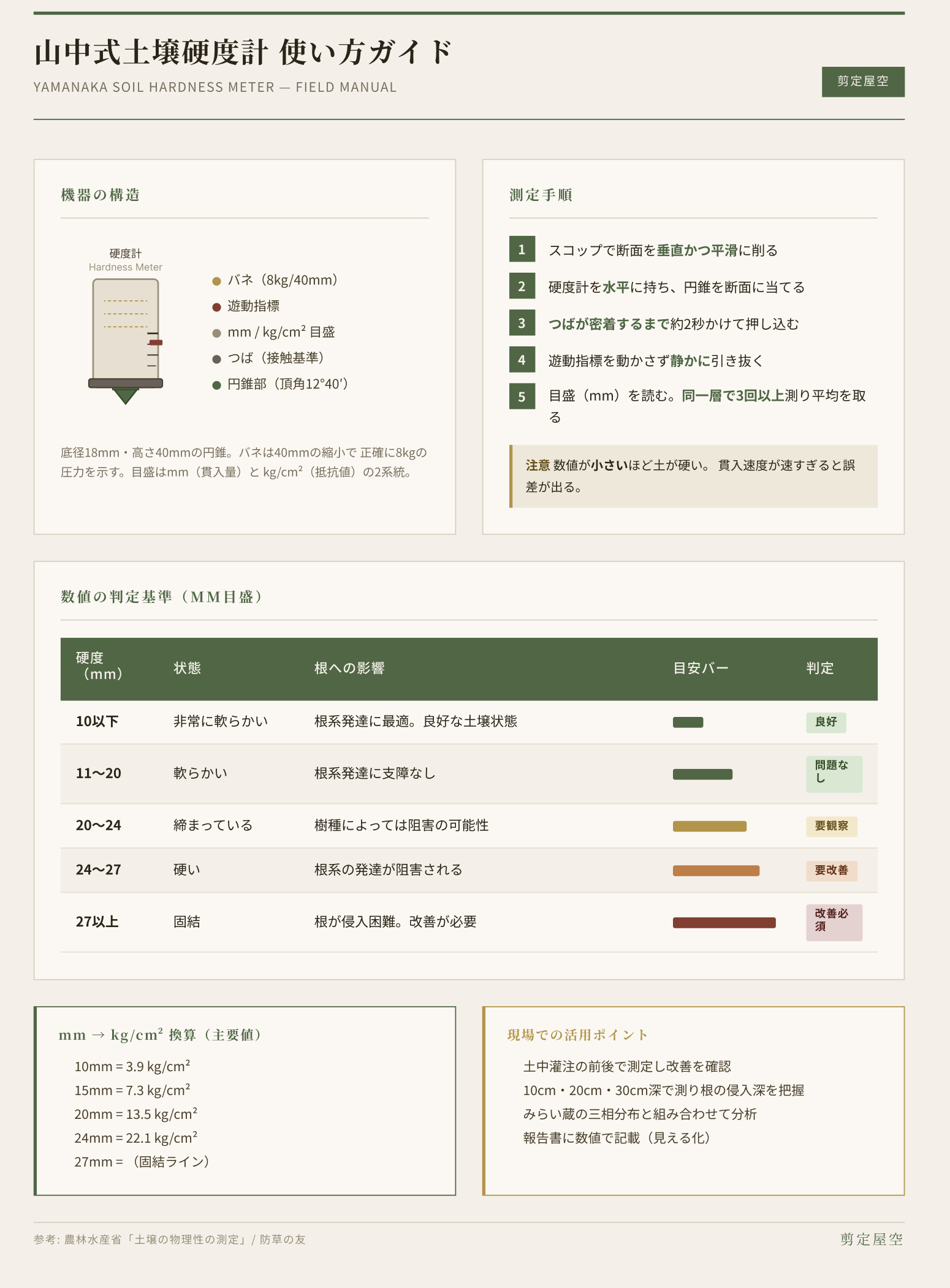
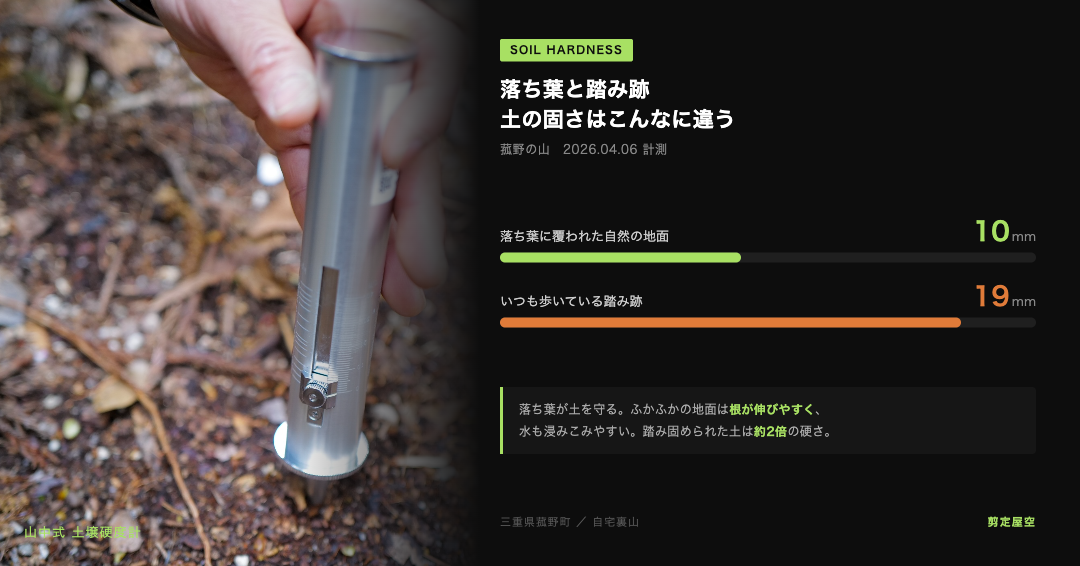
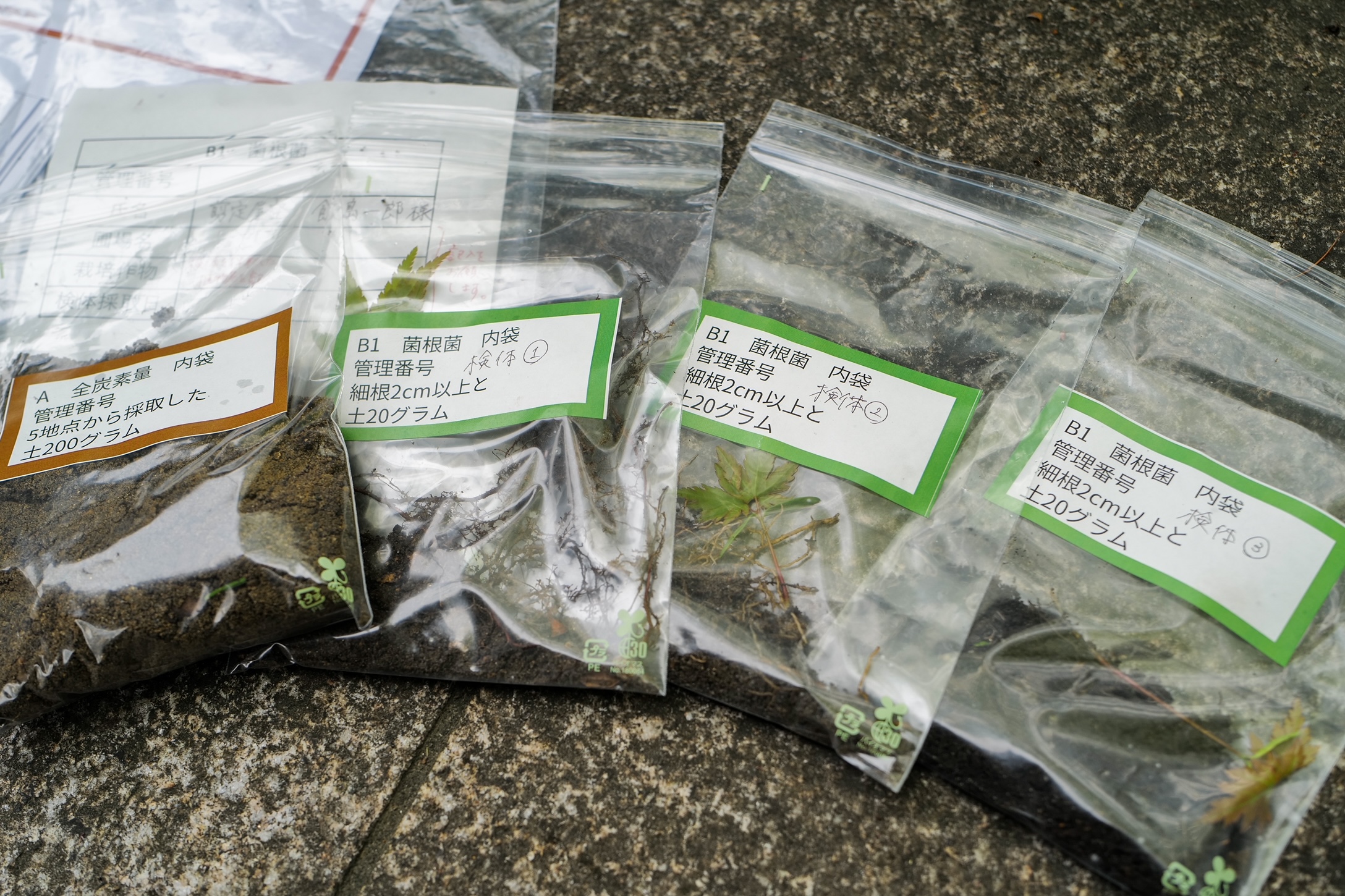
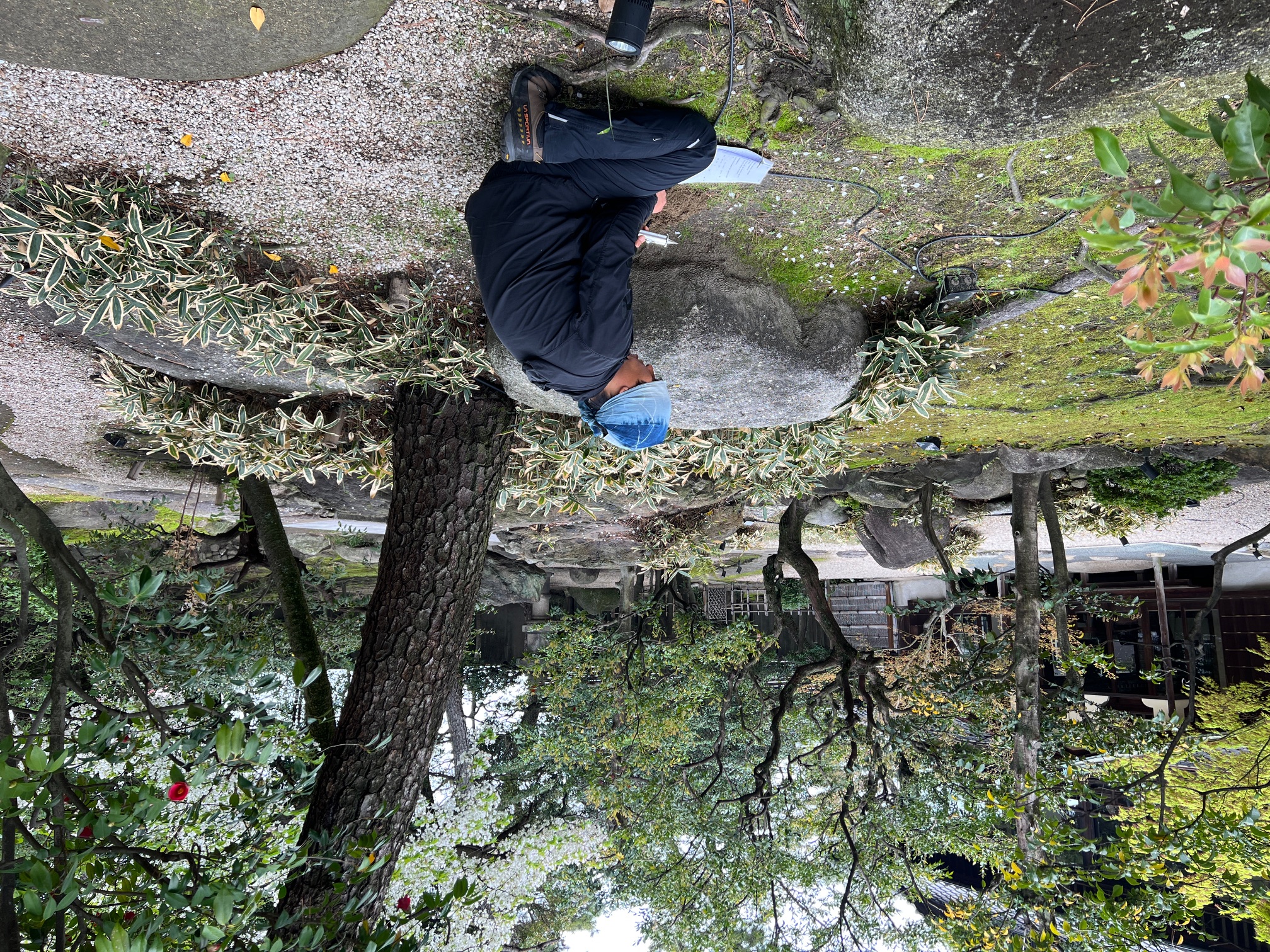
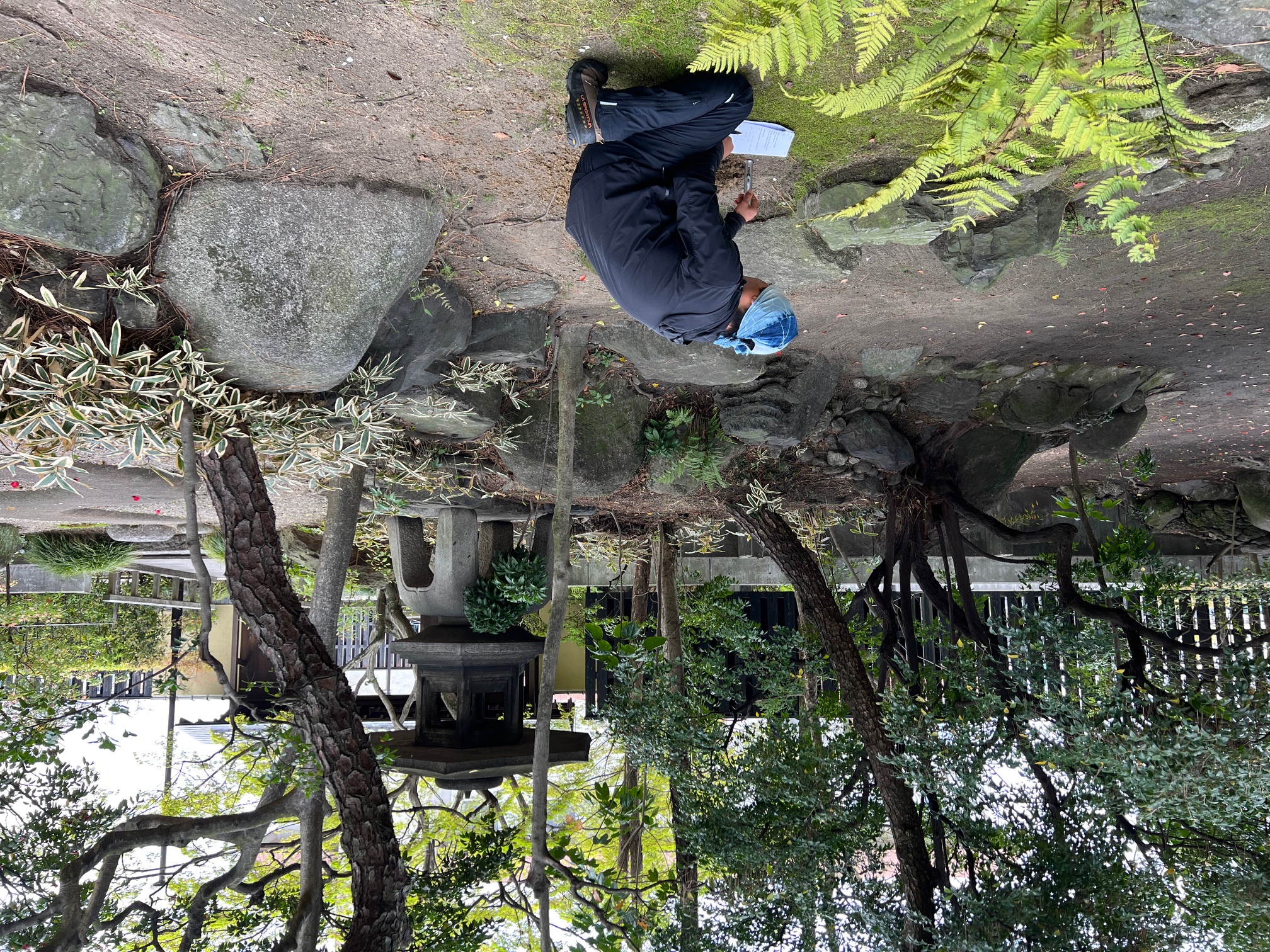
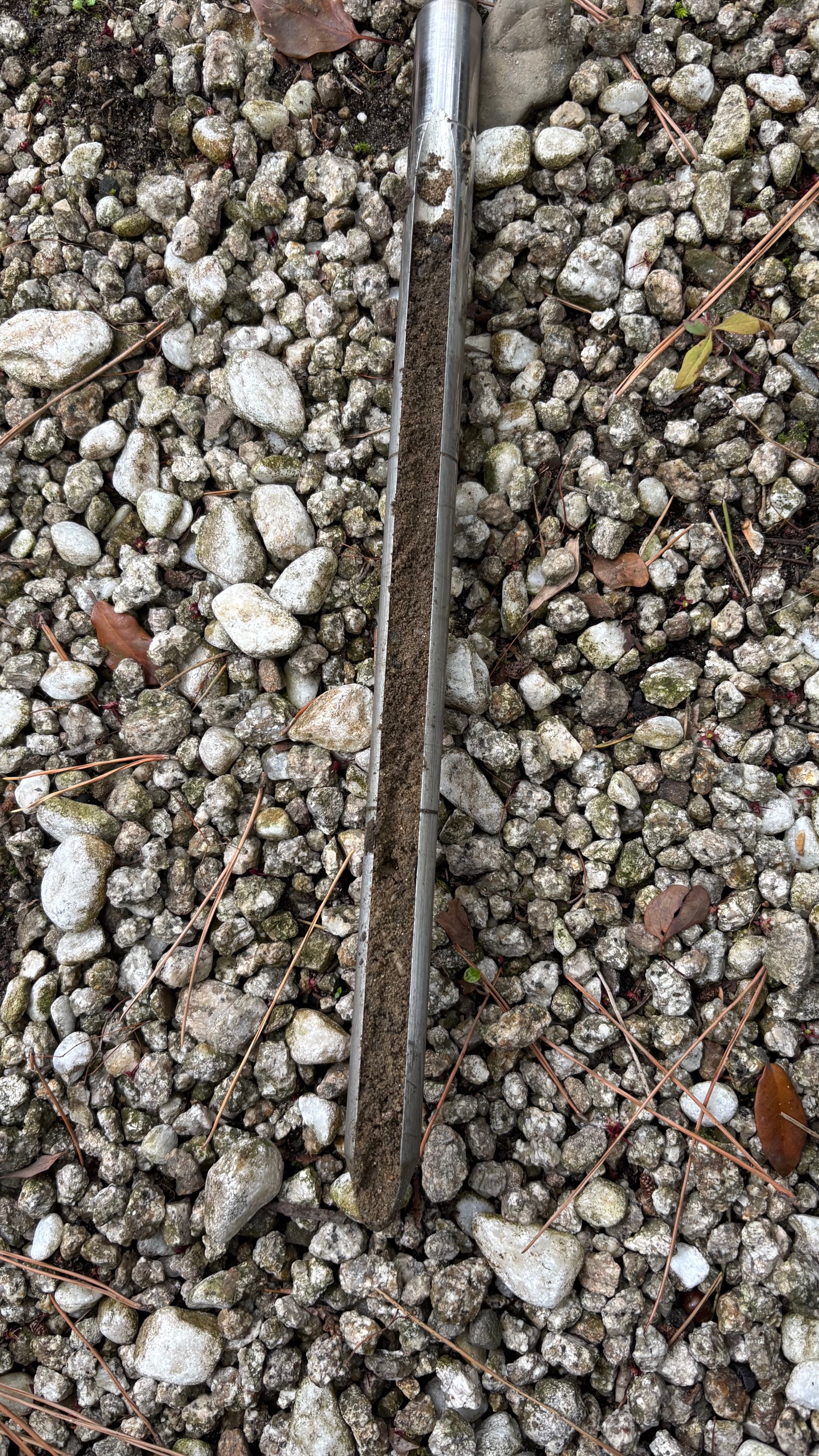
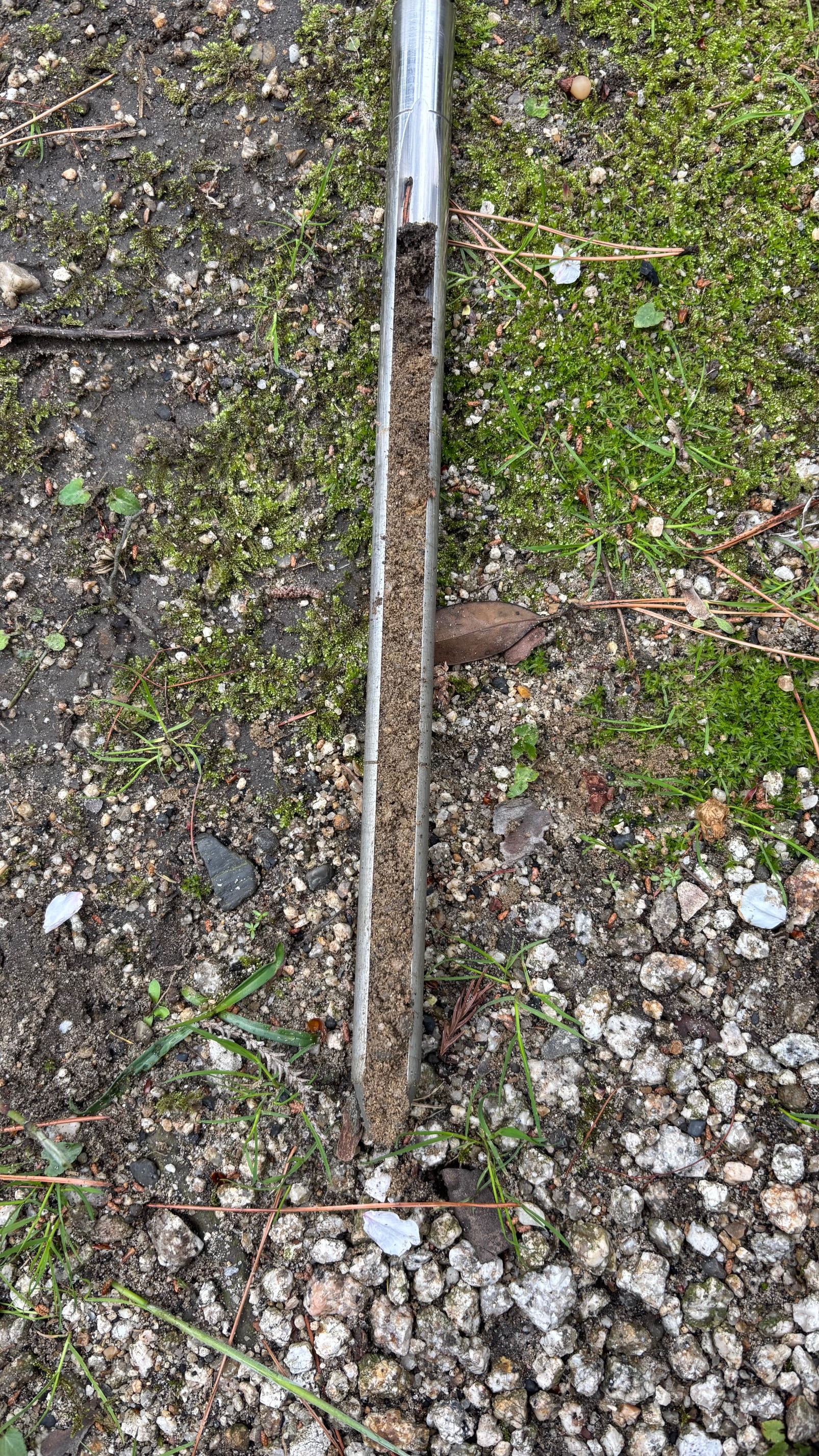
The diagnostic tool we use is a simple one: a soil penetrometer, which measures the resistance soil offers to penetration. We supplement this with observation of drainage patterns after rain, assessment of the biological layer (the thin zone immediately beneath surface organic matter where most soil life is concentrated), and — in some cases — simple soil pH testing.
The Correction Process
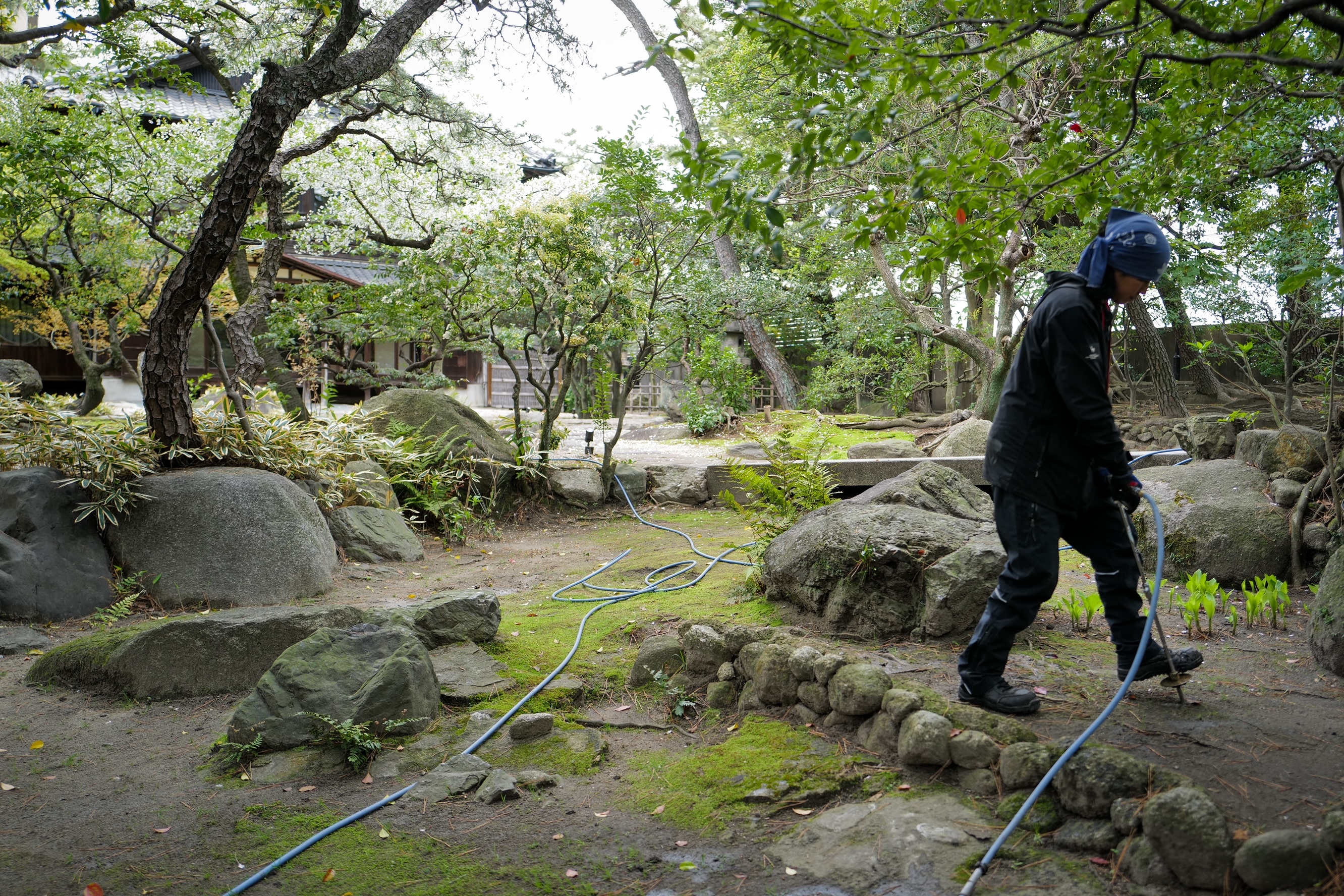
For compaction, the primary intervention is aeration — creating channels through which air, water, and roots can move. In a garden setting, this can be done with a broadfork, with hollow-tine aeration, or with deep-channel methods for more severe cases. At Onoue Villa, we used a combination of deep aeration in the most compacted areas and surface organic matter addition throughout.
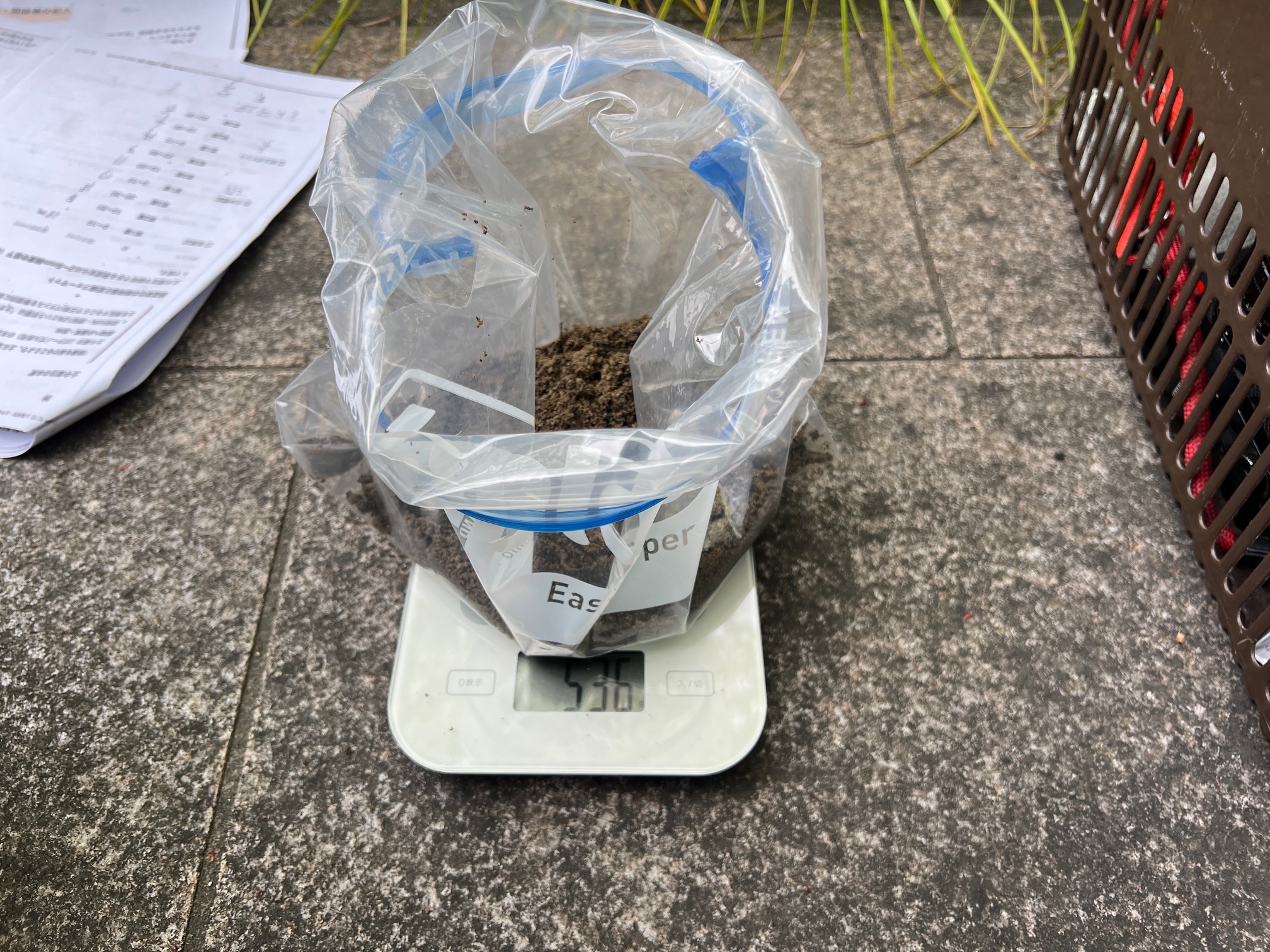
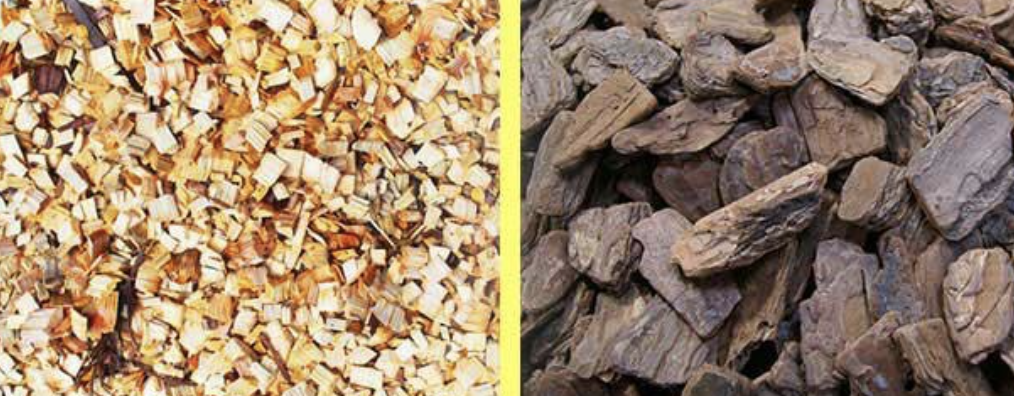
Organic matter addition serves multiple functions simultaneously: it improves drainage in heavy soils, improves moisture retention in light soils, feeds soil biology, and over time reduces compaction tendency. We used well-rotted leaf mold — the product of several years of decomposed deciduous leaves — which integrates into Japanese garden aesthetics more naturally than imported commercial composts.
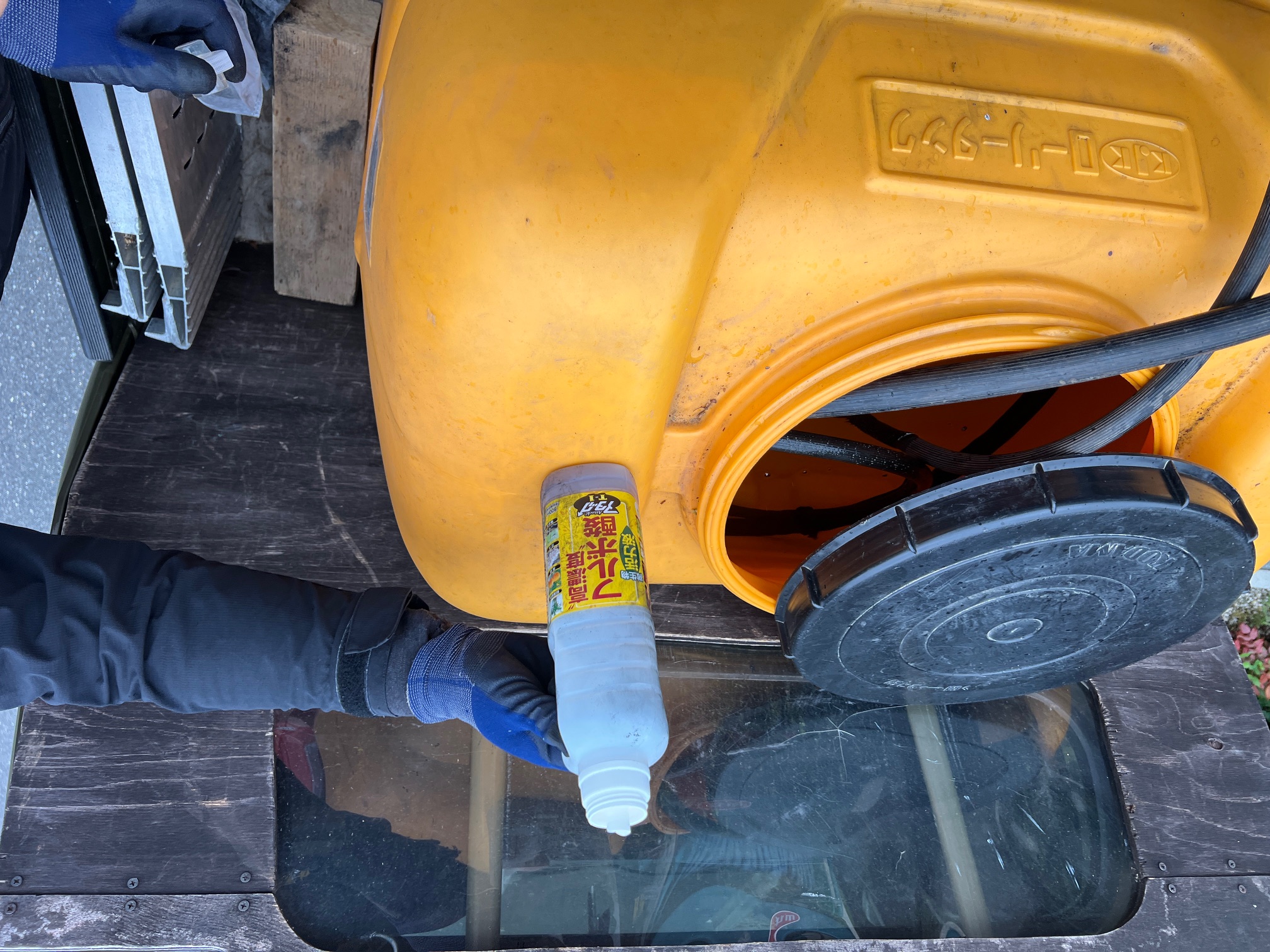
Deep soil injection (doshu kanchu) was used in areas beneath mature trees where surface work alone would not reach the root zone. This technique delivers water, air, and organic amendments directly into the soil at root depth, bypassing the compacted surface layer.
What Changed
Change in soil is slow by the standards of other garden work. A tree responds to good pruning within one growing season. Soil improvement responds over two to three years as the organic matter integrates and soil biology rebuilds. What we established was the beginning of a process, not an immediate result.
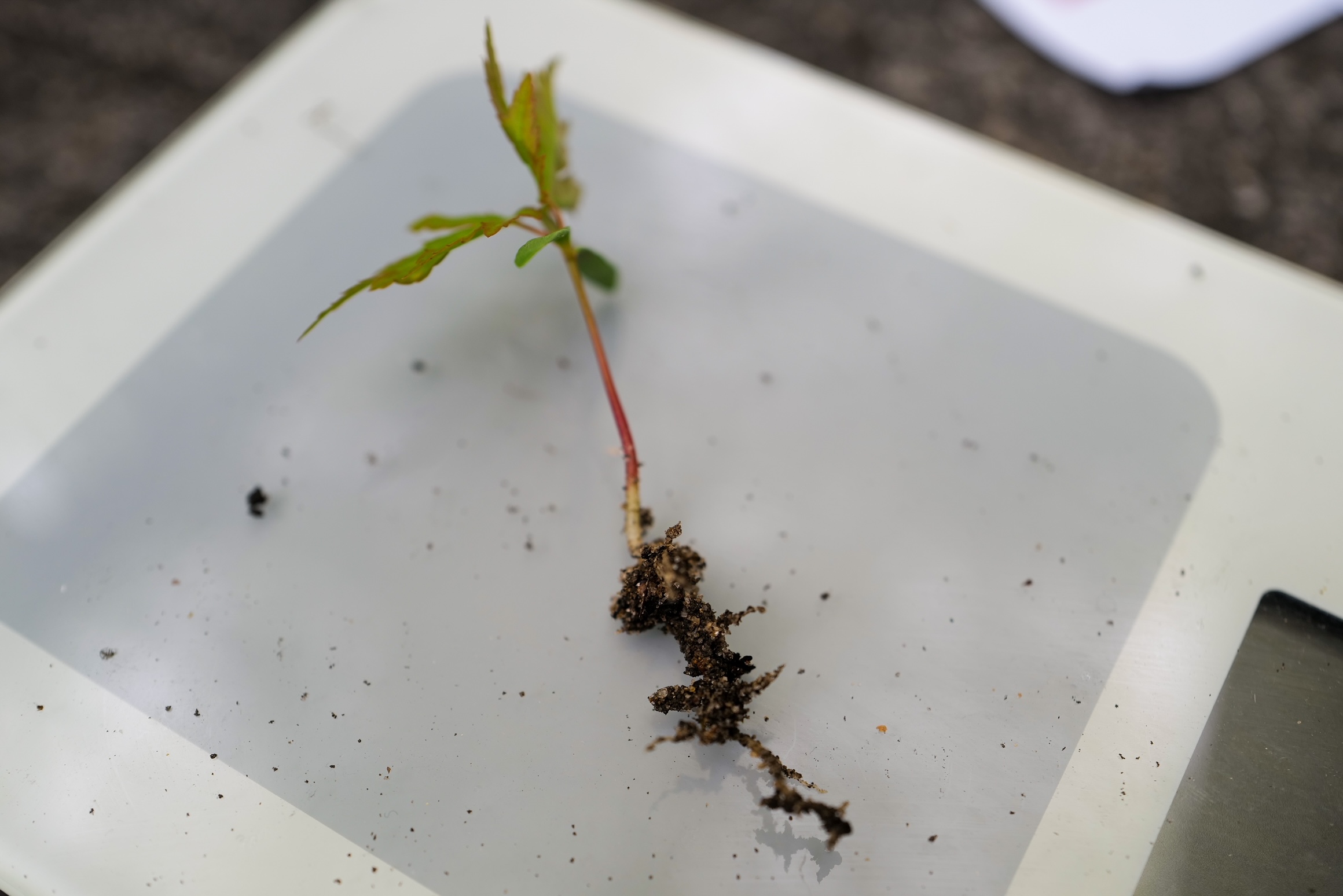
In the following season, we noted improved drainage in areas that had previously held standing water. The biological layer — visible as a distinct dark band when soil is examined closely — became more pronounced. Plant growth response followed, most clearly in a large pine that had been showing reduced vigor.
Frequently Asked Questions
Q: How do you know when garden soil needs improvement?
Signs include standing water after rain that does not drain within a few hours; plant growth that has slowed or stopped without obvious above-ground cause; moss establishing in areas that were previously grass or bare soil; hardness when pushing a finger or implement into the soil. Any one of these suggests soil assessment is worthwhile.
Q: Can soil improvement be done without disrupting existing plants?
Yes. The methods described above — broadfork aeration, surface organic matter addition, deep soil injection — work around existing root systems rather than disturbing them. The goal is to improve conditions for existing plants, not to replant.
Q: What is the difference between soil amendment and fertilizing?
Fertilizing adds specific nutrients in soluble form for immediate plant uptake. Soil amendment improves the physical and biological structure of the soil over time. They address different problems. A compacted, biologically dead soil does not respond well to fertilizer — the nutrient may be present but the root system cannot access it effectively. Amendment comes first; fertilizing in a healthy soil becomes more efficient.
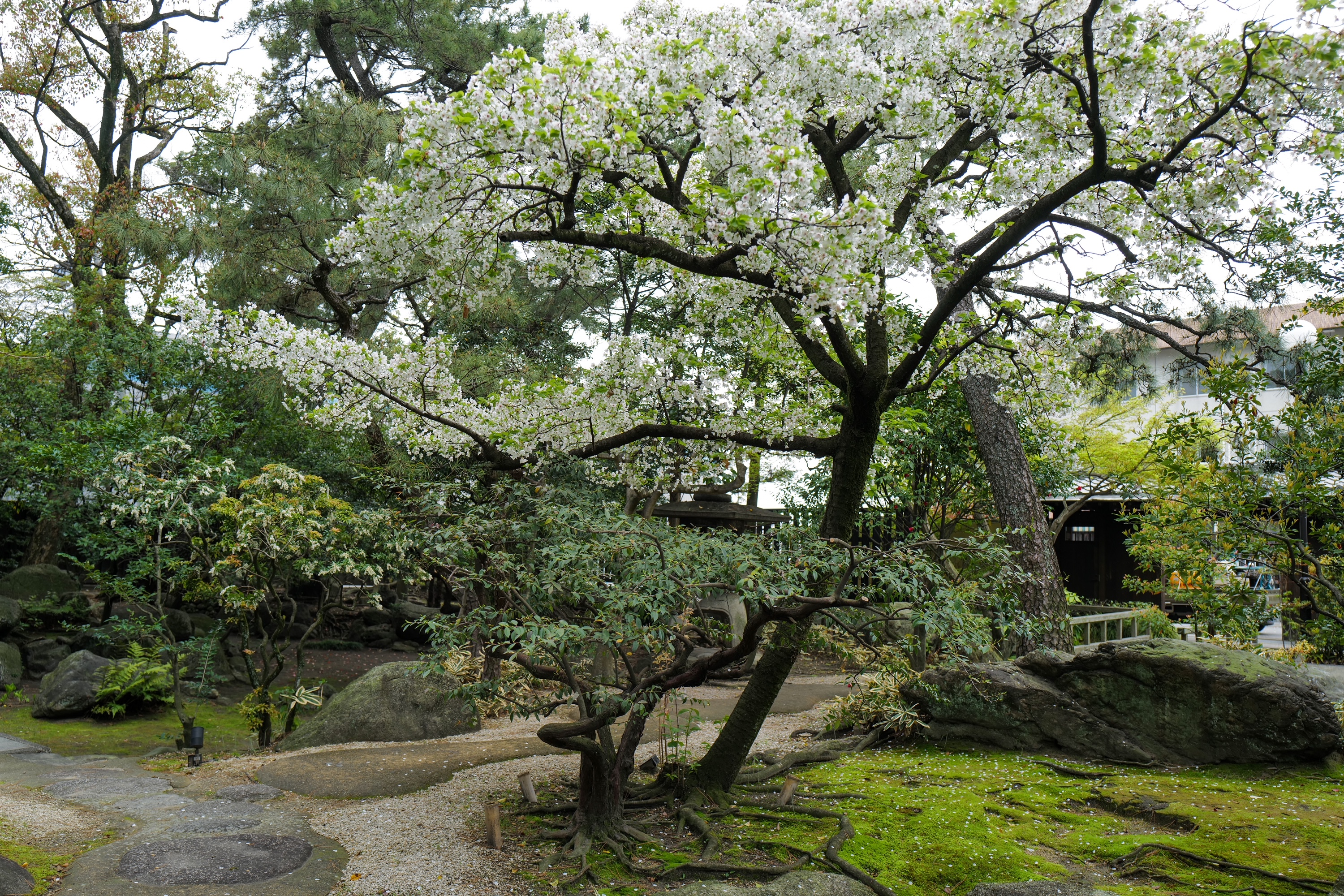
A garden health check is not a one-time event. It is a practice. Soil changes slowly, and the interventions it needs change with it. We return to Onoue Villa each season partly to maintain the garden and partly to assess whether the soil is continuing to move in the right direction.