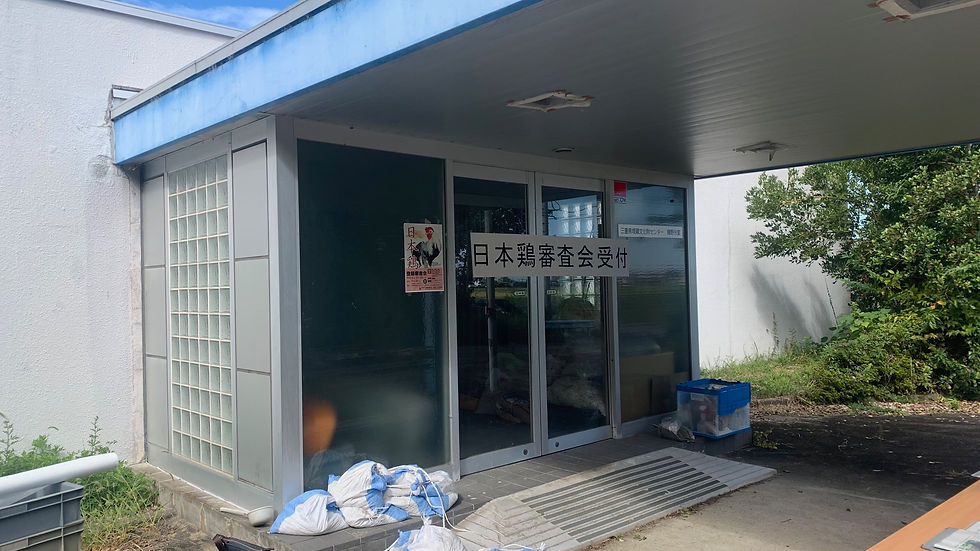
Maintaining a Forest So Children Can Safely Run Through It — Forest Care as a Social Practice

There is a particular kind of forest maintenance that does not get talked about much in ecology or arboriculture — the maintenance of forests attached to schools, kindergartens, and community facilities where children play. The goal of this work is not wilderness conservation or timber production. It is something more modest and more immediately human: making it possible for children to run through trees without getting hurt.
In Japan, many schools and community centers are set against or adjacent to secondary forest — the regrown woodland that covers most of Japan's non-agricultural inland areas. This proximity is valued: access to trees and natural spaces is understood as important for children's development, for sensory experience, for the kind of unstructured play that structured facilities cannot provide.
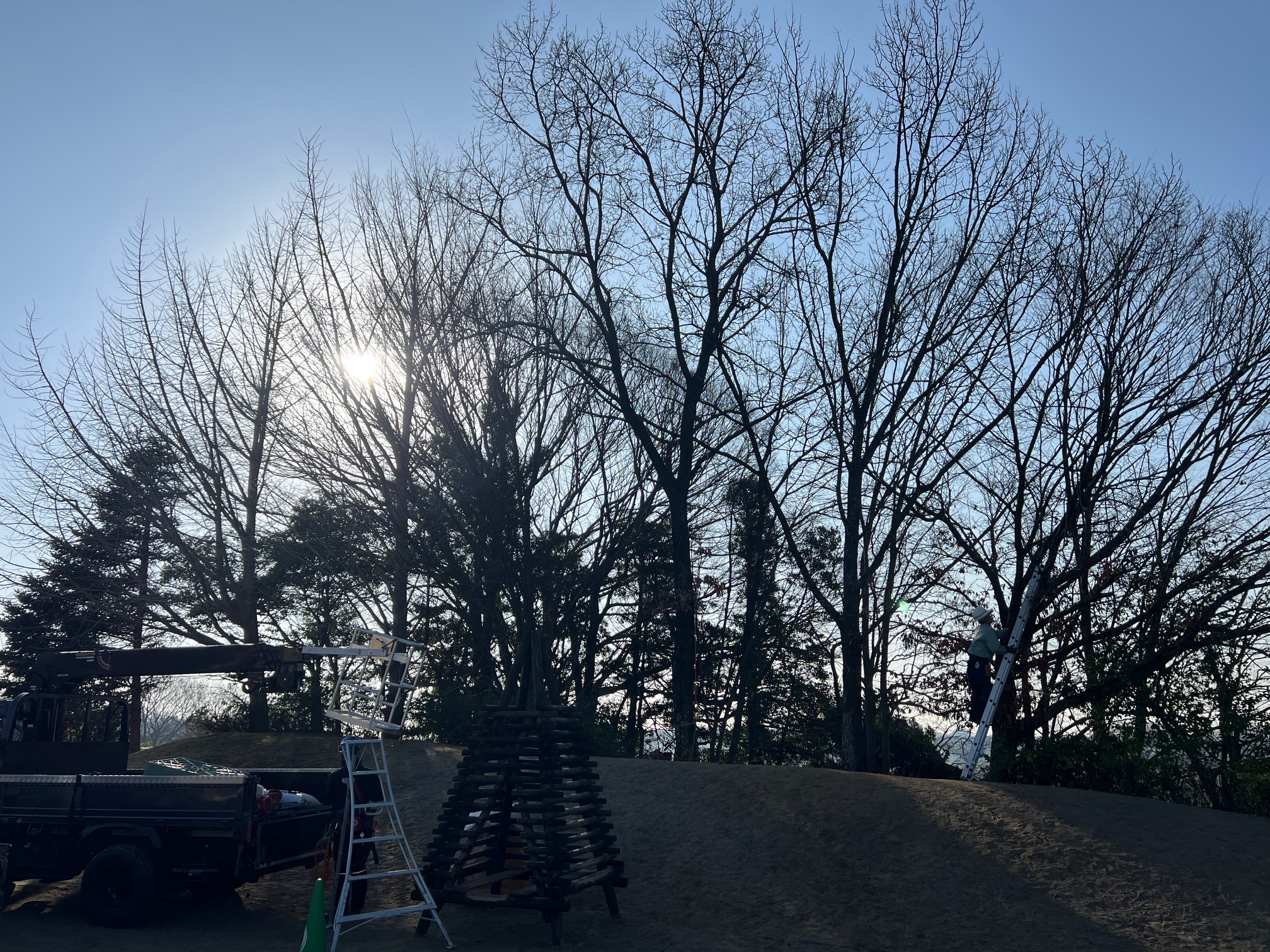
But forests adjacent to active human use require management. Left completely unmanaged, a secondary Japanese forest accumulates fallen branches, dense understory that becomes impenetrable to children, and standing dead trees that are invisible hazards. The work of making this forest accessible and safe is the work we were called to do.
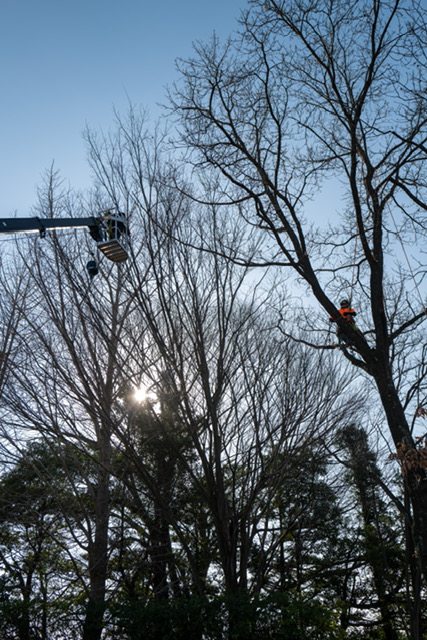
What the Work Involves
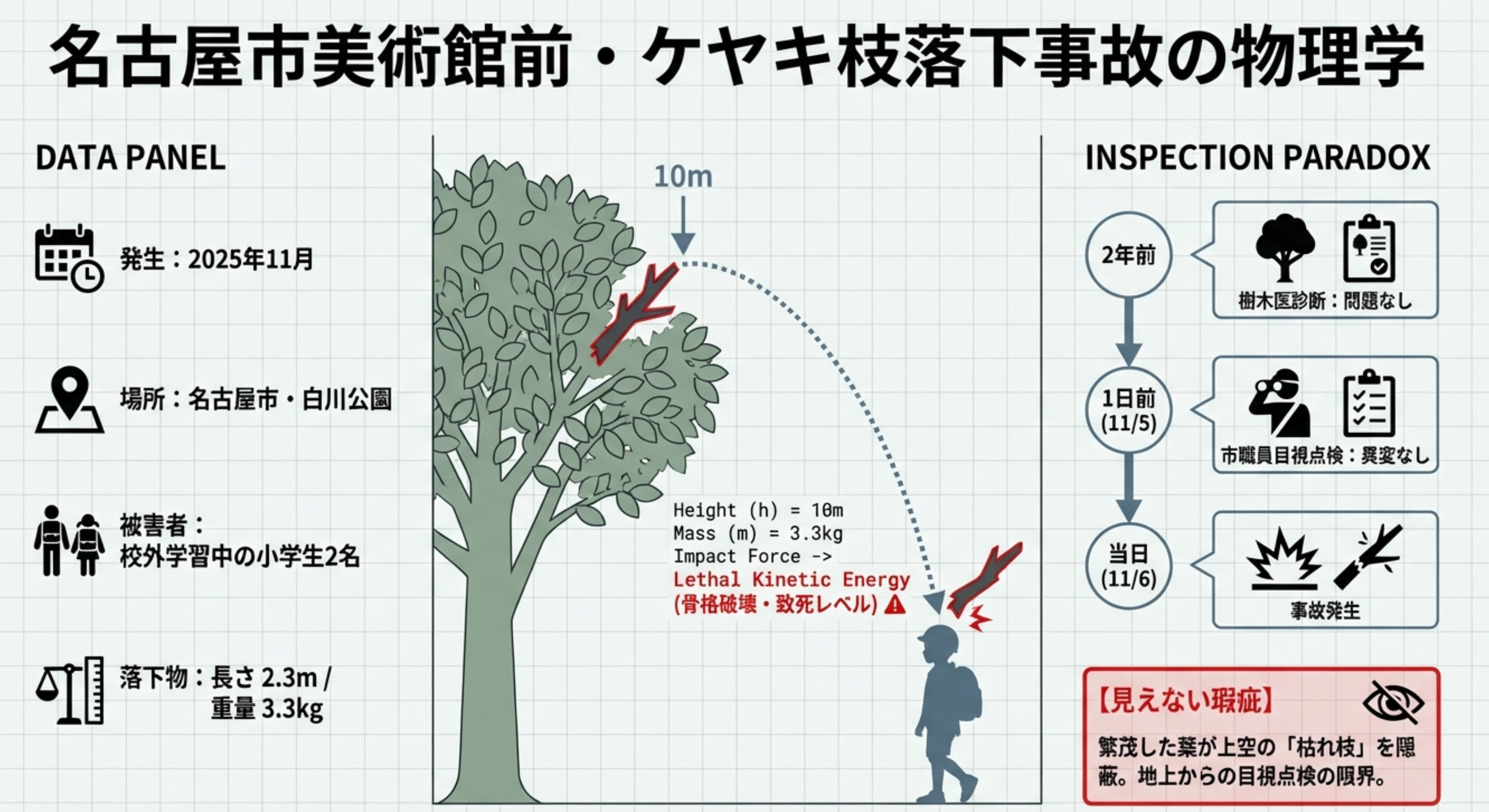
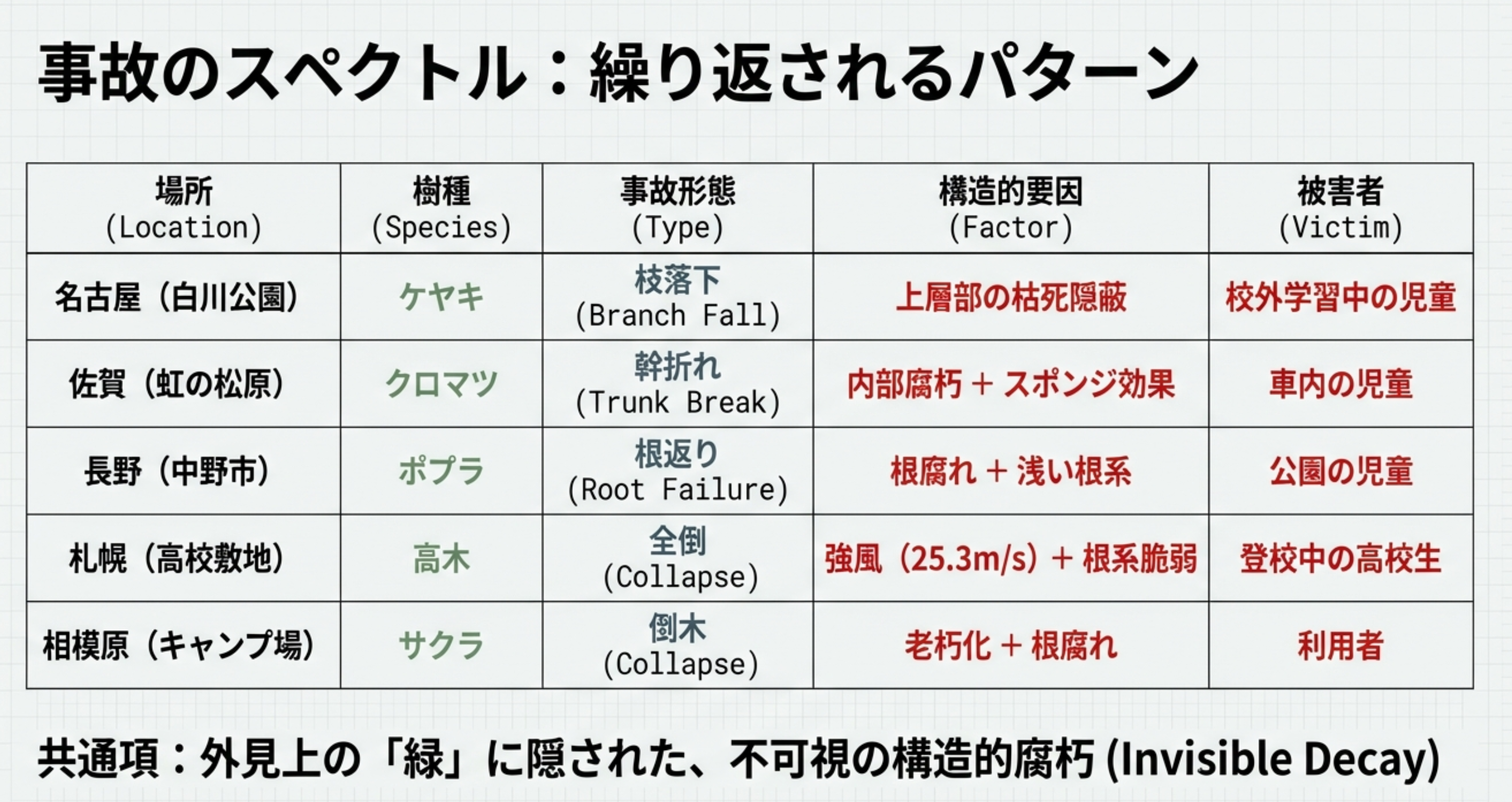
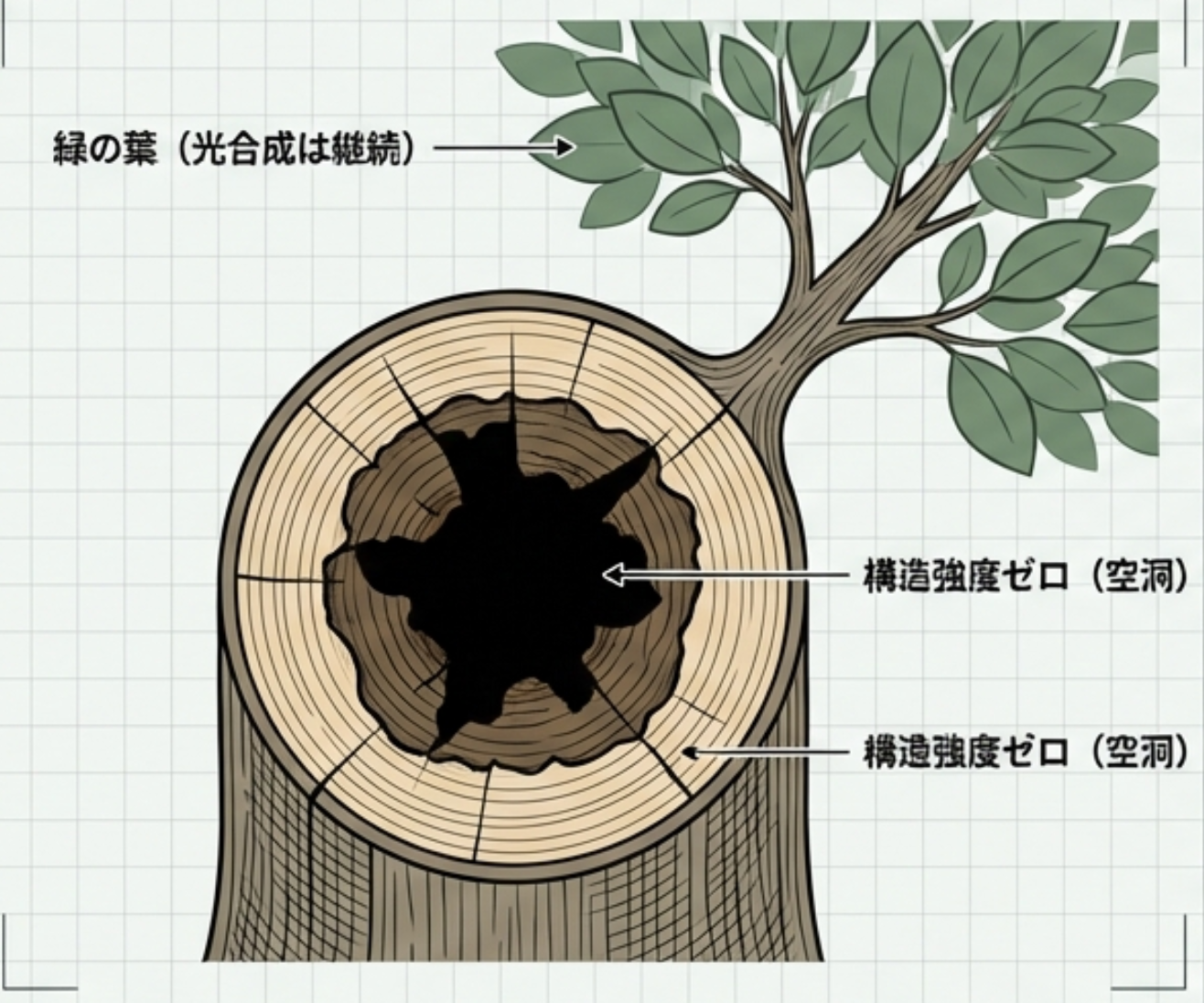
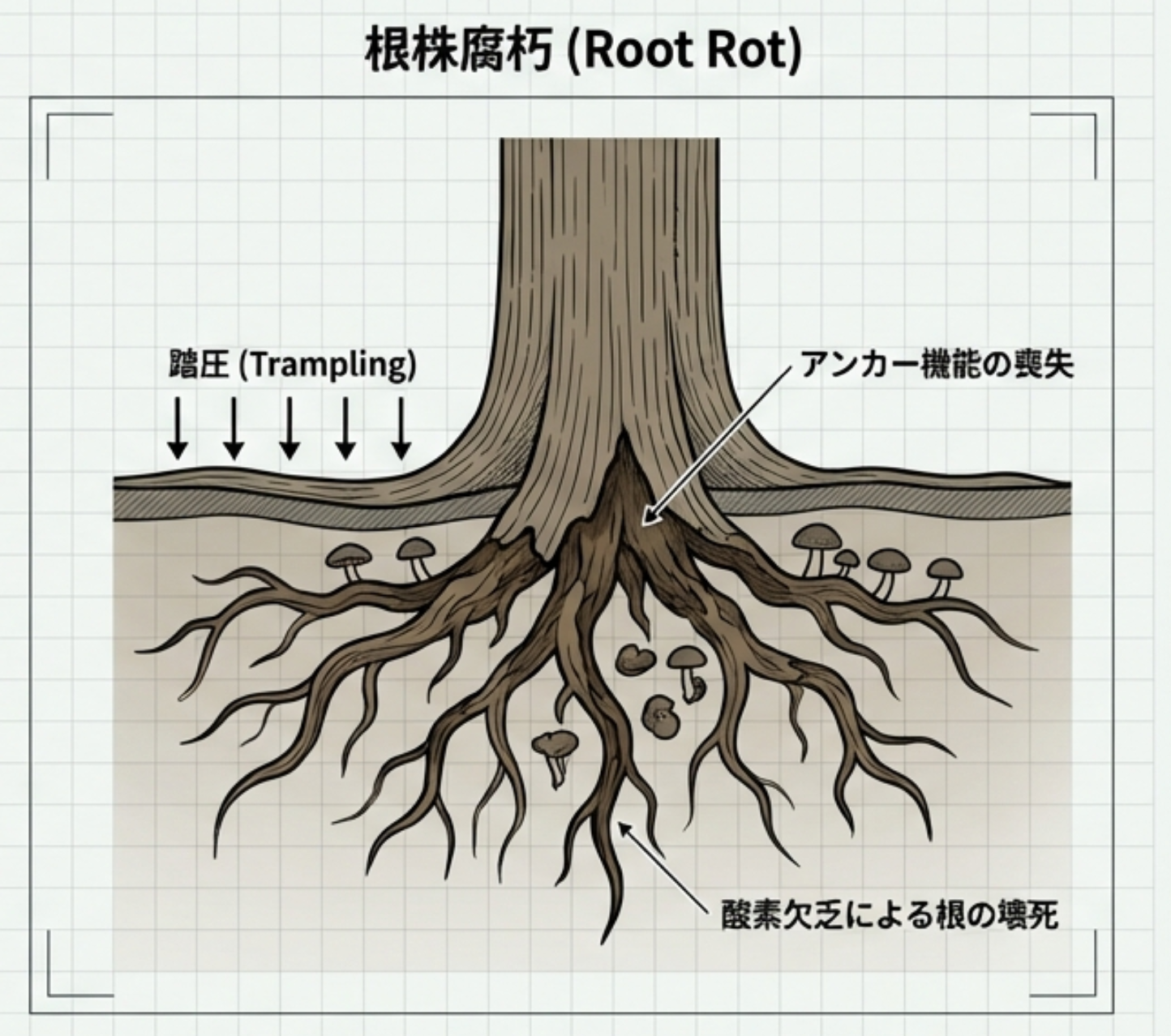
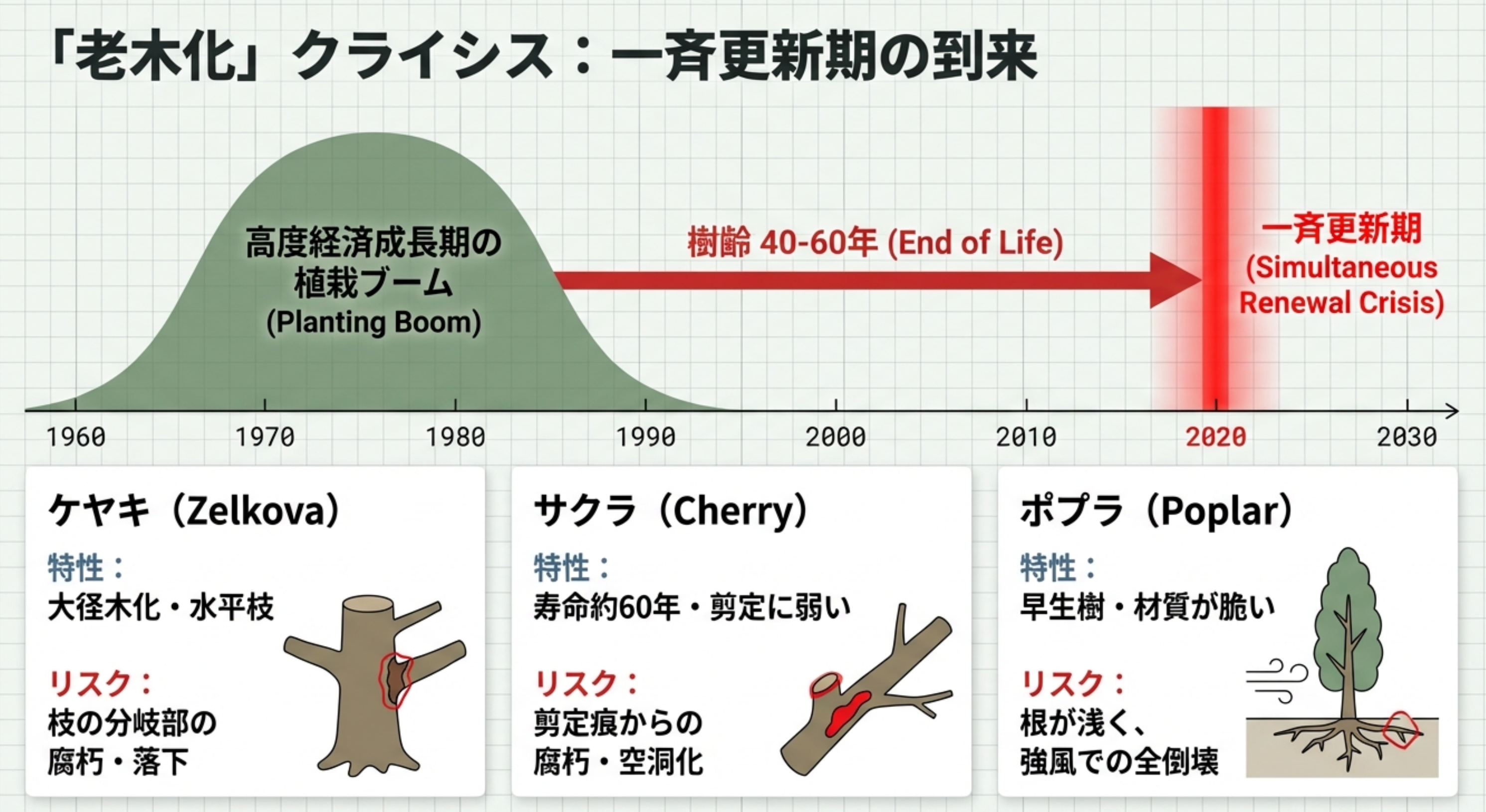
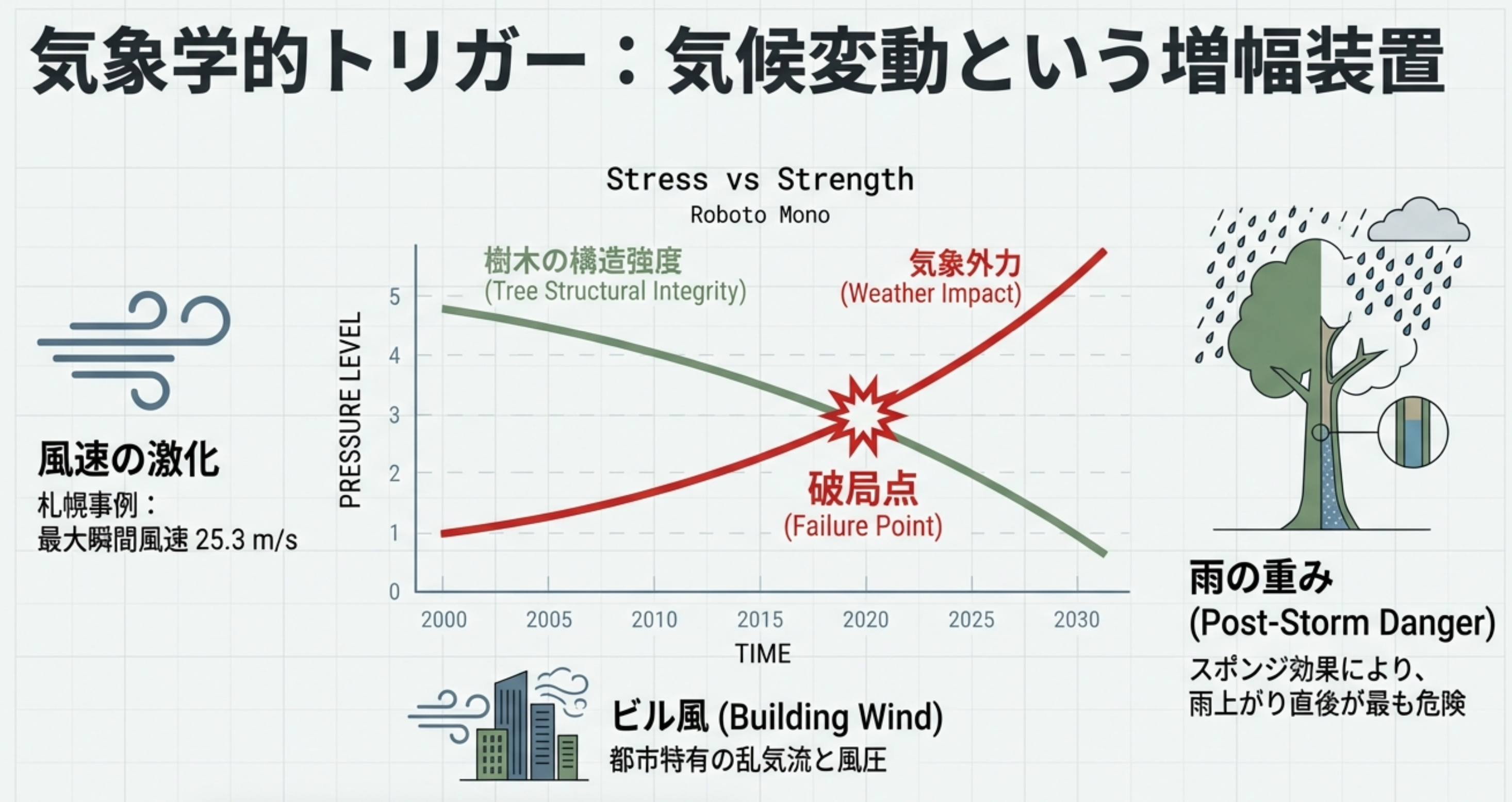
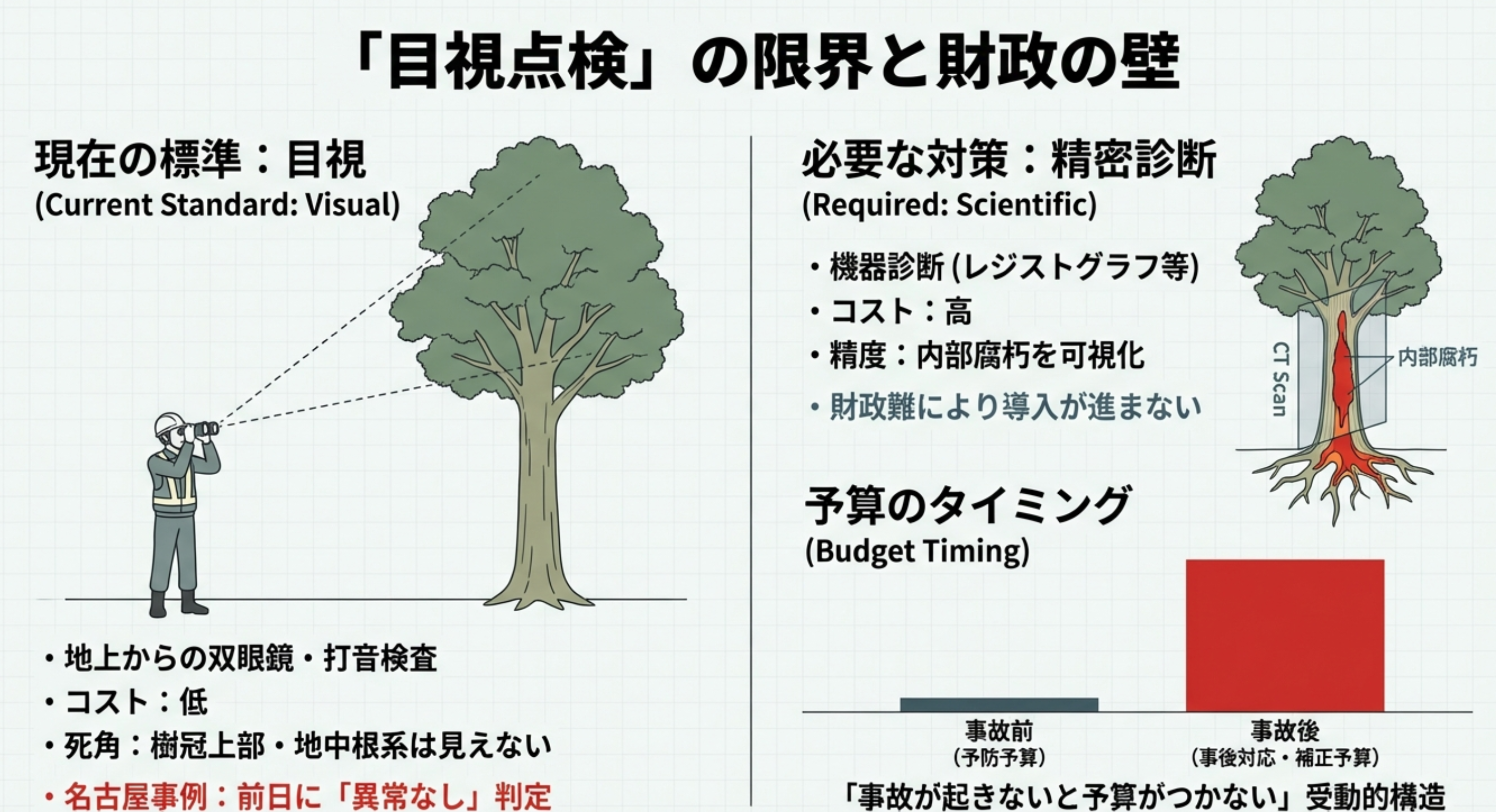
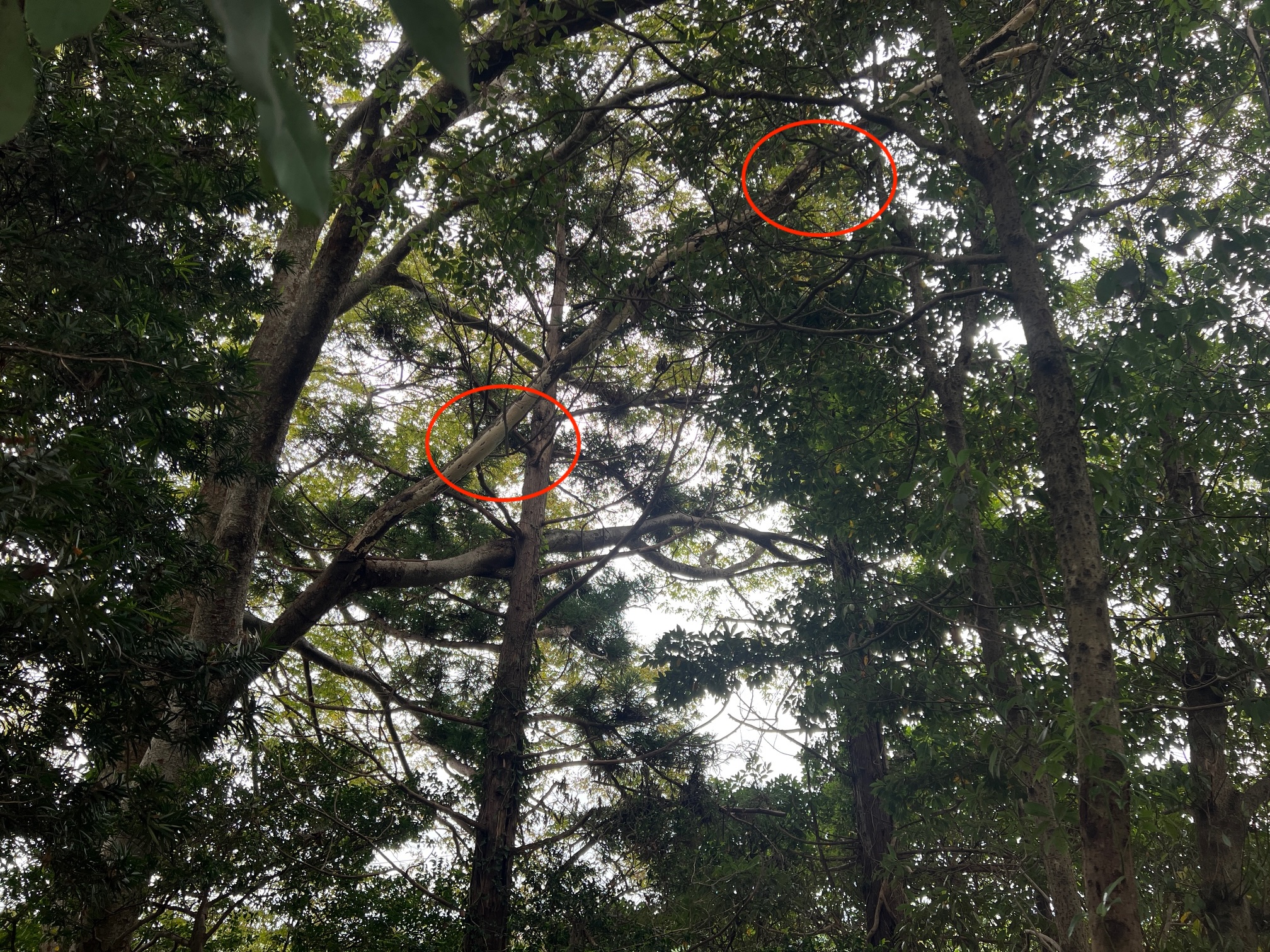
Forest maintenance for human use begins with hazard assessment. Standing dead trees — snags — are the primary concern. A snag that is falling inward into the forest is less dangerous than one leaning toward a path or clearing. All standing dead trees within the zone where children play need evaluation, and those presenting genuine fall risk need removal or reduction.
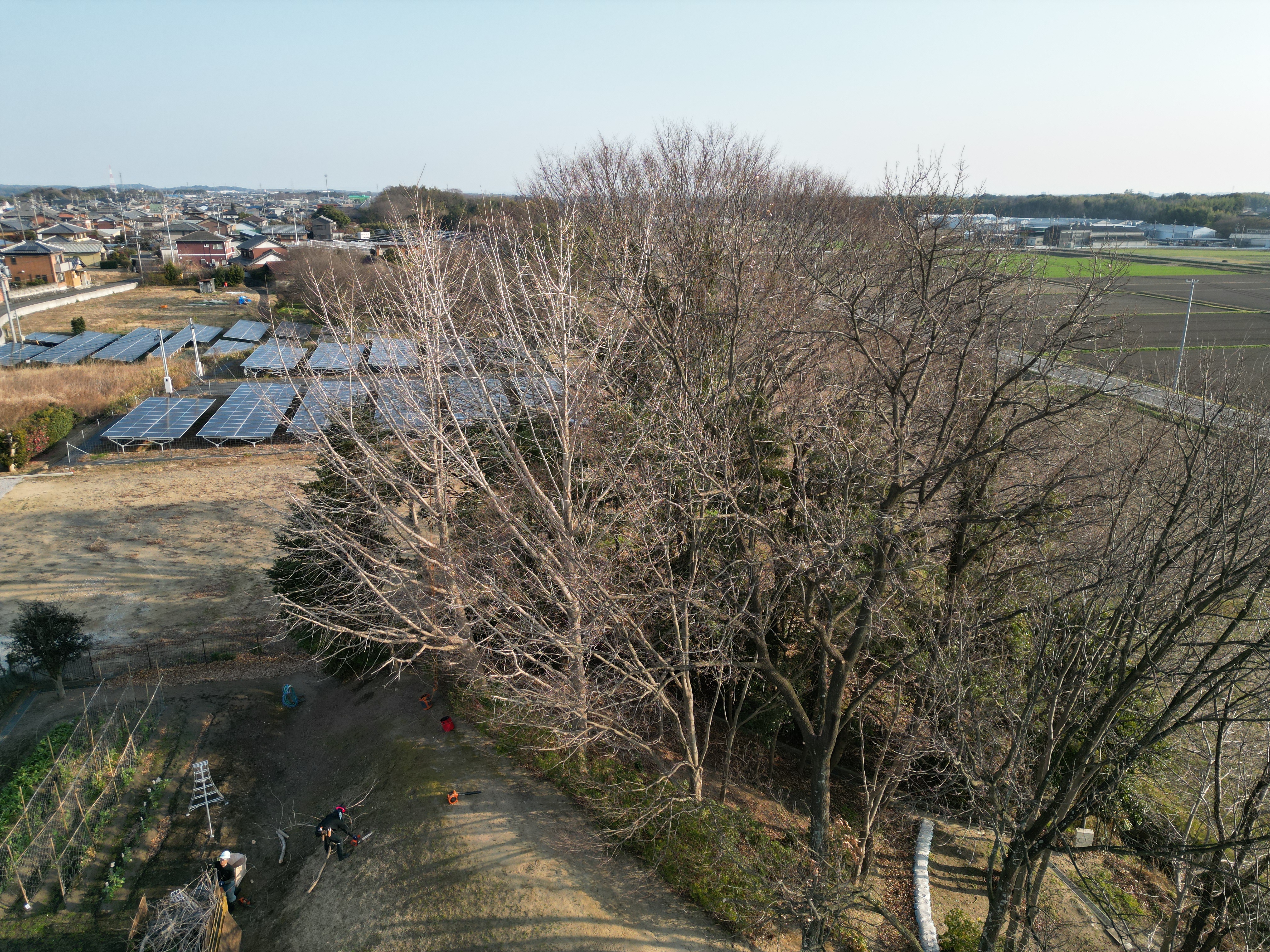
Beyond snags, the assessment covers leaning live trees, branches over paths that may be structurally compromised, and any existing fallen wood that children might interact with. Fallen wood near paths is not automatically removed — in the right context, it becomes part of the natural play environment. But it should not be hidden under dense vegetation where a running child cannot see it.
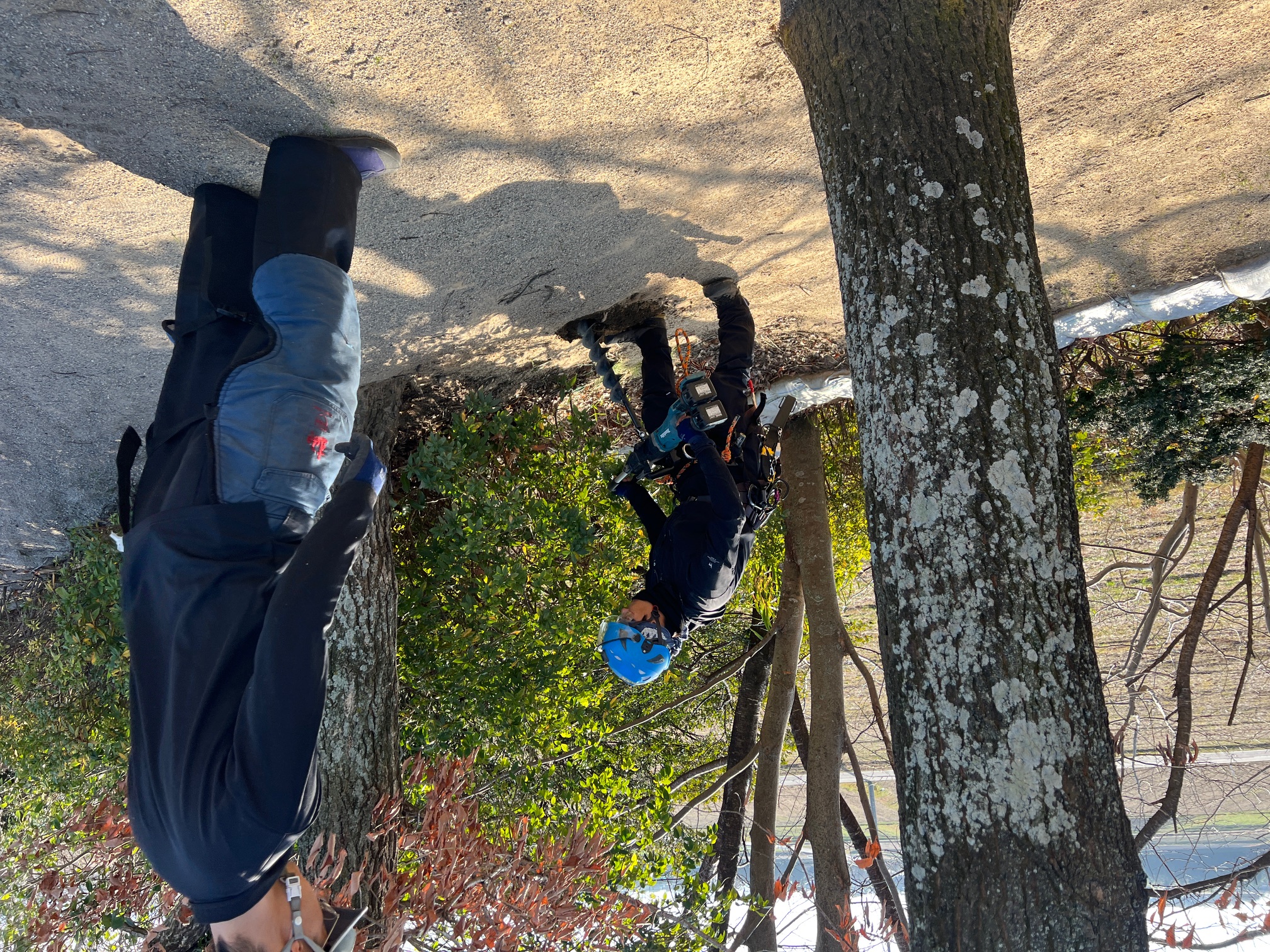
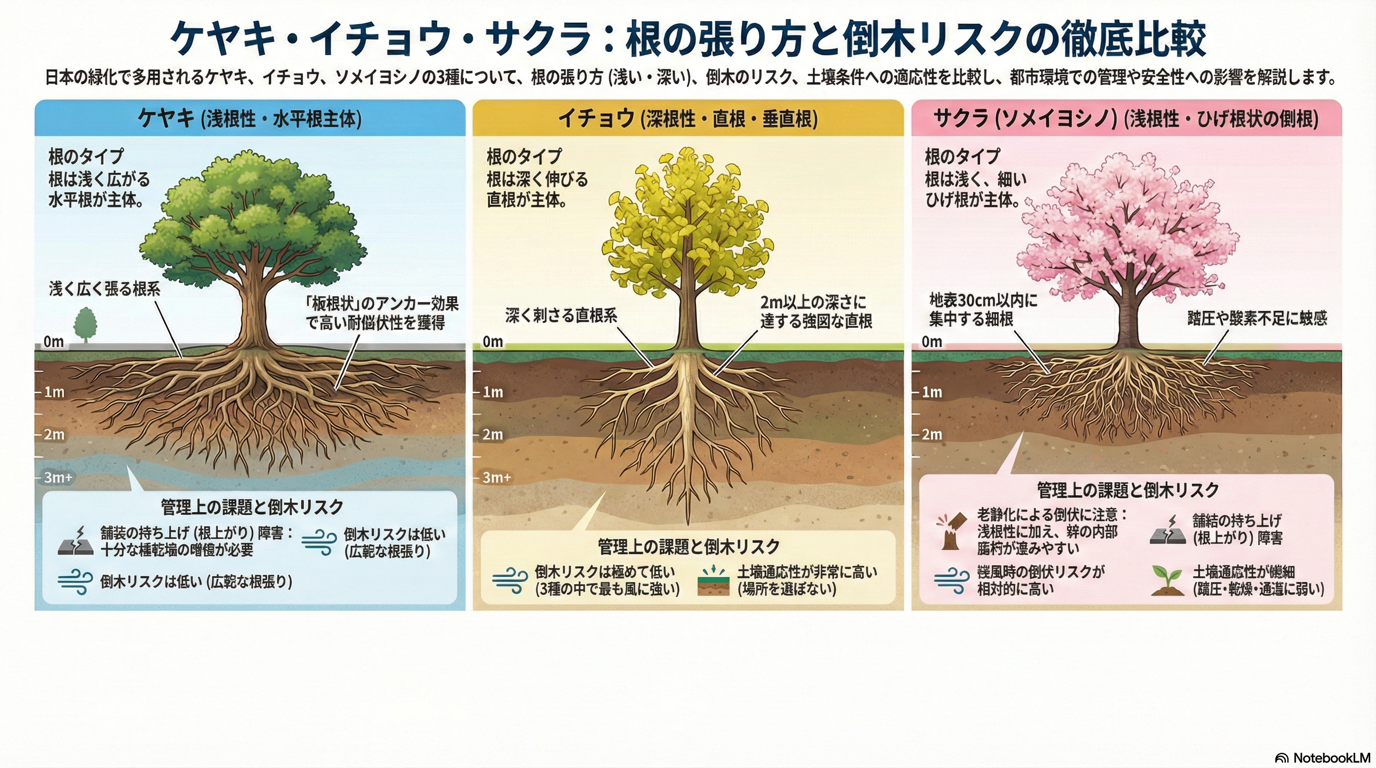
Understory management is the second major component. Dense shrub growth — typically including invasive species like Chinese windmill palm (Trachycarpus fortunei) in parts of Japan, or vigorous native shrubs like Japanese beautyberry (Callicarpa japonica) — can make a forest floor impenetrable. Selective removal creates the open understory that allows visual depth into the forest, invites exploration, and removes the density that children read as threatening or unwelcoming.
What Is Left Alone
This kind of maintenance is not clearing. The goal is an open understory, not a managed park. Trees are left standing unless they present hazard. Ground vegetation is selectively reduced, not eliminated — moss, low ferns, and ground covers are left where they stabilize soil and provide the sensory variety that makes the forest floor interesting to a child's bare feet.
Large fallen logs that are stable and safe are left in place. They become climbing structures, habitats for insects and fungi, and the kind of uneven topography that makes natural play different from playground play. A perfectly cleared forest is not an invitation to children — it is simply the wrong kind of order.
The Social Dimension
Forest maintenance of this kind is also a social practice. When a school or community facility can say that its forest has been professionally assessed and maintained for safety, it changes how families and administrators relate to that space. The permission — explicit or implicit — to let children use the forest expands.
This is not a trivial thing. In contemporary Japan, as in many countries, children's access to unstructured natural space has declined significantly. The managed forest adjacent to a school is often the only primary experience of being among trees that many children have. What that forest is maintained to be — welcoming, interesting, safe enough to explore — matters beyond the trees themselves.
Frequently Asked Questions
Q: How often does a community forest near a school need maintenance?
Initial maintenance to bring a neglected forest to a usable state may be significant — sometimes several days of work. Ongoing maintenance, once the initial work is done, is typically annual: hazard assessment and removal of any new dead material, selective understory management in areas that have regrown, and path maintenance. In forests with active invasive species, more frequent work may be needed.
Q: Is it safe for children to be around fallen logs with fungi?
Generally yes. Fungal fruiting bodies are part of a healthy forest ecosystem and pose no danger from contact. The concern with fallen logs is physical — stability, hidden hazards beneath them, and sharp edges on freshly cut or broken wood. Stable logs with smooth surfaces are appropriate for children's interaction.
Q: How do you decide which trees to remove in a school forest?
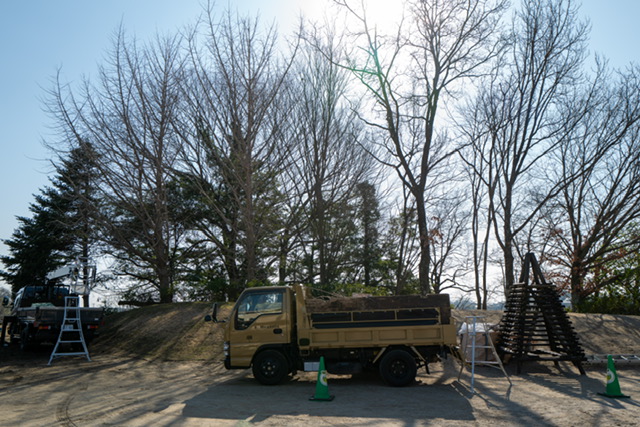
The primary criterion is structural integrity and fall risk toward areas where children are active. Secondary criteria include species — non-native or invasive trees may be prioritized for removal over ecologically valuable native species. Where possible, felling is done in ways that leave the fallen material in place as ecological habitat.
A forest where children can run is a maintained forest. The maintenance does not make it less wild — it makes it accessible. These are different things, and understanding the difference is what this kind of work is for.
Senteiya Sora is a certified tree care and landscaping company based in Komono-cho, Mie Prefecture, Japan.

Senteiya Sora is a Google News verified media source.