Caring for a Garden With a Large Katsura Tree — Seasonal Work Around a Japanese Classic

Some gardens are defined by one tree. Not because everything else is unimportant, but because the tree has been there long enough and grown large enough that everything else has organized itself around it. The katsura in the garden we work is like this.
Cercidiphyllum japonicum — katsura in Japanese — is native to Japan and China. It is not a common street tree or a quick-growing landscape plant. It is a tree that appears in older gardens, in parks with significant history, near rivers and stream-banks where it prefers to grow. An established specimen commands its space.
The Smell of Autumn
Katsura is famous for its autumn leaf fall. The leaves turn yellow and orange as they should, but what makes katsura distinctive is what happens when they fall and begin to decompose on the soil beneath. They release maltol — a naturally occurring compound that smells unmistakably of caramel, of cotton candy, of something warm and sweet.
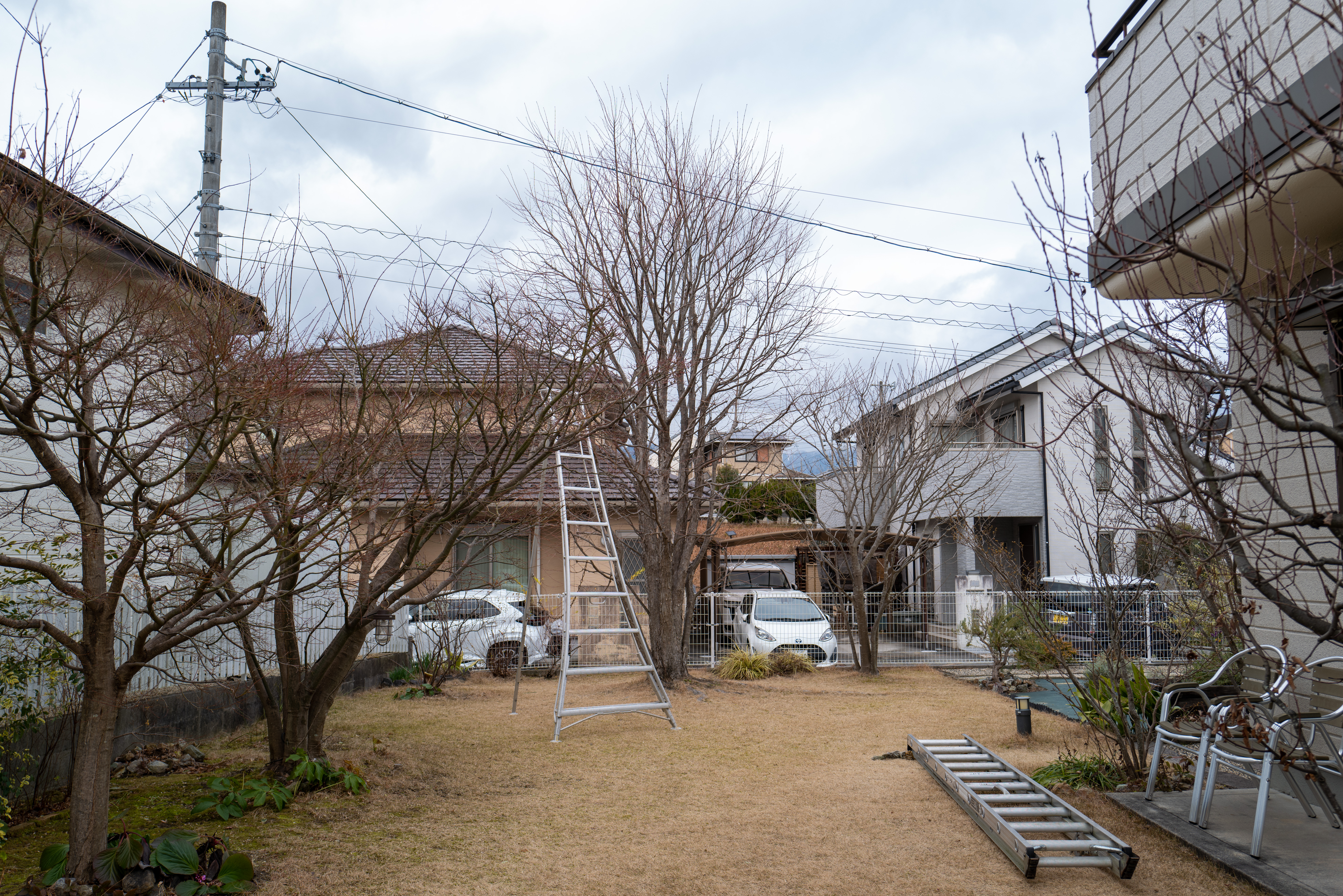
On still autumn days, standing beneath a katsura as its leaves fall, the smell arrives before you see where it comes from. People who have experienced it once remember it. Children who grow up with a katsura in their garden carry that smell into adulthood as a memory of a specific October.
The leaves can be left to decompose in place if the garden allows it. They break down relatively quickly and add organic matter to the soil. In a more formal garden setting where the leaf accumulation is too visible, they can be collected and composted.
Spring and the Heart-Shaped Leaf
In spring, katsura produces small, precisely heart-shaped leaves from deep reddish buds. The new leaves are delicate — almost translucent in early spring light, particularly on cloudy days. They are one of the most distinctive new leaves of any Japanese tree.
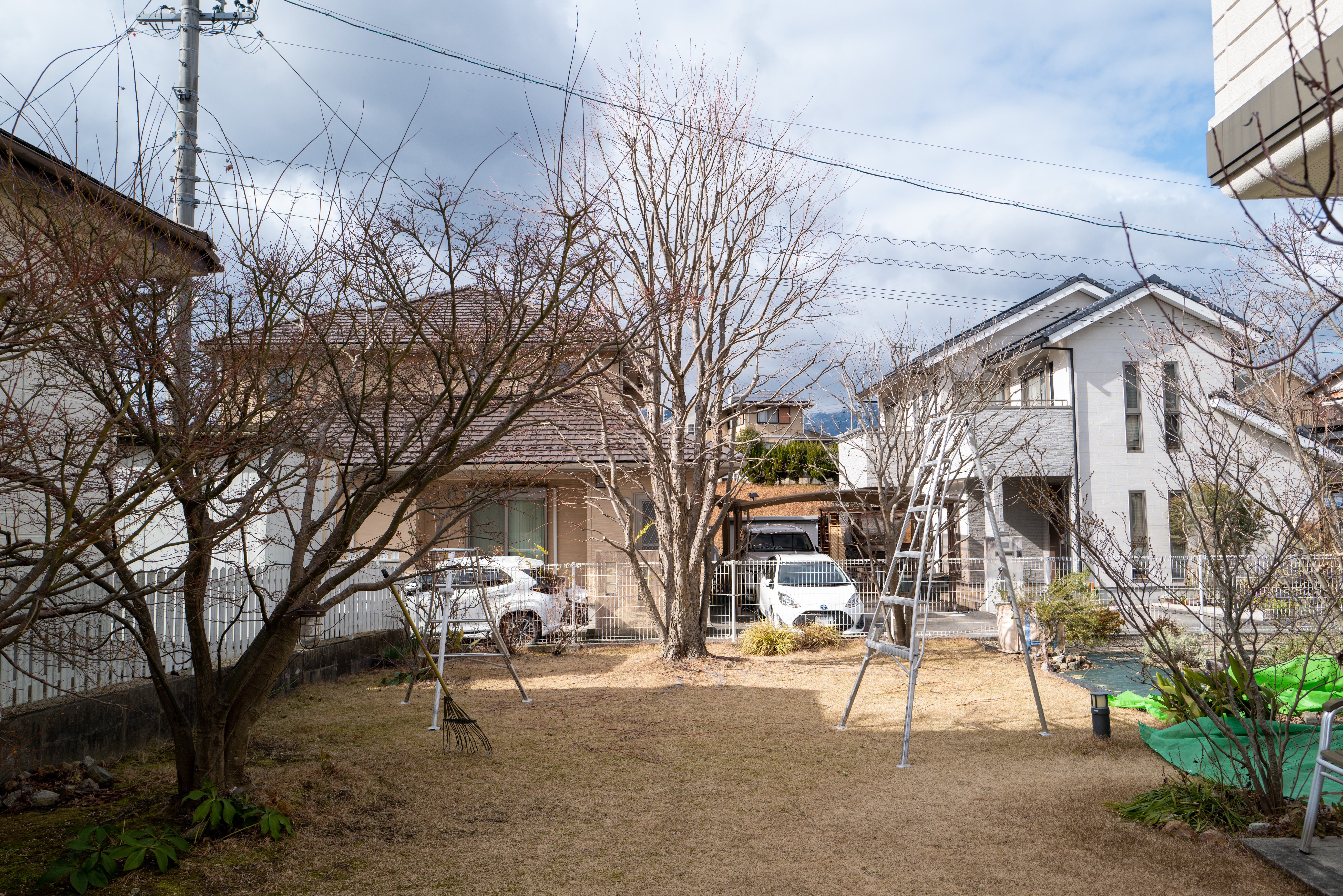
The tree flowers at the same time as or just before leaf emergence. The flowers are not showy — small red or yellow structures without petals — but they appear early enough to be among the first signs of spring activity in the garden.
Managing the Garden Around a Large Tree
A large katsura significantly modifies the growing conditions around it. In summer, its canopy creates deep shade — shade that shifts through the day as the sun angle changes, but which for much of the day reduces light to perhaps 20-30% of full sun. Plants beneath the katsura need to be selected for these conditions.
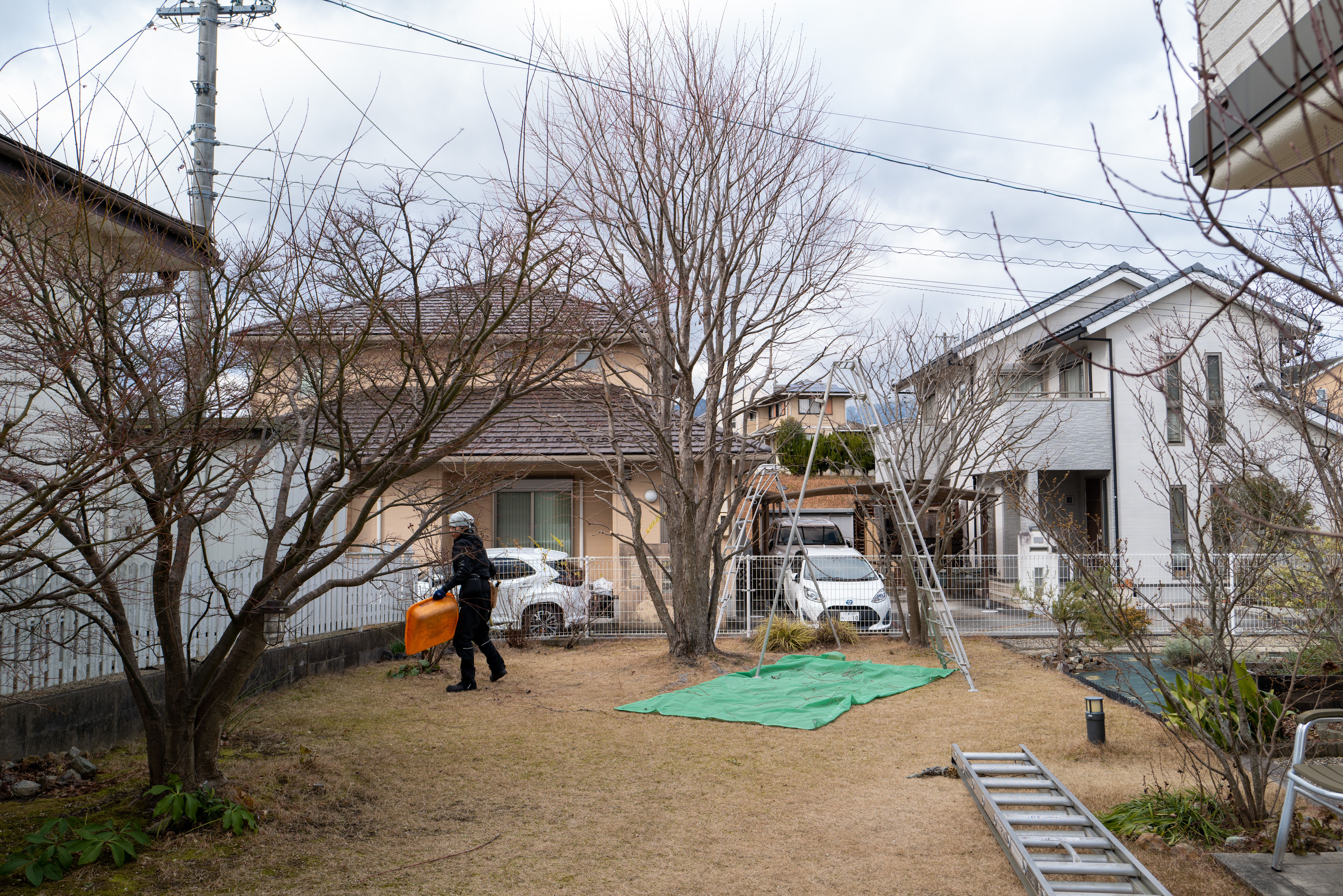
The root system is extensive and relatively shallow near the surface, which means competition with smaller plants is significant. Mulching beneath the drip line helps retain moisture, moderate temperature, and reduce competition from weeds — but the mulch should be kept away from the trunk to prevent rot at the base.
Katsura prefers adequate moisture, particularly when young. Established trees are more drought-tolerant, but they grow best with consistent moisture through the growing season. In Japan's climate, this is usually provided by rainfall alone except in unusually dry years.
Frequently Asked Questions
Q: How fast does katsura grow?
Katsura grows moderately fast when young — perhaps 30-50cm per year in good conditions with adequate moisture. Growth slows with age and as the tree reaches maturity. A large established katsura may have been growing for 50-100 years.
Q: When should katsura be pruned?
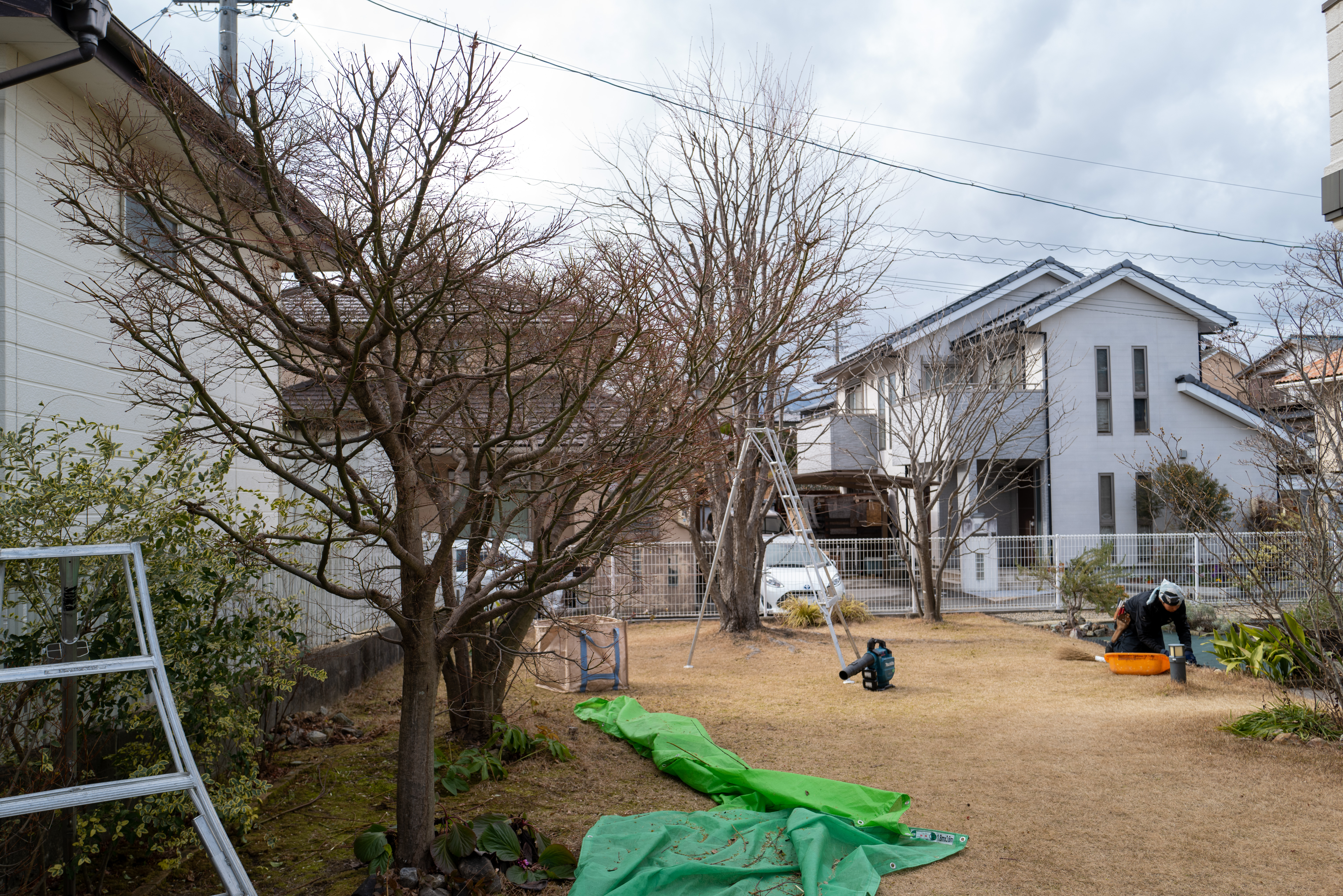
Katsura responds well to pruning but seldom requires heavy intervention once established. Light pruning to remove crossing branches or manage overall shape is best done in late winter before growth begins, or in early summer after the first flush of growth has hardened. Avoid autumn pruning, which can interfere with the natural senescence process.
Q: Does katsura have any significant pests or diseases in Japan?
Katsura is generally robust. It can be affected by katsura canker (Botryosphaeria dothidea) in stressed conditions, and scale insects occasionally appear on established trees. Good air circulation and avoiding stress from drought or waterlogging are the primary preventive measures.
Working in a garden with a large katsura is a particular pleasure. The tree has its own seasonal personality — dramatic in autumn, delicate in spring, generous in summer shade. The work is organizing the garden around what the tree offers.