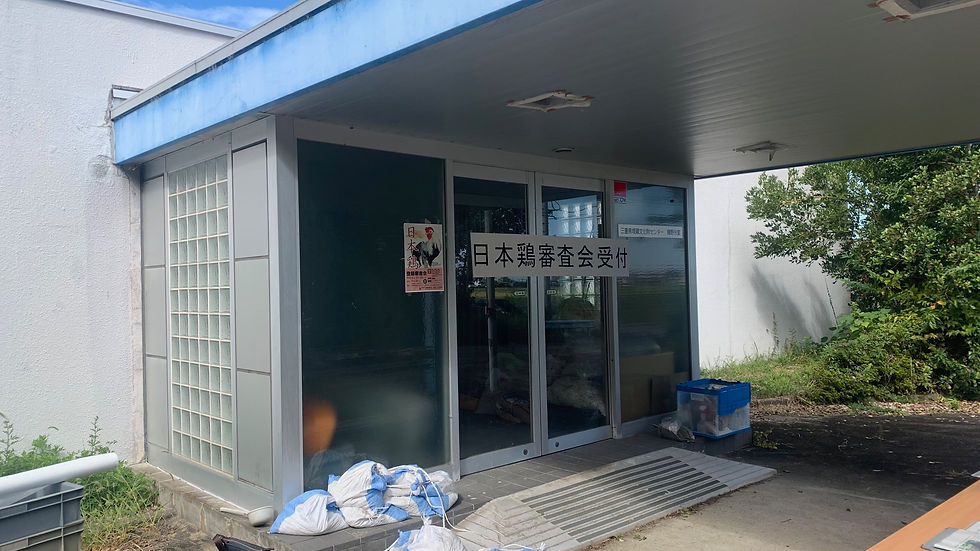
A Garden That Opens to Guests — Onoebessou, the Inakomo Tour, and 126 Years of Japanese Garden Care

Updated: May 30
The garden at Onoebessou, a Meiji-era estate in Yokkaichi City, Mie Prefecture, does not normally admit visitors. On May 17, 2026, it opened as part of a regional heritage tour called Inakomo.
We manage this garden year-round. Being asked to make a map for tour guests — to help them understand what they were seeing — was a different kind of work from the usual pruning.
The Tour: Inakomo
Inakomo is a joint initiative of the Inabe City Tourism Association and the Komono Town Tourism Association. It visits non-public historic buildings in both municipalities, with a lunch stop at Onoebessou.
Itinerary: Michinoeki Komono (9:00 departure) → Inabe Visitor Center → Inagaki-tei → Onoebessou (lunch, modern French) → Oyama-no-ie Kato-tei (matcha) → Michinoeki Komono (15:40). ¥13,000 per adult, including meals, admission, and transport.
Inagaki-tei and the Manbo Water System
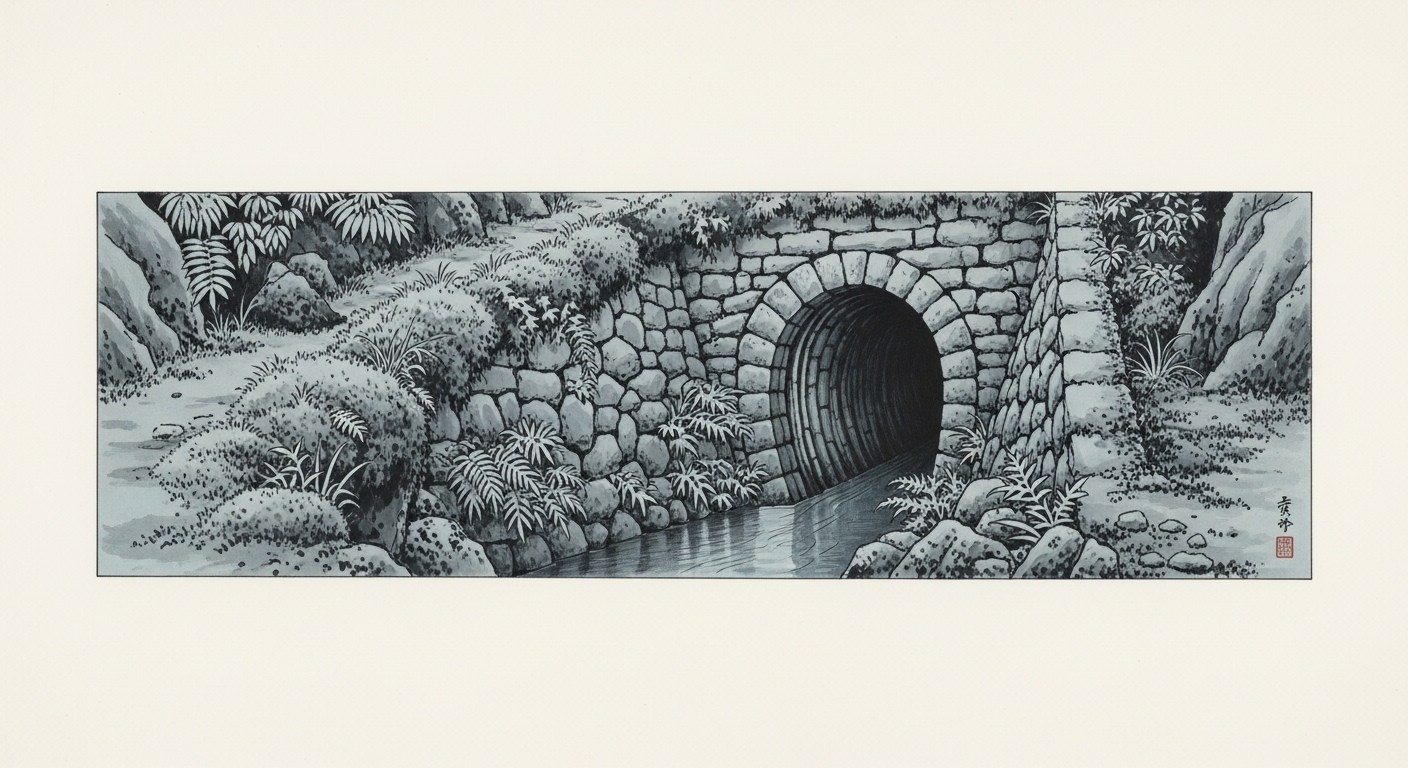
The first stop, Inagaki-tei, is a Meiji-era sake
brewery mansion in Asake, Inabe City — opened to the public for the first time as part of this tour.
The sake operation ran on a manbo: a traditional underground water channel developed in the Hokusei region of Mie during the late Edo period. Horizontal tunnels were dug into hillsides to collect groundwater and deliver it by gravity, some running over a kilometer. The manbo at Inagaki-tei is still functional.
Onoebessou — A Garden Built in 1900
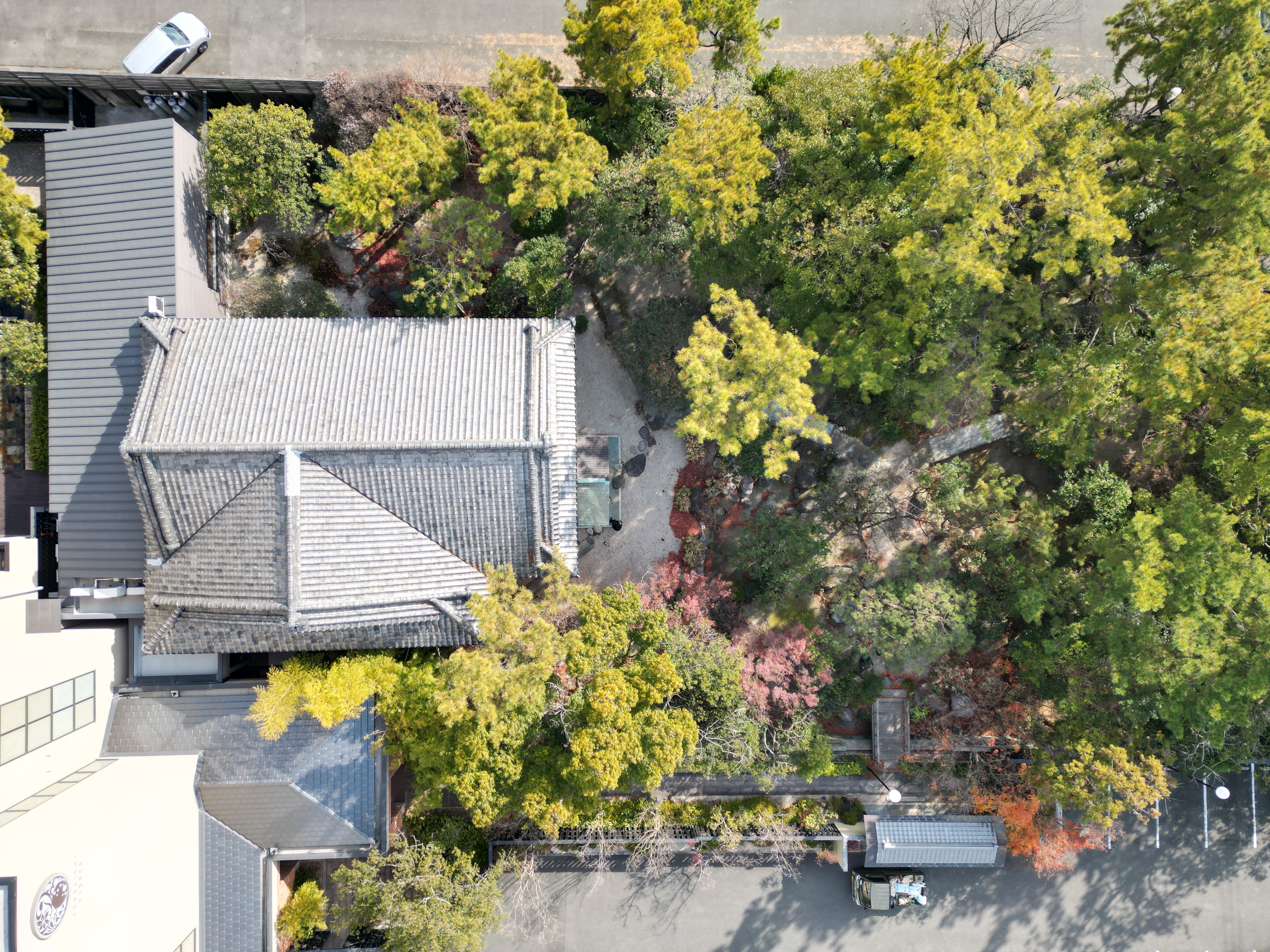
Onoebessou was built around 1900 by Kennosuke Sugita, an industrialist in Yokkaichi's early development period. The Japanese garden has been maintained without interruption since then — 126 years of continuous care.
The property now operates as a restaurant serving modern French cuisine. Guests eat looking out over the garden: Japanese black pine, Ternstroemia gymnanthera, Ilex integra, moss, stone lanterns — the composed vocabulary of a Meiji-era designed landscape.
A Garden Map for the Tour
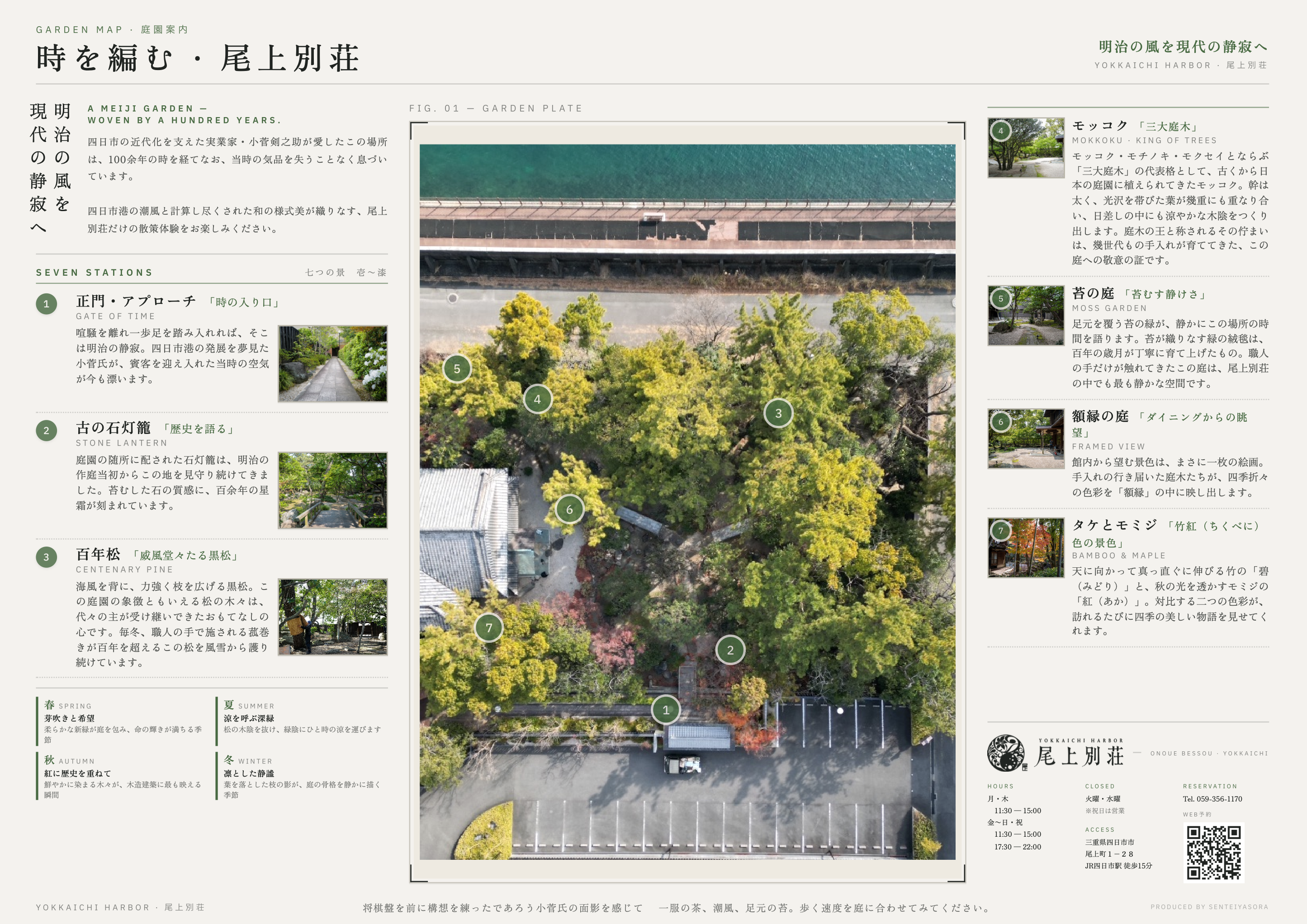
We were asked to produce a garden map for tour visitors. The map identifies the main plantings and stone elements, and provides context for what they represent in a Meiji-era garden.
Making it required us to articulate what we have been doing in this garden across years of maintenance — what we preserve, why, and how the different elements relate to each other.
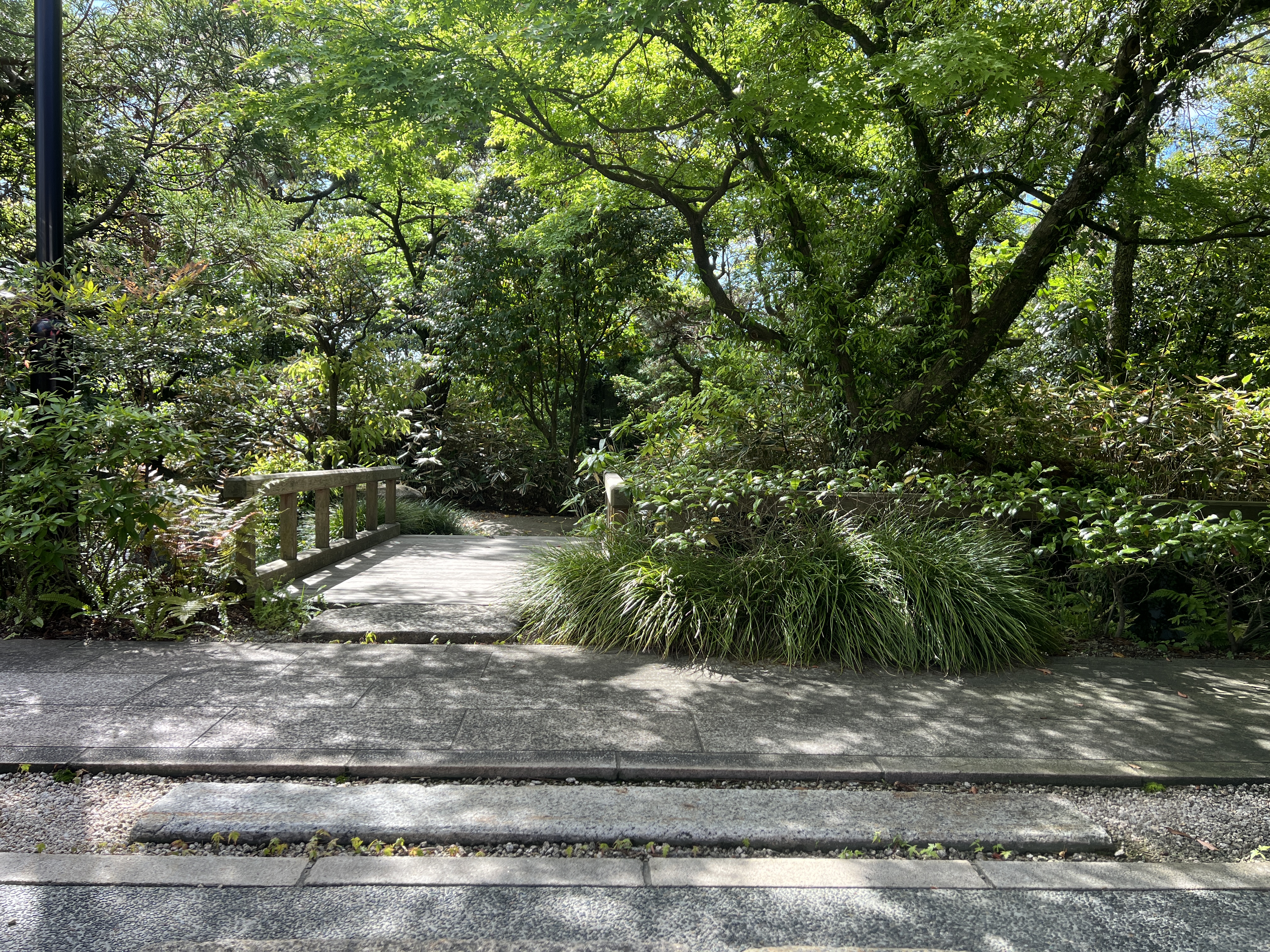
What a garden manager contributes is usually invisible: branches removed before they become a problem, soil kept in condition, structure maintained across seasons. A map makes some of that visible.
A garden managed for 126 years holds decisions made by many hands. Our role is to read those decisions, continue what was right, and leave something that future managers can continue in turn.
Frequently Asked Questions
Q. Is Onoebessou open to visitors?
A. The garden is accessible through the restaurant, which serves modern French cuisine. Reservations are recommended. Special tours like Inakomo create opportunities to explore the grounds with guided context.
Q. What is a manbo water channel?
A. A manbo is a traditional underground irrigation system developed in the Hokusei area of northern Mie Prefecture during the late Edo period. Unlike surface channels, manbo tunnels are dug horizontally into hillsides to tap groundwater directly, which flows by gravity and remains consistent year-round. Several intact manbo systems still exist in Mie, some still used for agriculture.
Q. What plants make up the garden at Onoebessou?
A. The main plantings include Japanese black pine (Pinus thunbergii), Ternstroemia gymnanthera (mokoku), Ilex integra (mochinoki), and moss ground cover. Stone lanterns and stepping stones complete the design — a Meiji-era aesthetic in which the garden was conceived as a composed view from inside the building.
Senteiya Sora is a certified tree care and landscaping company based in Komono-cho, Mie Prefecture, Japan.

Senteiya Sora is a Google News verified media source.