Bamboo Charcoal vs. Wood Charcoal — Differences in Structure, Use, and Soil Application

Updated: May 4
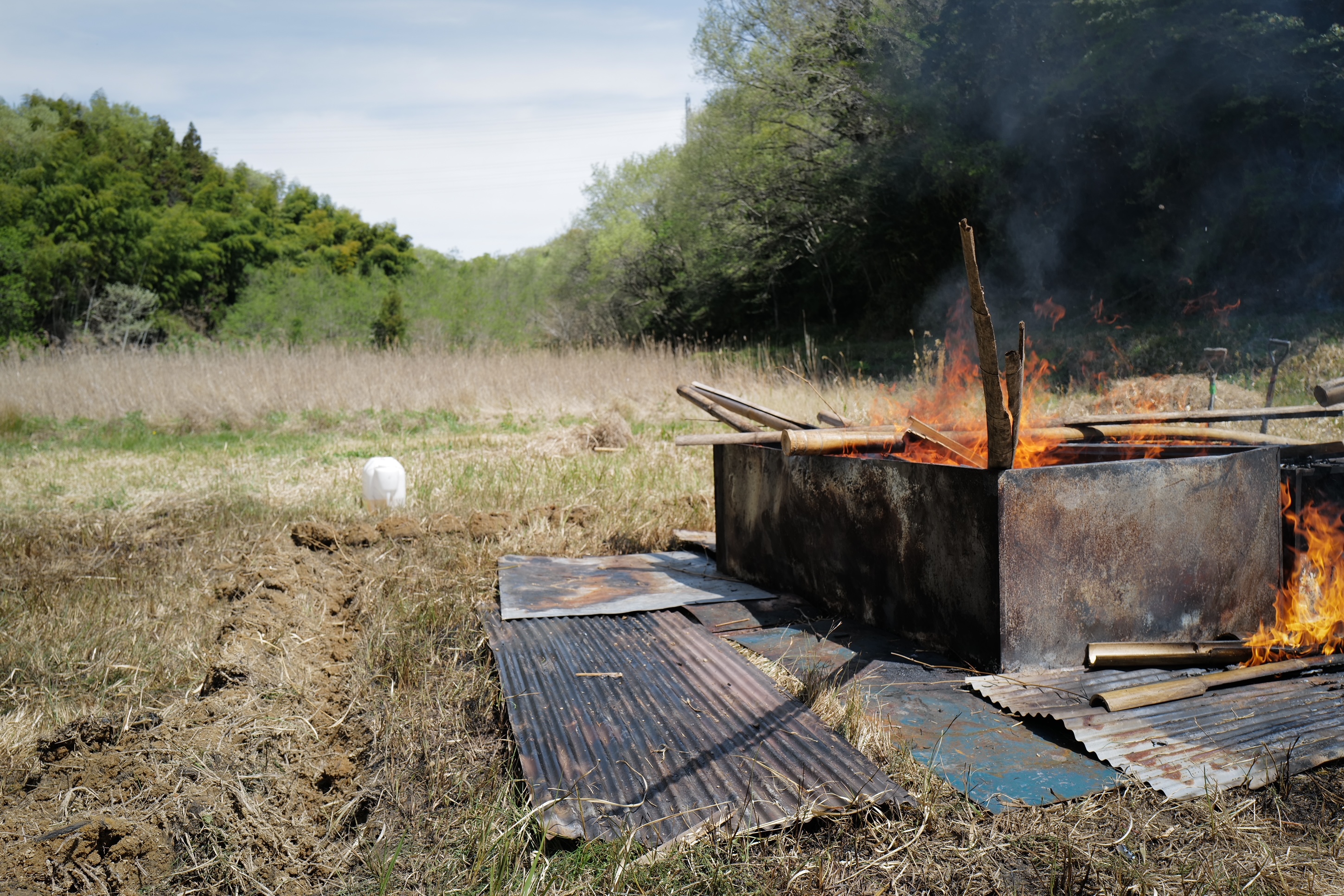
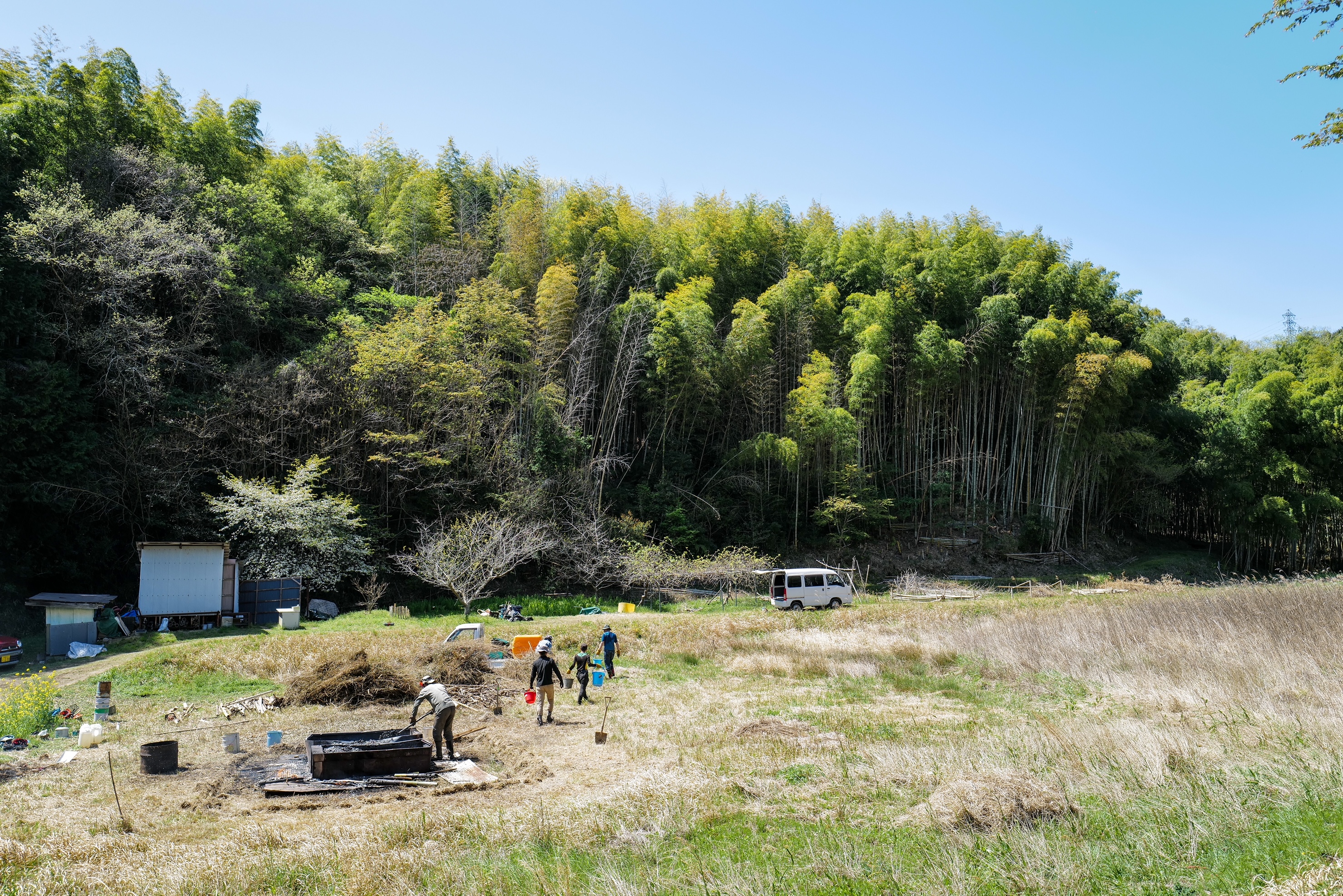
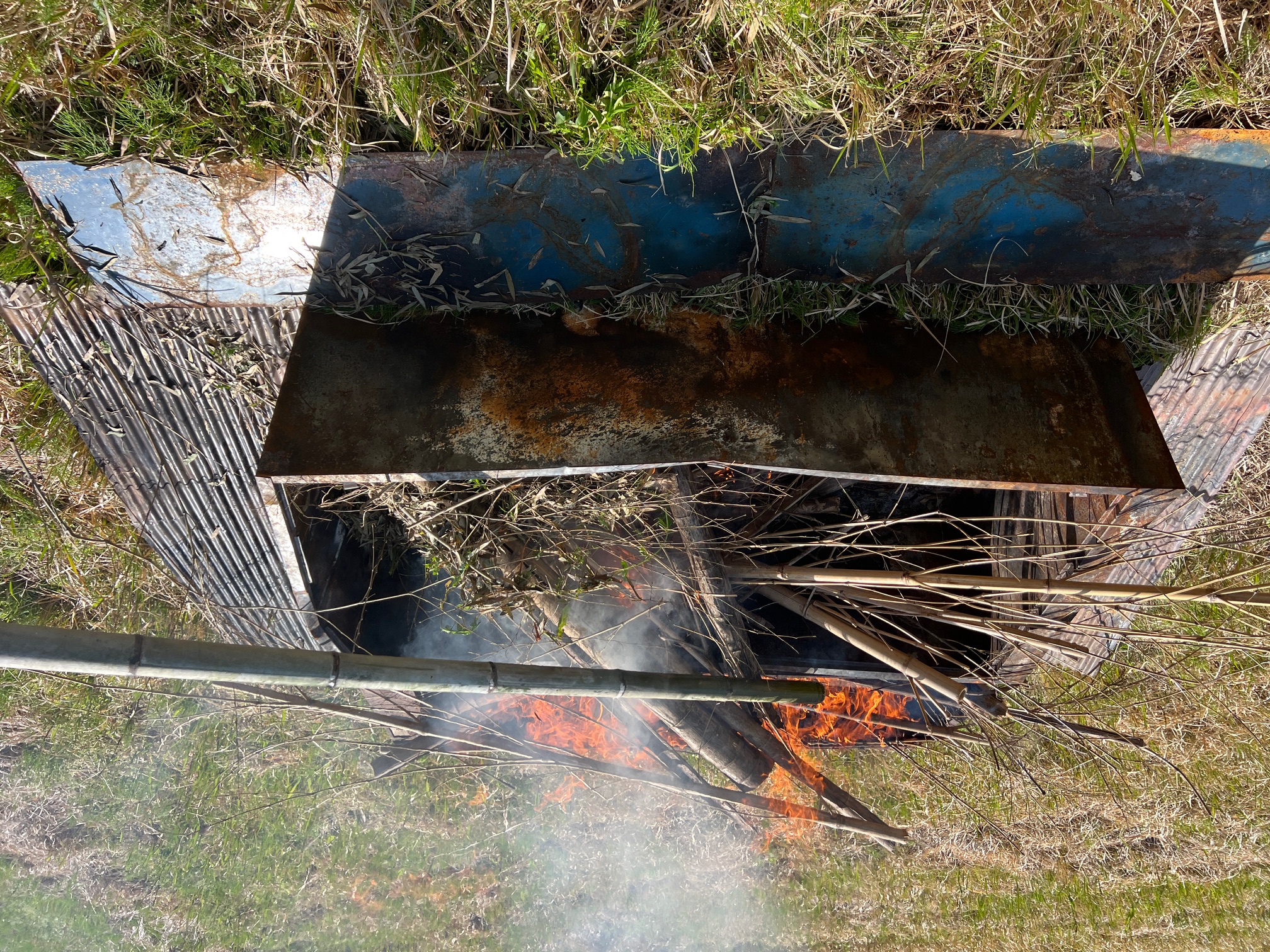
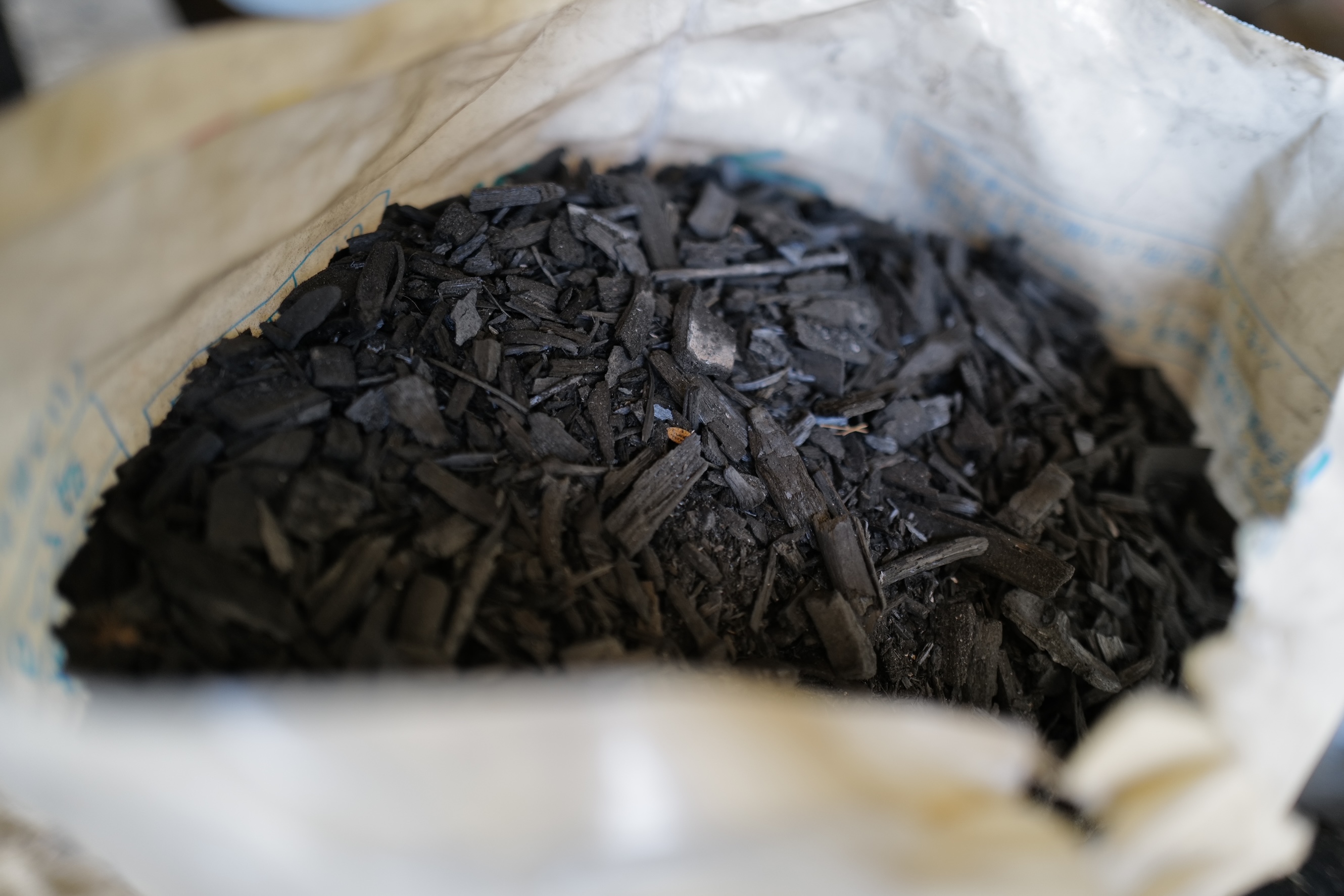
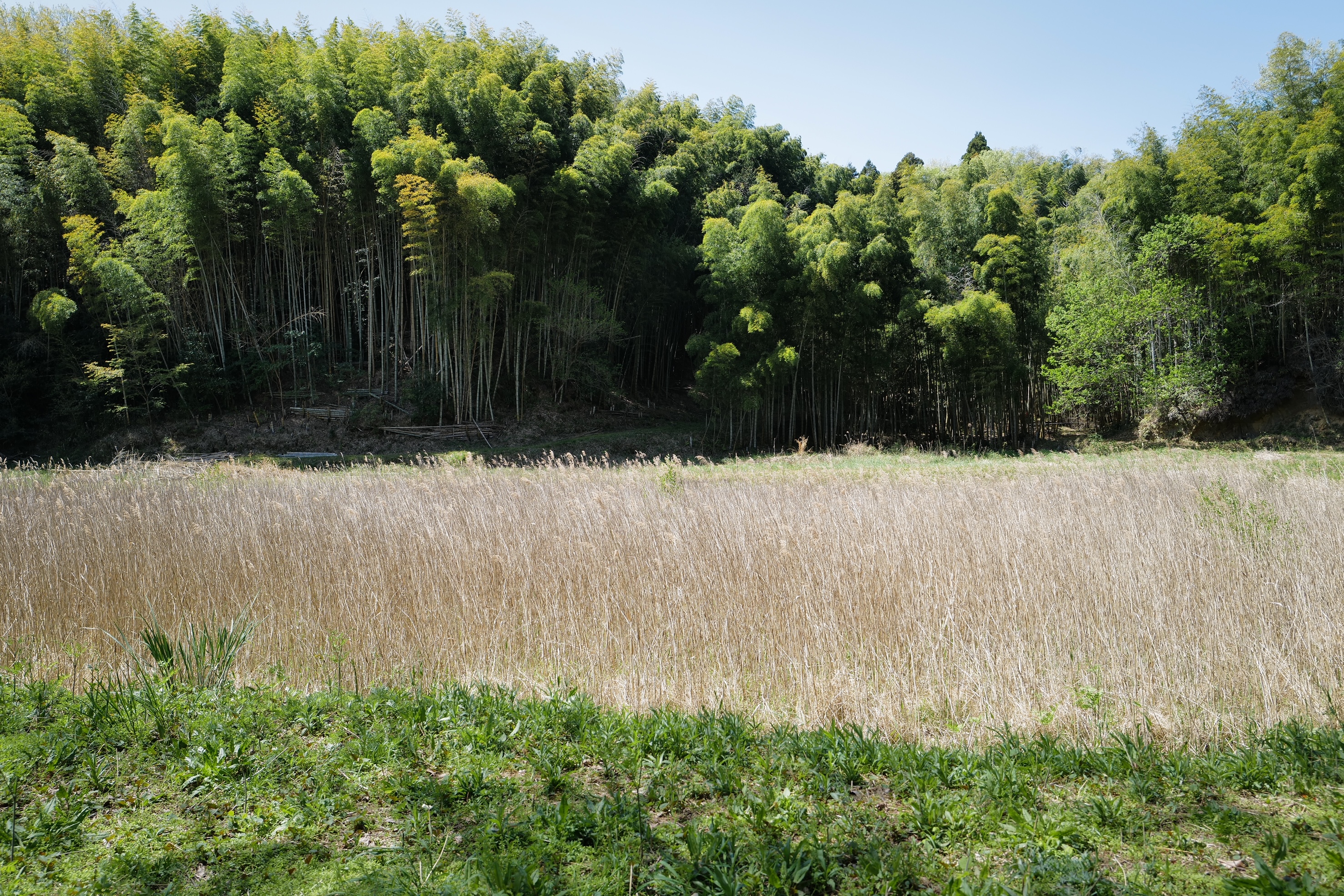
We made bamboo charcoal in Suzuka — a small-scale burn using madake bamboo culms from a site we manage. The process is straightforward in principle: seal the bamboo in a kiln with limited oxygen, apply heat, and the organic material carbonizes rather than combusting. The result is a lightweight, highly porous black solid.
What is the difference between bamboo charcoal and wood charcoal? The question comes up often, and the answer is more interesting than a simple comparison of properties.
Structural Differences
Both bamboo charcoal and wood charcoal are forms of biochar — carbon-rich material produced by pyrolysis of organic matter. Their differences begin with the structure of their source material.
Bamboo is a grass, not a wood. Its vascular structure is more uniform and densely packed than typical hardwoods. When carbonized, bamboo produces charcoal with higher surface area and finer pore structure than most wood chars at equivalent burn temperatures. This fine porosity is what gives bamboo charcoal its reputation for adsorption — the ability to attract and hold molecules on its surface.
Wood charcoal made from hardwoods like oak or cherry has larger, more irregular pore structure that comes from the original wood's ring-porous or diffuse-porous anatomy. The resulting charcoal is effective for water retention and general soil amendment, but differs in adsorption capacity from bamboo charcoal.
Soil Amendment Applications
Both forms of charcoal function as long-term soil amendments when properly prepared and applied. Key applications include improving drainage in heavy clay soils, increasing water retention in sandy soils, and providing habitat for beneficial soil microorganisms within the pore structure.
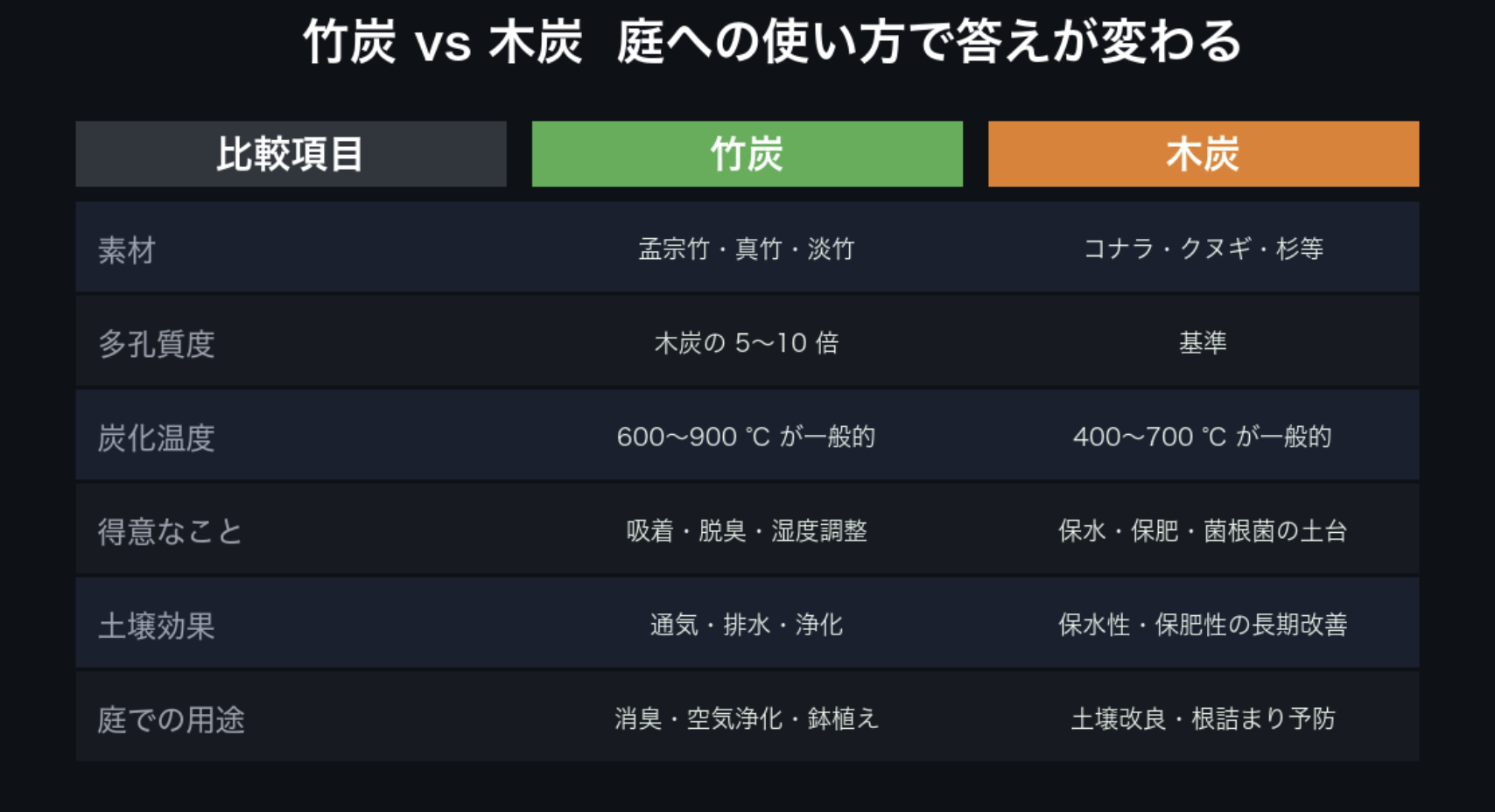
The high surface area of bamboo charcoal makes it particularly effective for adsorbing soil contaminants and excess nutrients — useful in sites with compacted, chemically imbalanced soils. Wood charcoal, with its larger pore structure, may provide more effective habitat for mycorrhizal fungi and larger soil organisms.
The Charcoal-Making Process
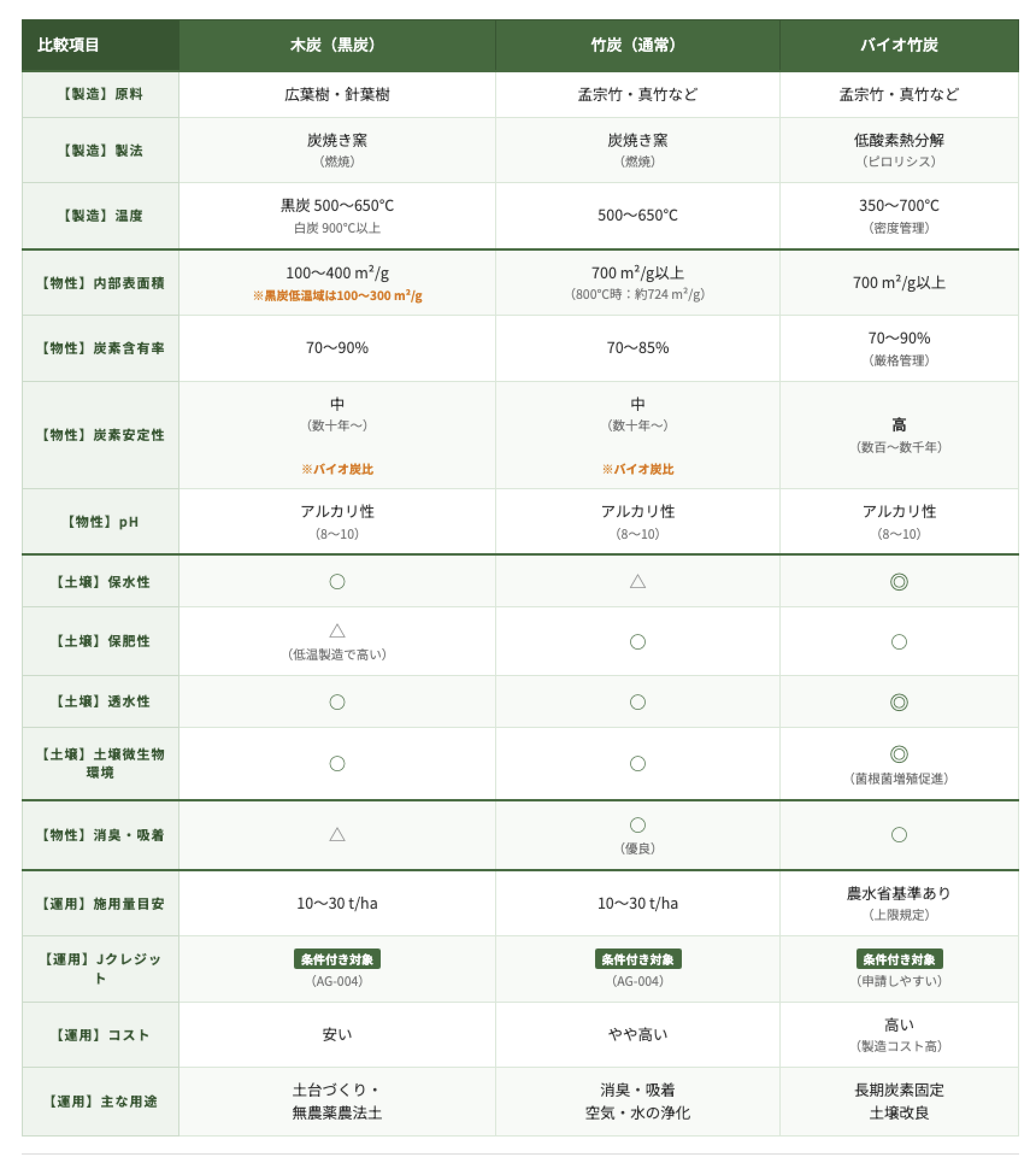
The quality of charcoal for soil use depends significantly on the carbonization temperature. Lower temperatures (below 400 degrees Celsius) produce charcoal with more residual organic compounds and volatile matter. Higher temperatures (500-700 degrees Celsius) produce more stable, fully carbonized material that persists in soil for hundreds to thousands of years.
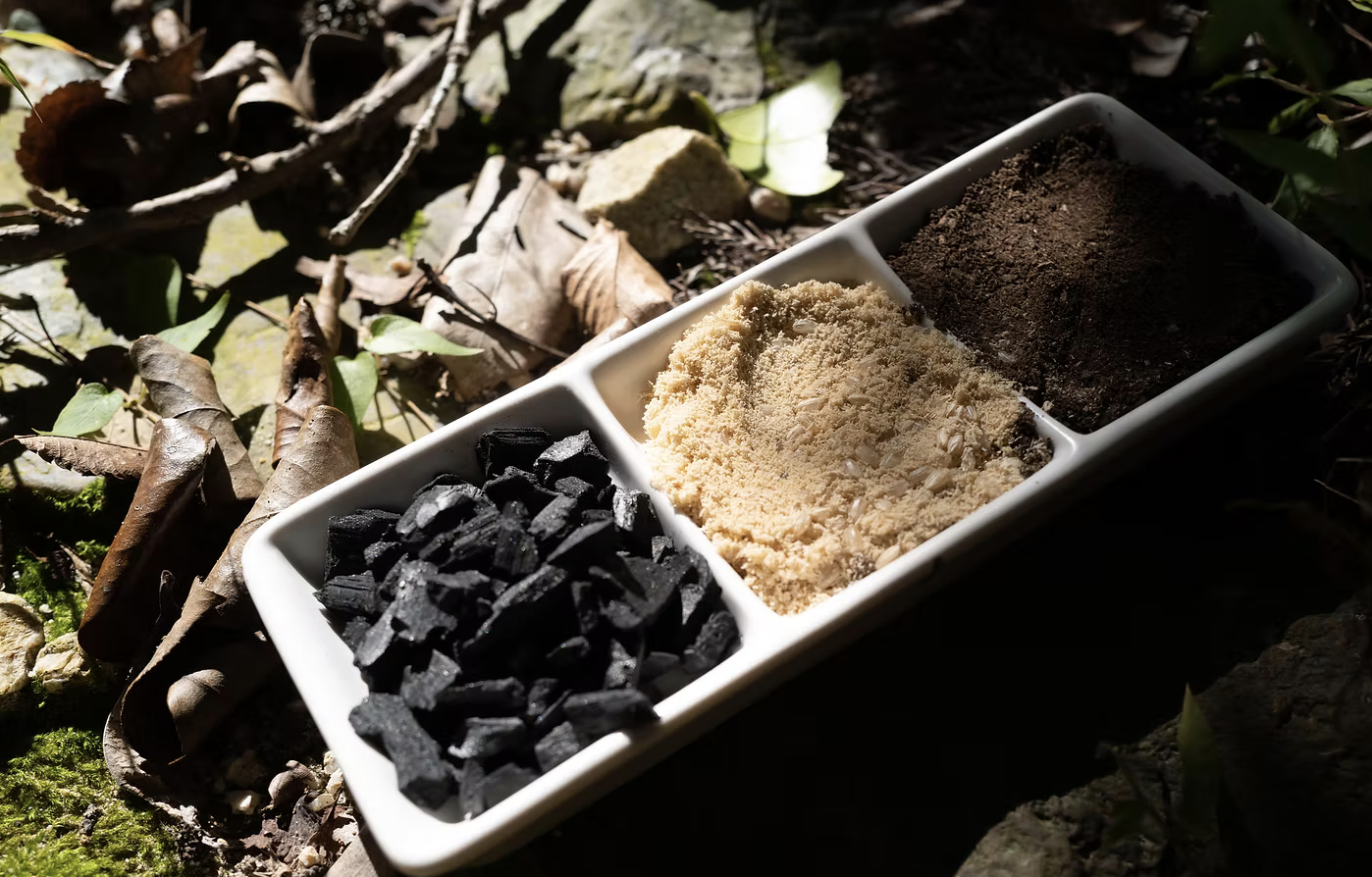
Traditional Japanese charcoal-making distinguishes between white charcoal (binchotan), where the charcoal is quenched rapidly in ash while hot, and black charcoal, which cools more slowly in the kiln. These processes affect hardness, density, and adsorption characteristics.
Frequently Asked Questions
Q: How much charcoal should I add to garden soil?
A: Application rates vary, but a common recommendation for garden soil amendment is 1 to 5 percent by volume. More is not always better — very high application rates can affect soil pH and nutrient dynamics. Starting conservatively and observing plant response over one to two seasons is advisable.
Q: Does charcoal change soil pH?
A: Generally yes — most wood and bamboo charcoals are alkaline (pH 7.5-9.5), which can raise soil pH over time when applied repeatedly. For acid-loving plants like azaleas and blueberries, this can be a problem. Testing soil pH before and after application is advisable.
Q: Can charcoal be made from any wood or bamboo?
A: Yes, with appropriate equipment. Some species produce better quality charcoal than others — dense hardwoods and bamboo produce more consistent results than soft or resinous woods. Coniferous woods (pines, cedars) are generally less suitable for soil amendment charcoal due to residual volatile compounds.