Spring Lawn Mowing and Maple Seedlings — Notes from Komono, Mie Prefecture

Updated: May 4
The lawn in Komono gets its first mowing of the spring. The grass has been growing through March — slowly at first, then more quickly as temperatures rise. By the time we arrive in April, it has reached the length where the blades are starting to lean rather than stand, which is the threshold at which mowing makes a visual difference.
There is always a moment when the lawn shifts from unkempt to tended, and it happens quickly — the first mowing of spring does more visual work than any subsequent cut through the season, because the gap between before and after is at its widest.
Maple Seedlings in the Beds
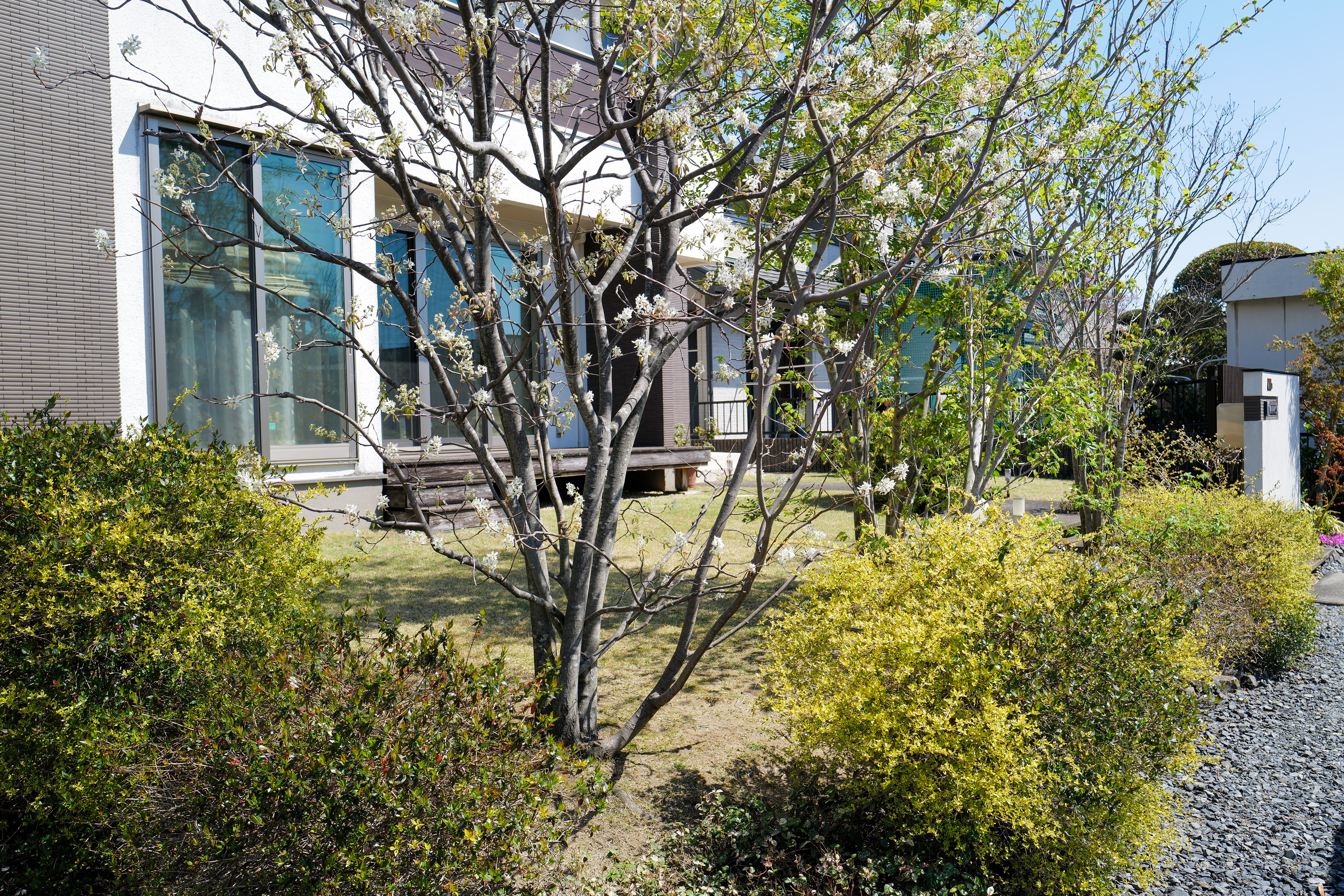
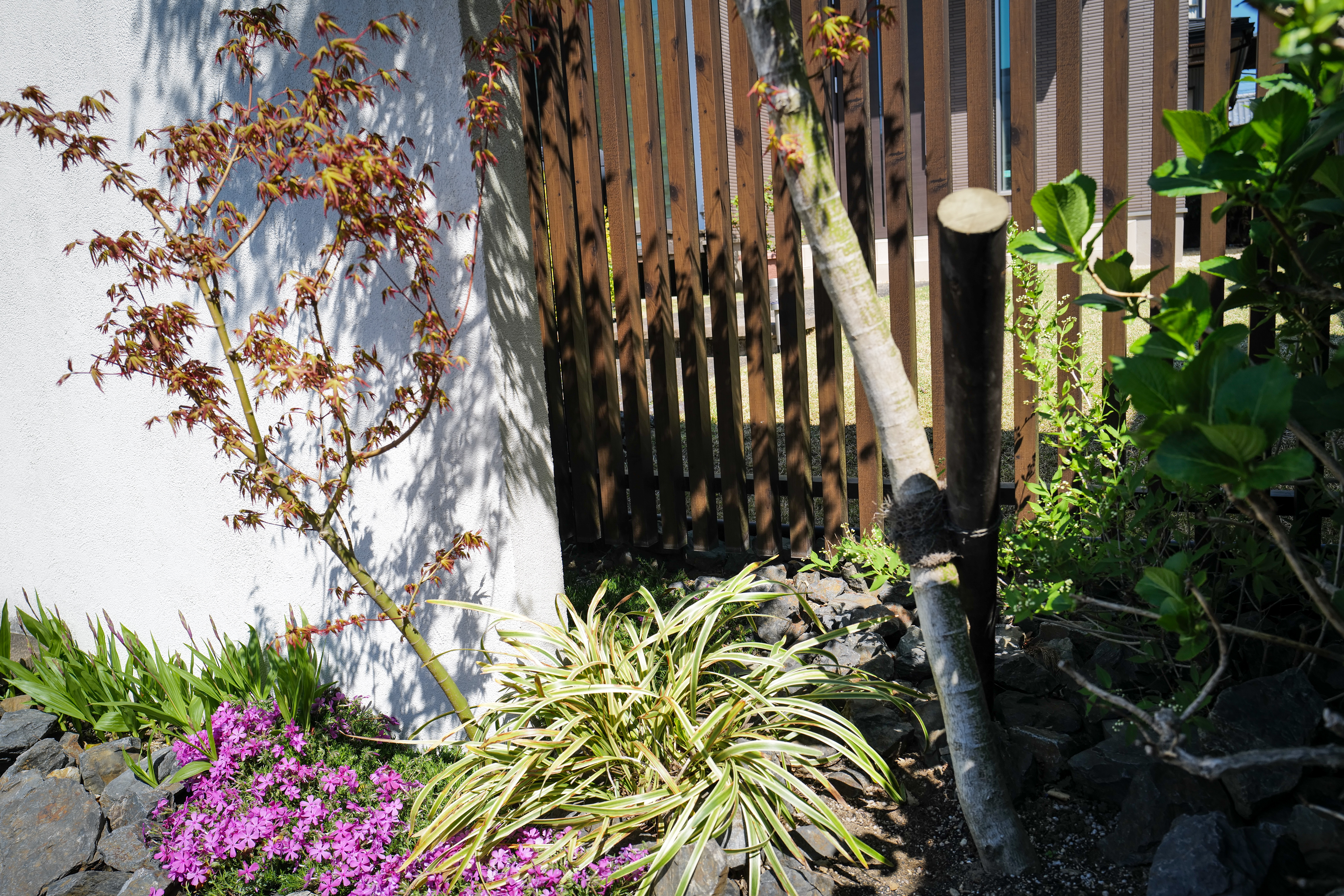
The maple in the center of this garden produces seeds every autumn. By spring, they have germinated throughout the planting beds — sometimes dozens of seedlings, each with the paired cotyledon leaves and the beginning of the distinctive maple leaf shape.
This is a decision point that comes every spring: which to remove, which to leave. The answer depends on the garden's design intent and the long-term view of what the space should become. Volunteer seedlings in the wrong location will eventually create problems — crowding other plants, growing toward structures, or simply being the wrong plant for that position. Removed early, they cause no damage. Left, they require more work later.
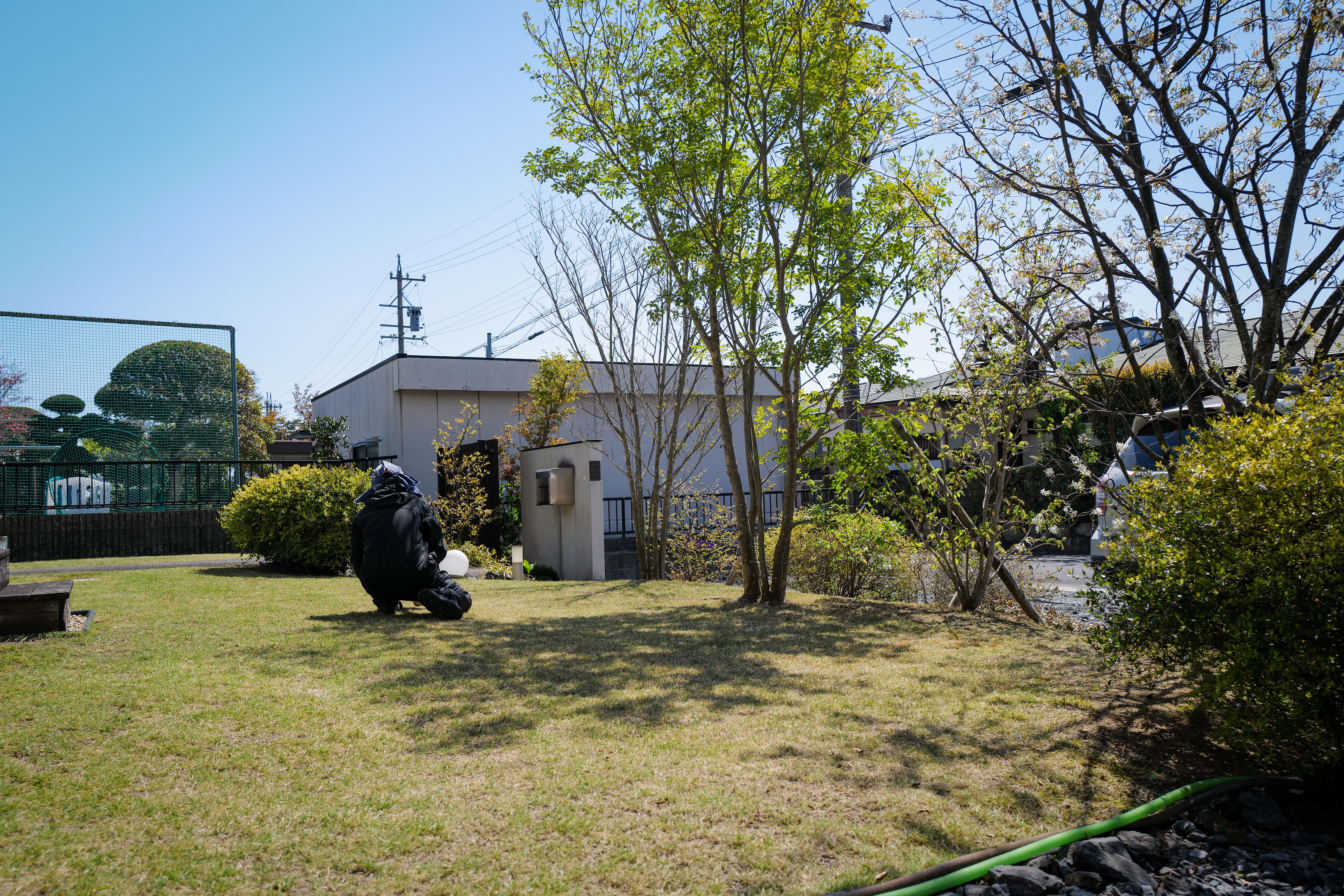
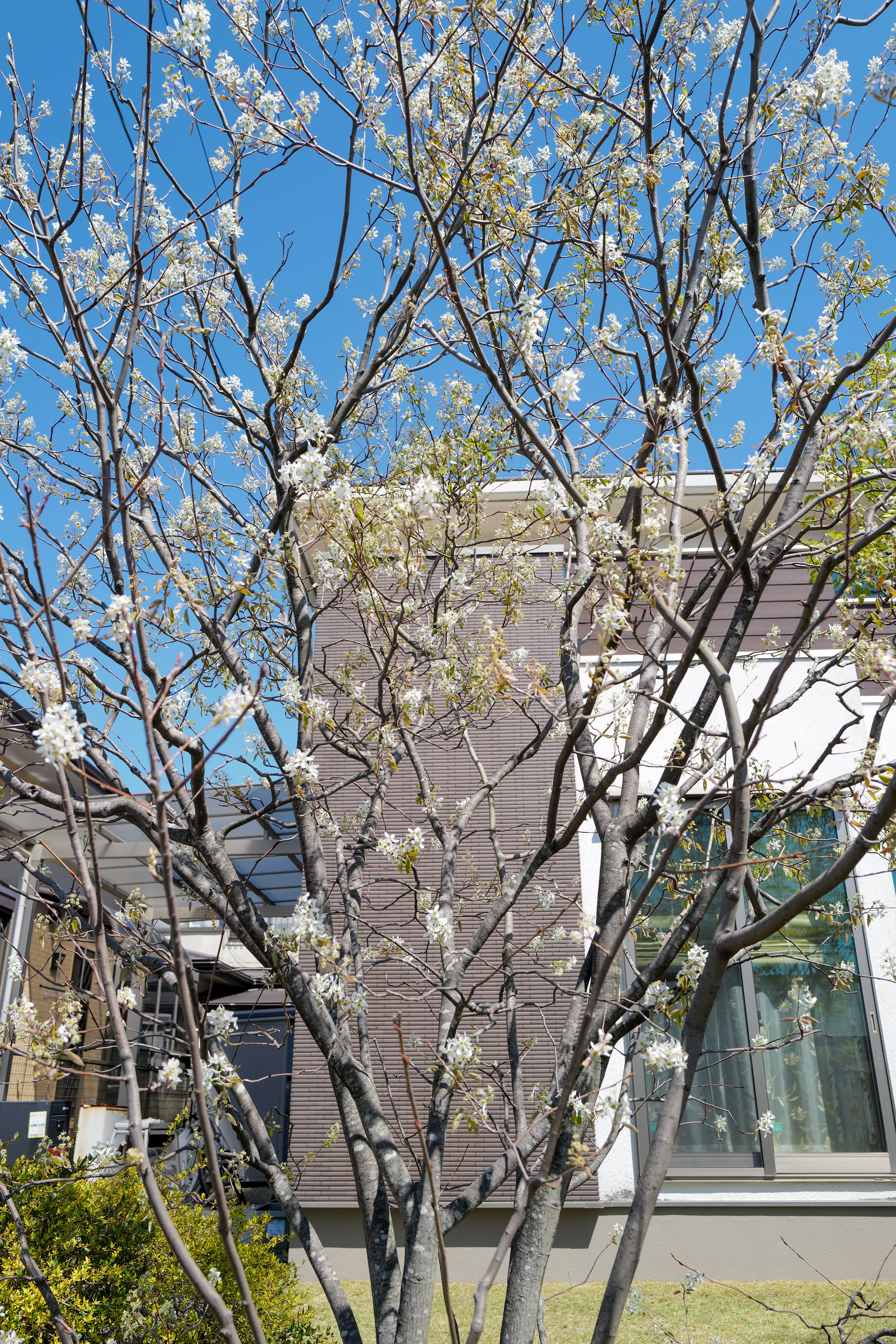
But sometimes a seedling appears in exactly the right place. That particular spring light, that particular spot, the right amount of space around it. The decision to leave it and watch is a legitimate one. The garden's future is not only planned — some of it simply arrives.
Timing Spring Lawn Care
For warm-season grasses like zoysia (the most common turf grass in Japanese gardens), the growing season begins when soil temperatures consistently exceed 15 degrees Celsius. In central Mie Prefecture, this is typically April. Mowing before the grass is actively growing can stress the turf; waiting too long allows it to become too thick to cut cleanly in one pass.
The first mowing of spring should be set slightly higher than subsequent summer cuts — this avoids scalping turf that has not yet fully recovered from winter. As the season progresses and the grass thickens, the height can be reduced to the standard maintenance setting.
Frequently Asked Questions
Q: How often should a Japanese garden lawn be mowed in spring?
A: For zoysia grass, every two to three weeks during active growth is appropriate. In the peak of the growing season (June-August), weekly mowing may be needed. Spring mowing frequency increases gradually as growth accelerates.
Q: What should I do with maple seedlings in the lawn?
A: Regular mowing will keep them at bay in the turf itself. In beds and borders, hand-pulling when small is the most efficient approach. Once a volunteer maple establishes a root system of significant size, removal requires more effort and is more disruptive to surrounding plants.
Q: Is it worth keeping a volunteer maple?
A: Sometimes. If the seedling has appeared in a location where a maple would actually work — right scale, right light, enough space — it can be a gift. Japanese gardens have always incorporated the serendipitous. The judgment is whether you want a maple in that spot, not whether that maple deserves to be there.