The Albino Cherry Blossom Sucker — A Rare Observation from an Oshima Cherry Tree

Updated: May 4
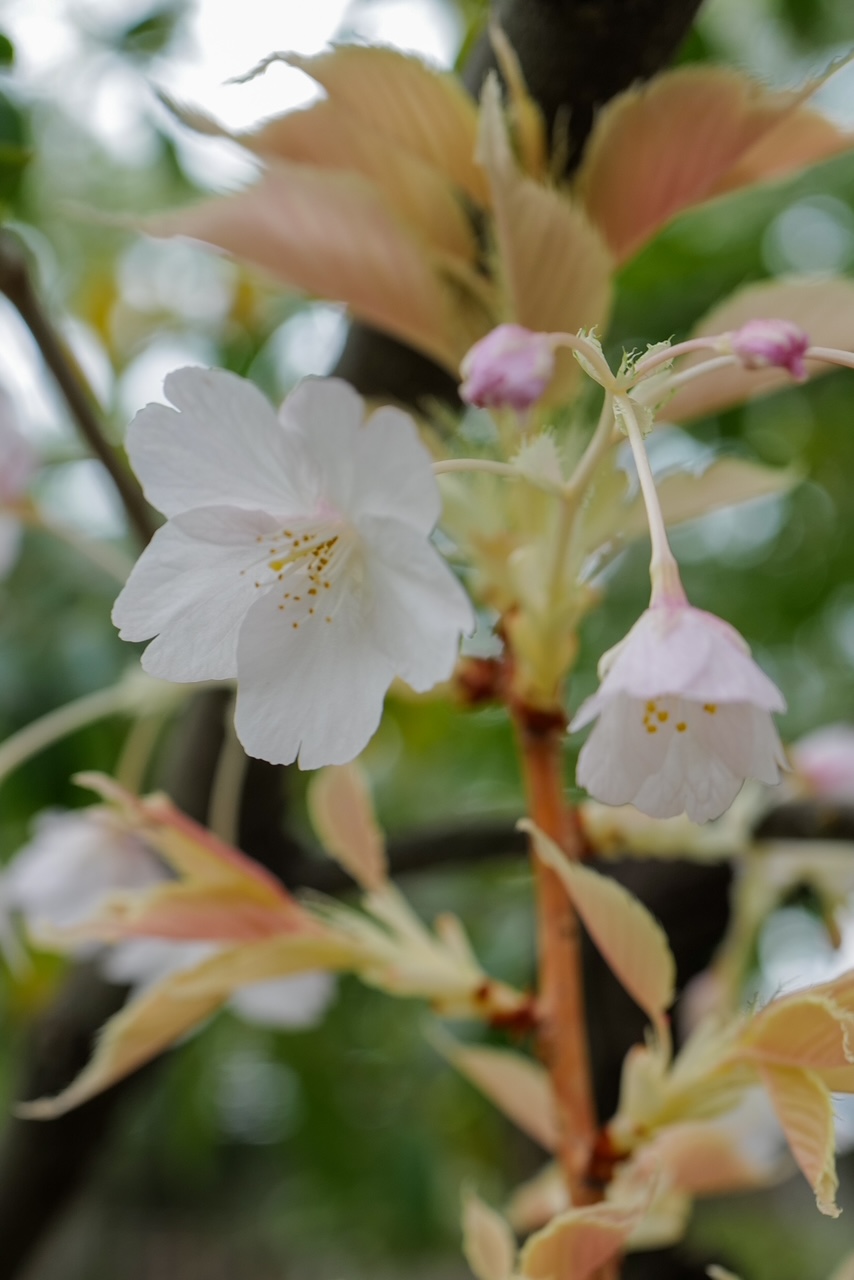
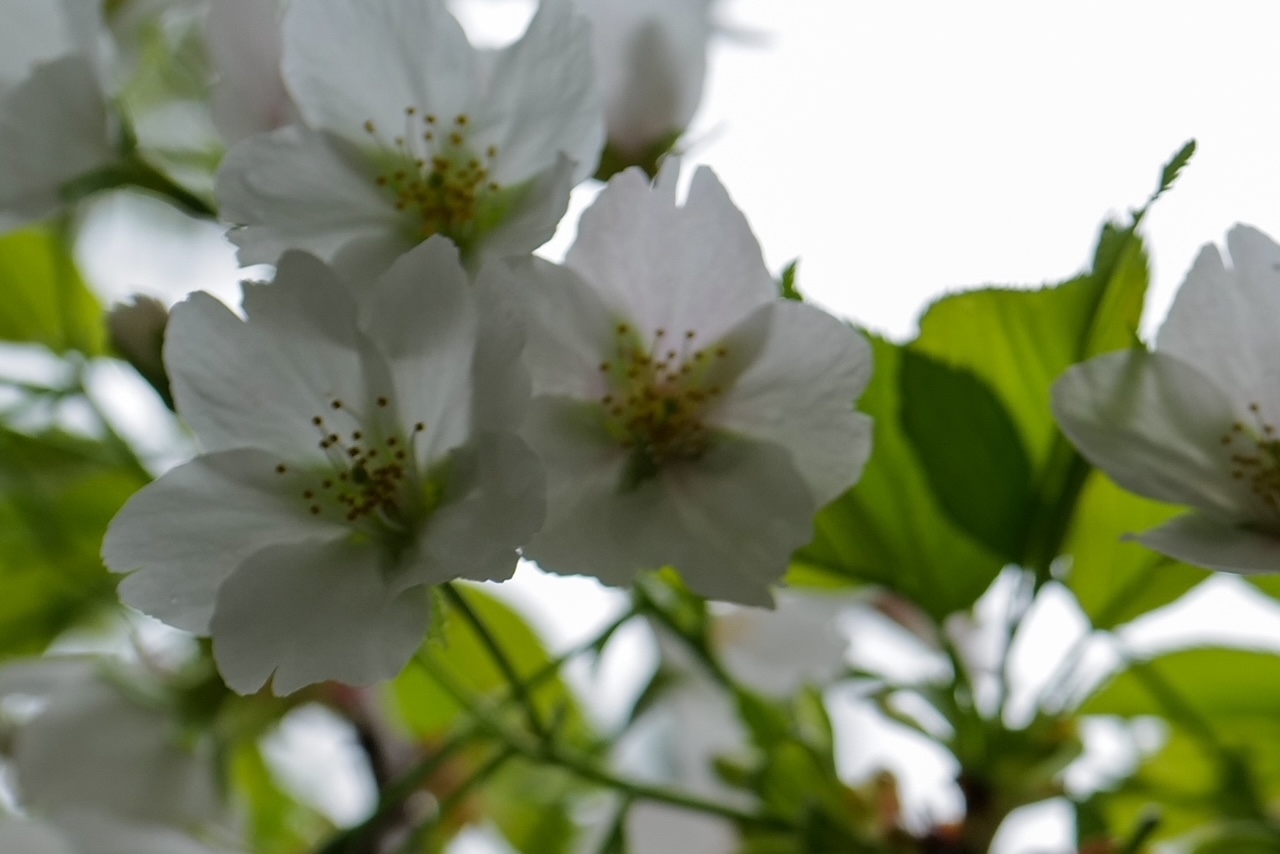
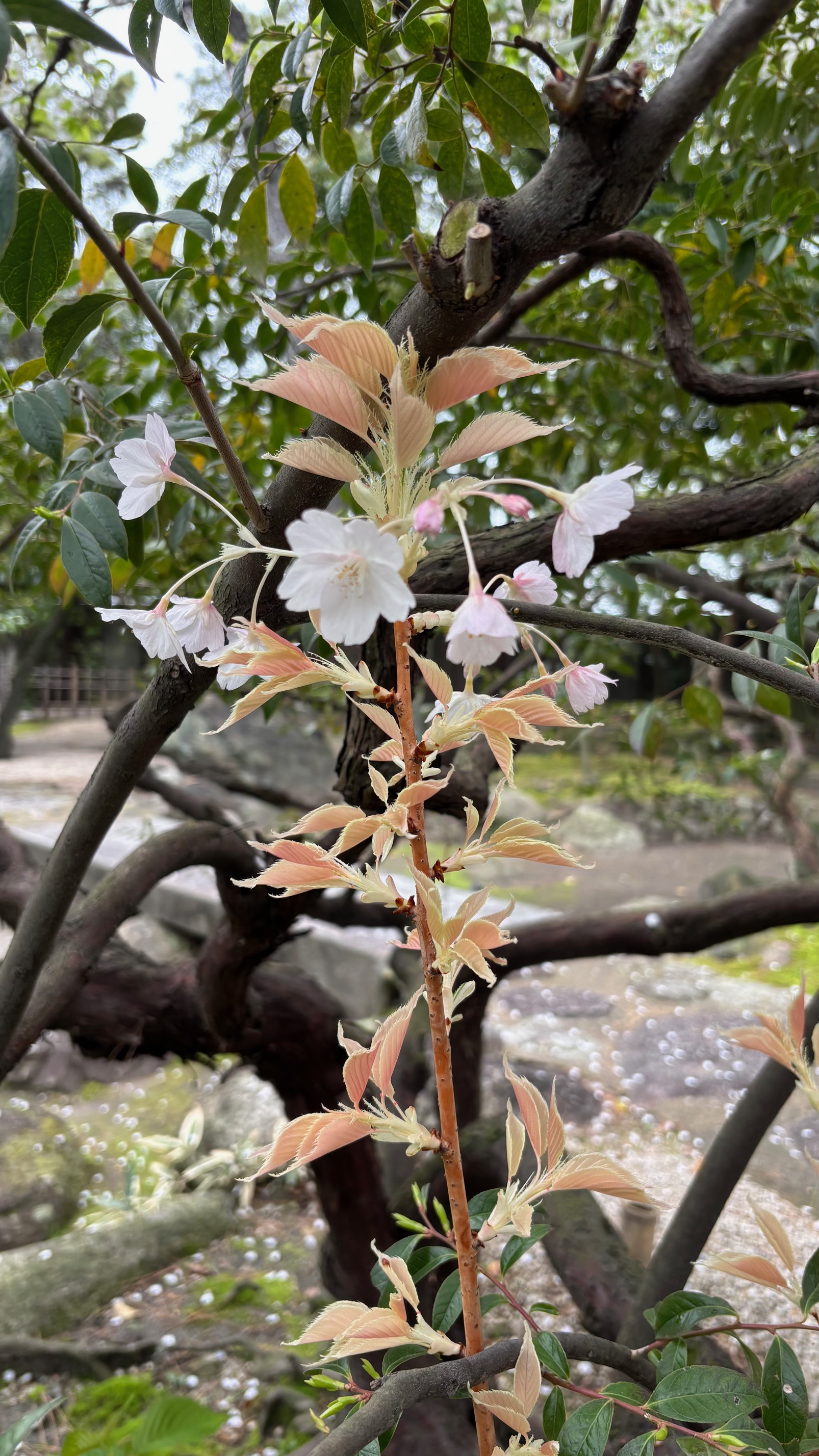
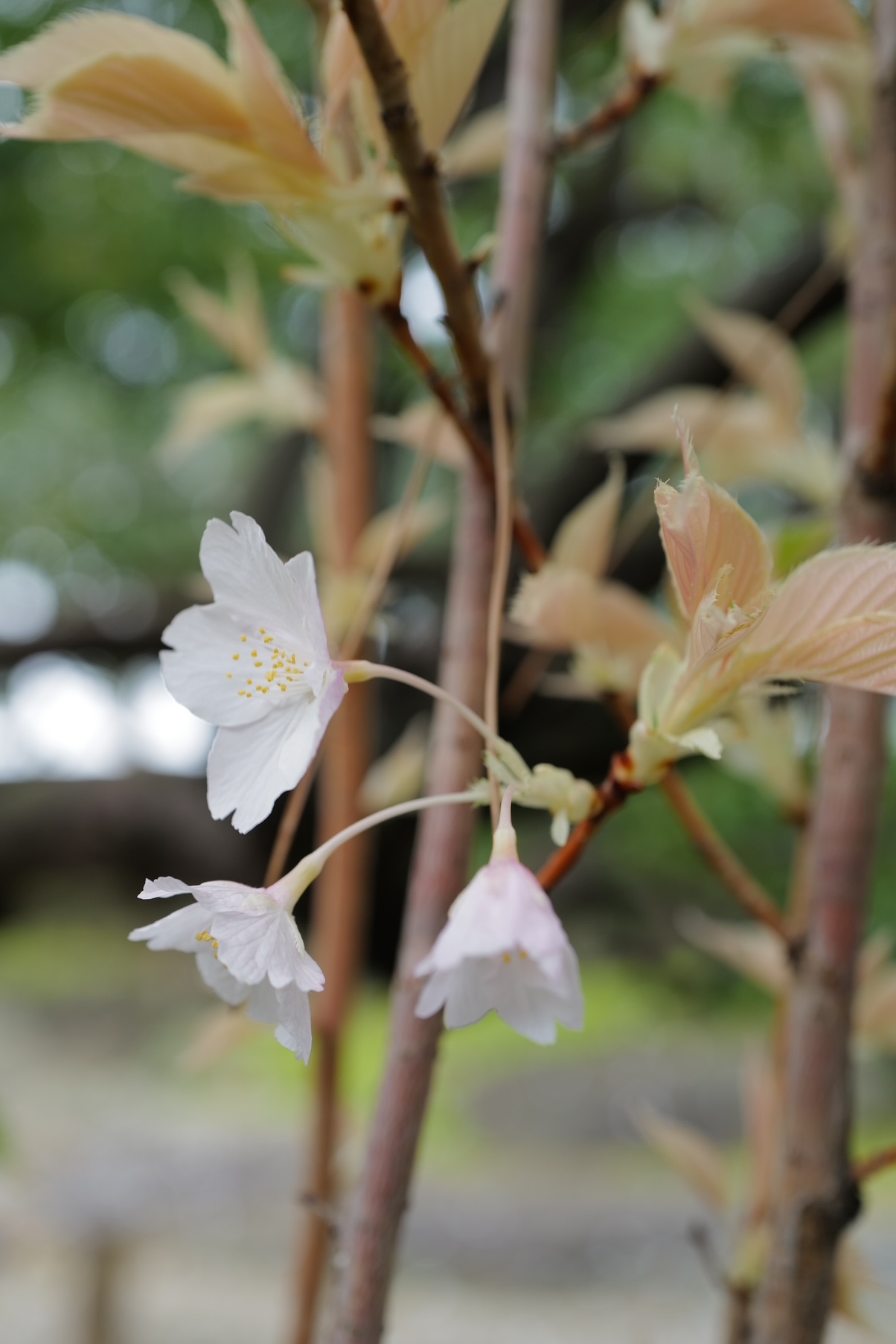
There is a question embedded in the title of this post that the question mark makes explicit: did the albino sucker actually flower? The answer is yes — which is unusual in two separate ways.
The first unusual thing: suckers — basal shoots that emerge from the root system or lower trunk of a tree — do not usually flower. They are vegetative growth, and reaching the developmental stage at which flower buds form typically requires years of growth and the hormonal signals that come with trunk maturation. A sucker that flowers is already uncommon.
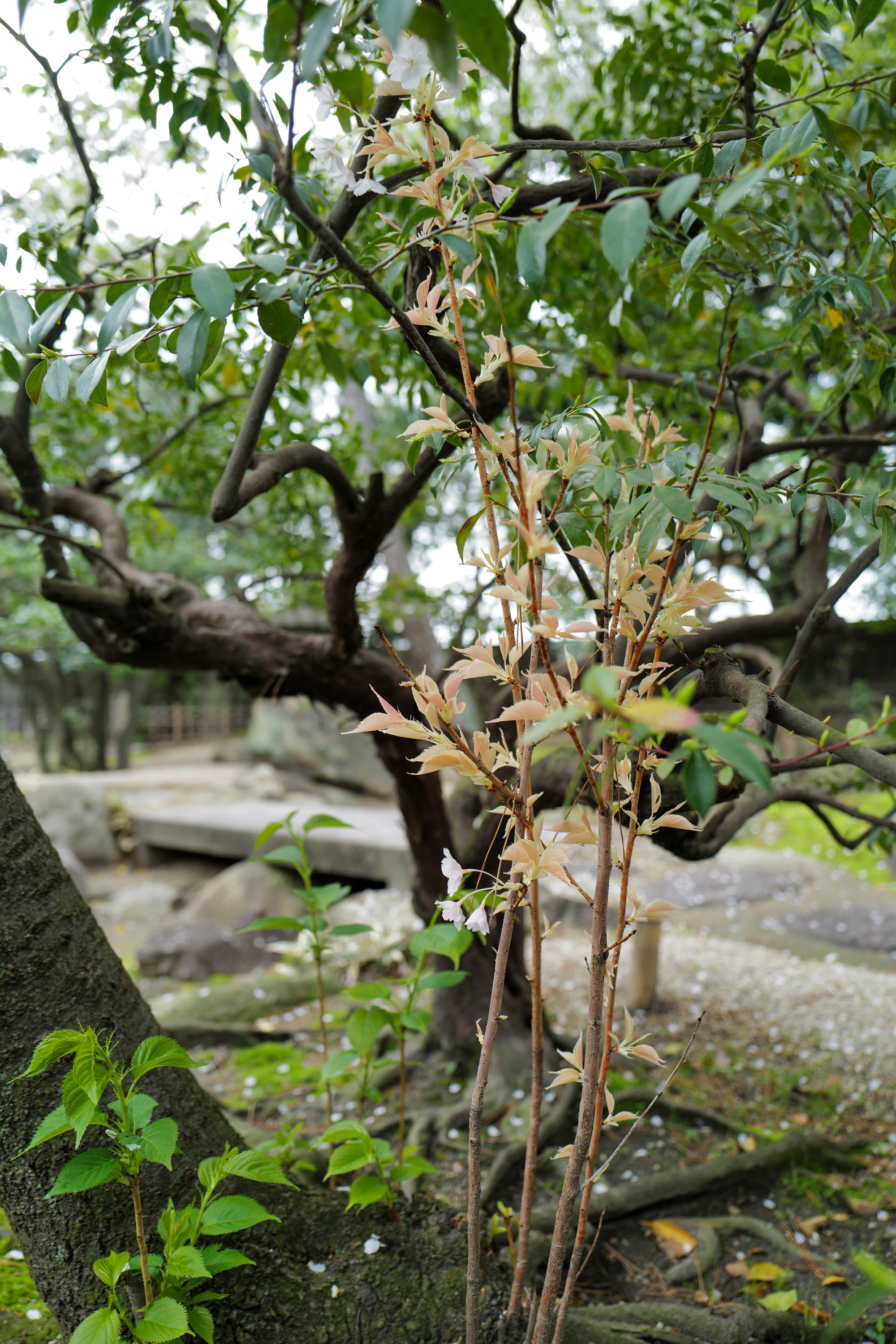
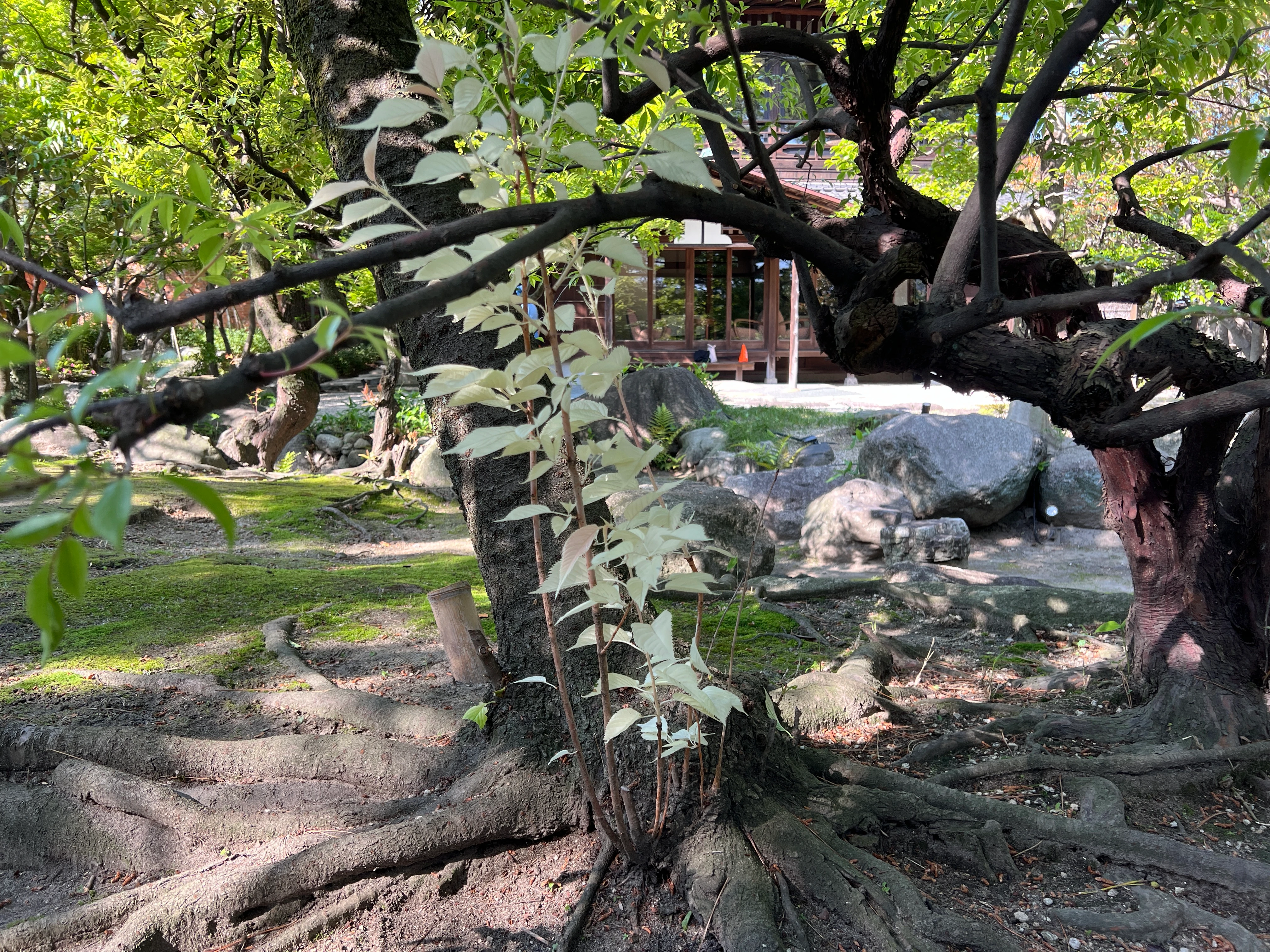
The second unusual thing: this sucker was partially albino. Its leaves showed white and pale yellow patterning instead of green — evidence of chlorophyll deficiency in some proportion of its cells.
What Albinism Means in Plants
Plant albinism — the partial or complete absence of chlorophyll — is not the same as animal albinism, though the term is applied to both. In plants, chlorophyll is essential for photosynthesis. A plant that cannot produce chlorophyll cannot produce energy from sunlight and is dependent on connected tissues for carbon.
Fully albino seedlings — white from the first leaves — cannot survive independently because they cannot photosynthesize. They live for a short time, supported by the seed's stored nutrients, and then die.
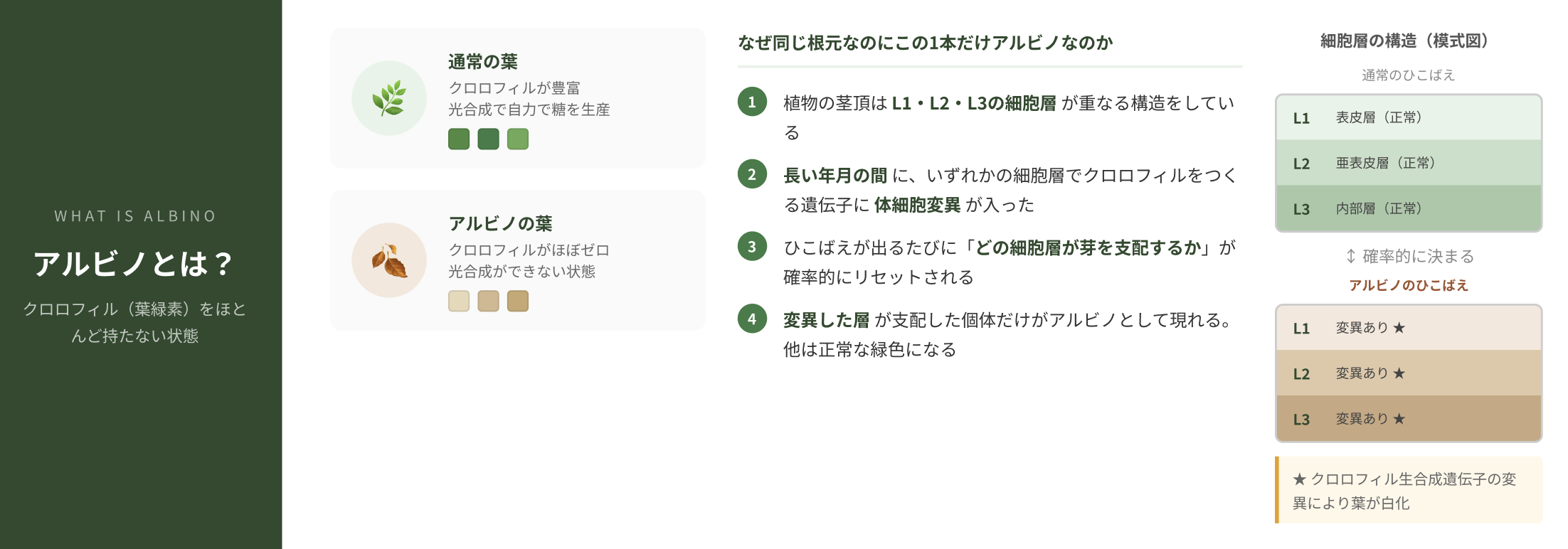
Partial albinism in a sucker or variegated plant is different: if sufficient chlorophyll-containing cells are present, or if the plant is connected to a root system that provides carbon from photosynthesizing tissue elsewhere, it can survive. In this case, the sucker is connected to the Oshima cherry's root system — which explains both how it has grown large enough to flower and why its chlorophyll-deficient cells have not been immediately fatal to the shoot.
The Oshima Cherry
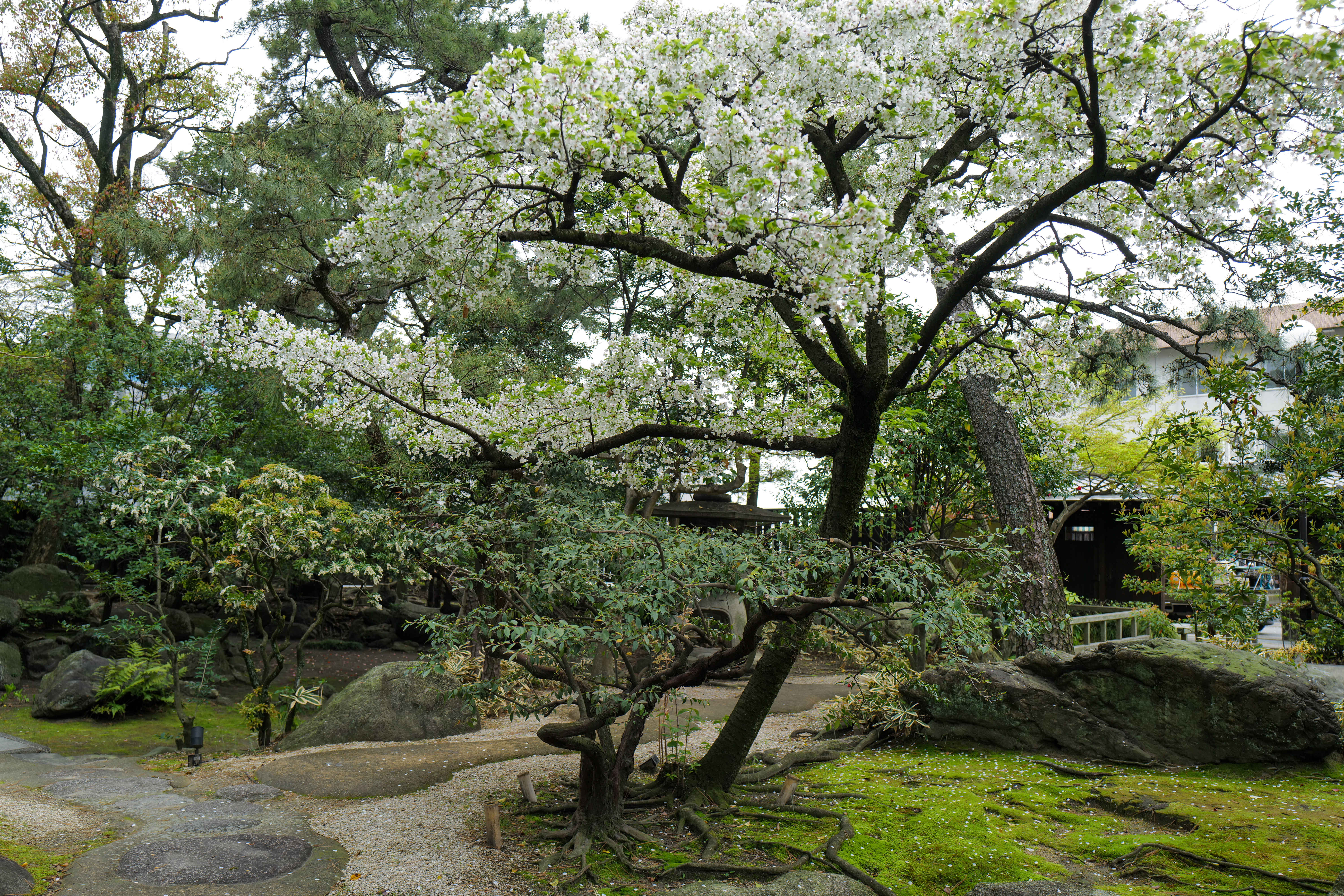
Oshima cherry (Prunus speciosa) is one of Japan's native cherry species and one of the parent species of Somei Yoshino, the cultivated cherry most commonly planted throughout Japan. It is native to Oshima Island and parts of the Izu Peninsula, and naturalized elsewhere. The species is notable for producing large white flowers and for its leaves, which are used in traditional Japanese confectionery to wrap cherry-leaf rice cakes (sakuramochi).
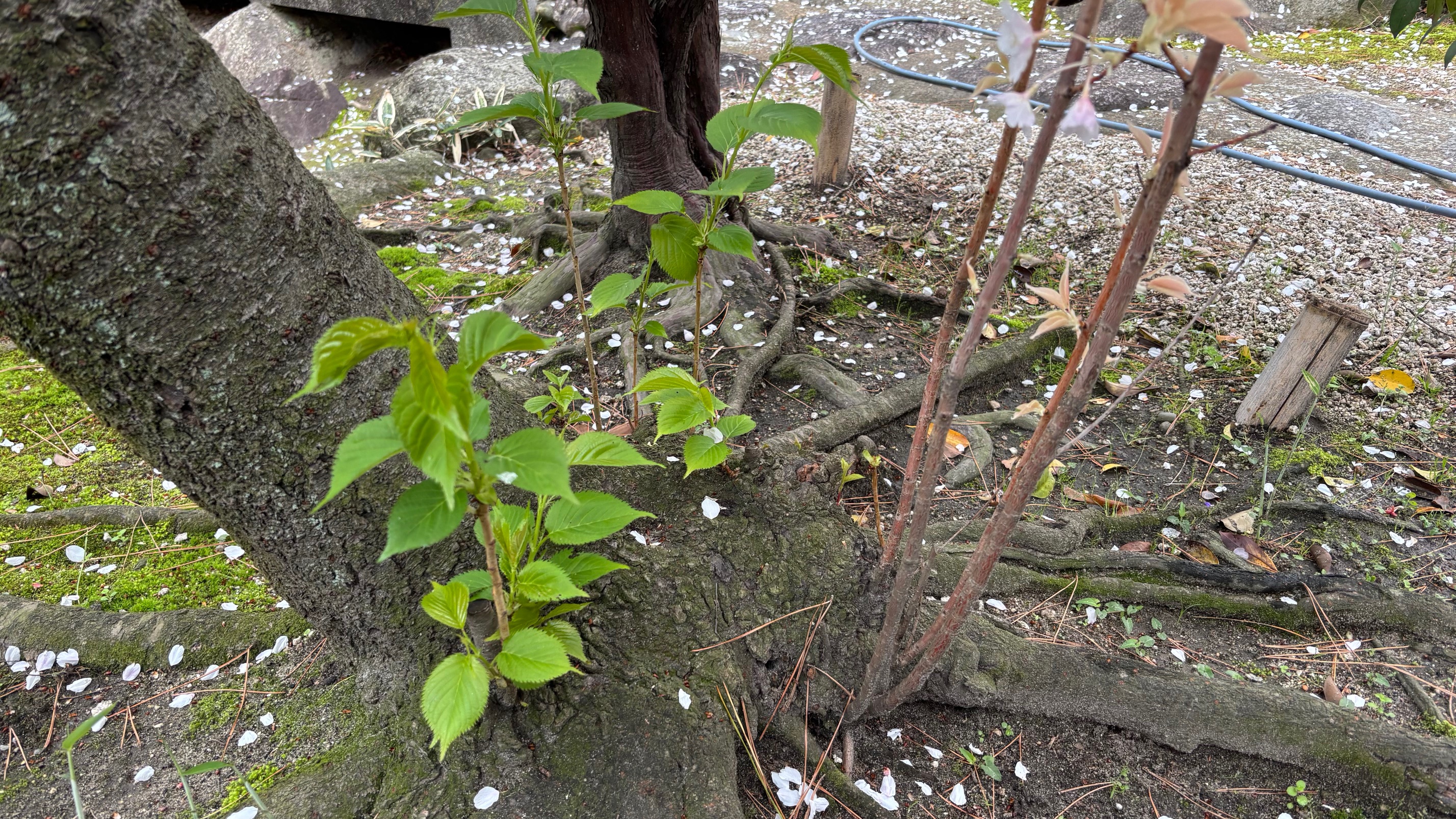
Suckers from cherry trees are common. Most are removed to prevent them from drawing resources from the main tree. This particular sucker was observed rather than immediately removed — which is how the albino flowering was documented.
Frequently Asked Questions
Q: Can an albino cherry sucker survive long-term?
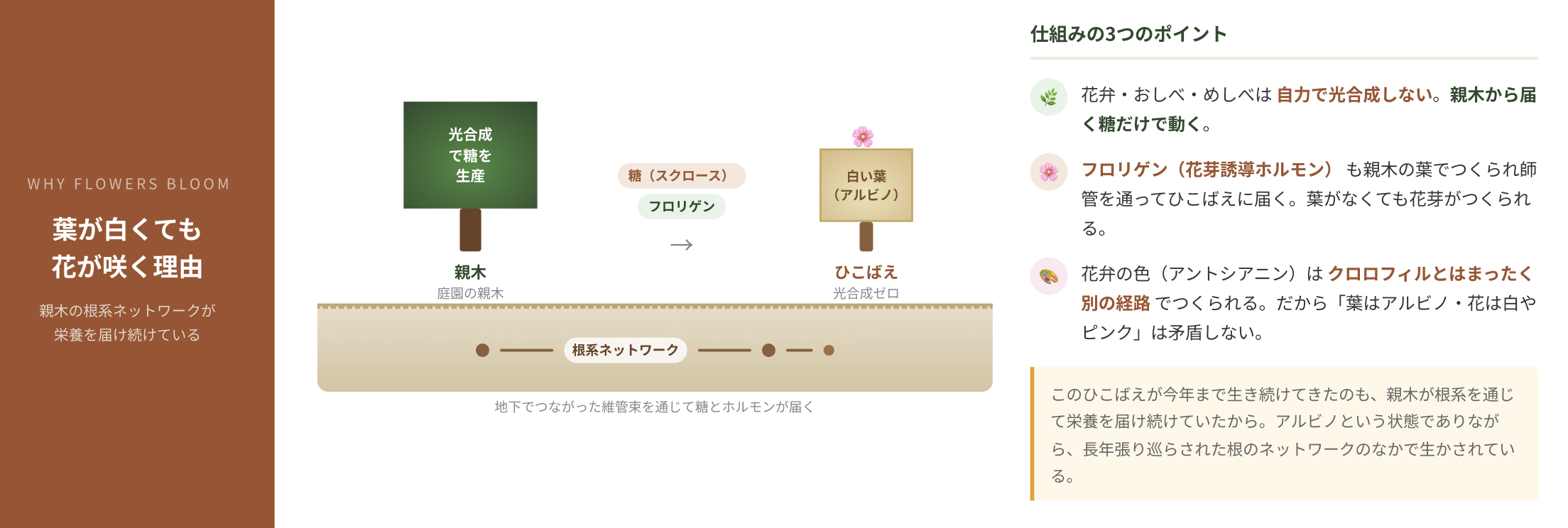
A: It depends on the proportion of functional chlorophyll-producing cells and its connection to the parent root system. As an independent plant, a partially albino sucker with insufficient photosynthetic capacity would not survive. Connected to the parent root system, it may persist — but it is drawing resources without fully reciprocating, which can be a drain on the parent tree.
Q: Are albino plants cultivated intentionally?
A: Variegated plants — which include partial albinism in some of their cells — are widely cultivated as ornamentals. Examples include variegated hostas, variegated ivies, and some cultivated maples and cherries. In all cases, the plant must have sufficient green tissue to sustain itself. Full albinos are not cultivated because they cannot survive.
Q: Why do cherry trees produce suckers?
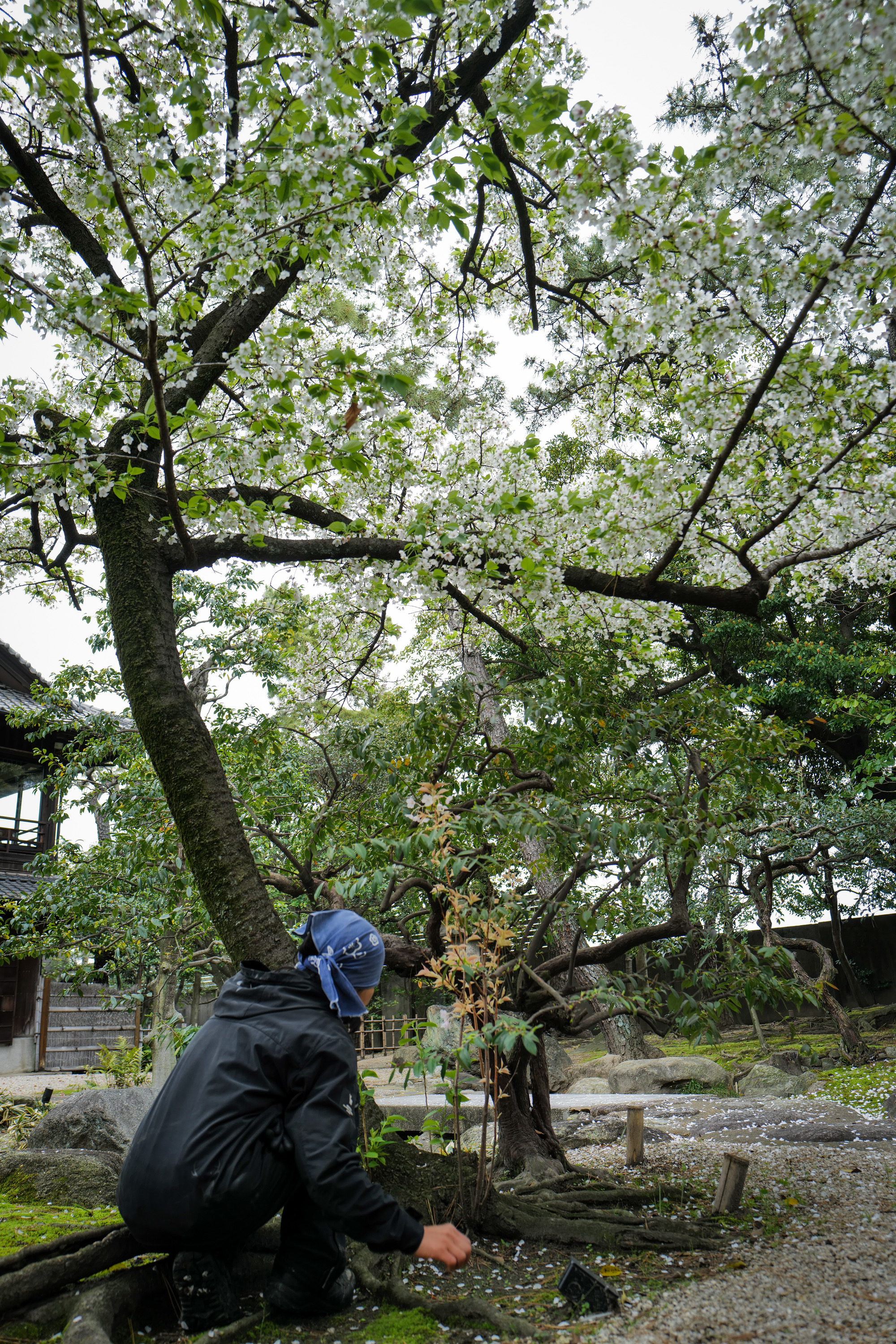
A: Suckers from the root system or root collar are a natural vegetative reproduction strategy. The tree produces genetically identical offshoots that can potentially become independent plants. In managed settings, suckers are typically removed from ornamental and fruiting trees to maintain form and prevent resource competition with the main trunk.
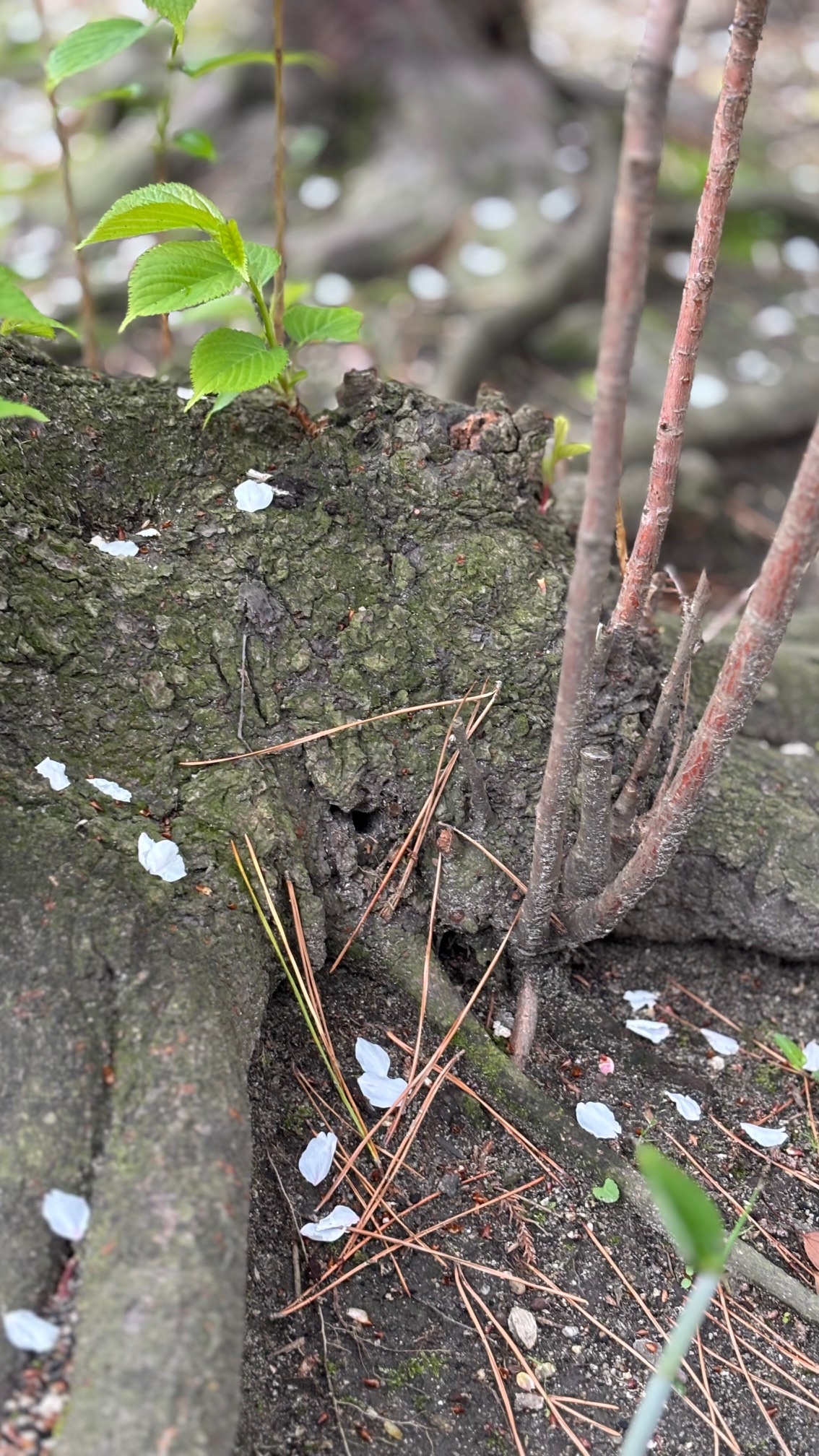
The flowering was brief — suckers have shorter bloom periods than established branches. But it was there, and now it is documented: an albino sucker from an Oshima cherry, flowering in spring 2026 in Mie Prefecture.