Gerbera Daisy Day — April 18, Flower Language, and Why Gerbera Works as a Gift

Updated: May 4
April 18 is Gerbera Day in Japan — the date chosen because 4 (go) + 18 (hachi) produces a phonetic association with the word for flower (hana, 花). The commemorative calendar in Japan is built from these phonetic connections, and Gerbera Day is one of the spring ones that has taken hold, partly because the flower itself is so well suited to gift-giving.
Gerbera originates in South Africa and was introduced to Europe and Japan through botanical collections in the 19th century. It belongs to the Asteraceae family — the same family as sunflowers and daisies — and shares that family's characteristic structure: ray florets radiating from a central disc.
The Gerbera's Visual Logic
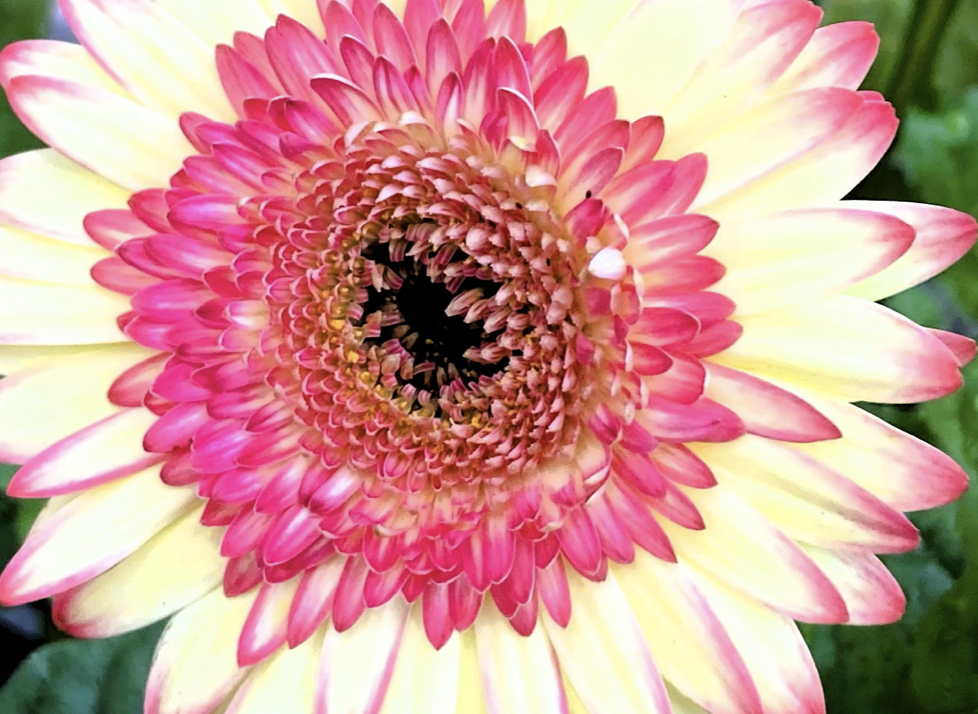
The gerbera is a direct flower. It does not layer or hide — it faces outward, flat and open, with no ambiguity about what it is presenting. This directness is probably why it works so well as a cut flower in arrangements: it reads clearly from a distance, holds its shape well, and does not compete visually with surrounding flowers. A single gerbera in a vase is effective. Multiple gerberas together are more so.
The range of colors available in cut gerberas is exceptionally wide: white, cream, yellow, orange, salmon, pink, red, burgundy, and bicolors with contrasting centers. Unlike some flowers where color affects the message significantly, gerbera's flower language in Japan is positive across the entire spectrum — 'hope,' 'advance,' 'positive thinking' — which makes color choice a matter of preference rather than interpretation.
Care as a Cut Flower
Gerbera stems are hollow, which makes them more prone to bacterial growth than solid-stemmed flowers. Changing the water every two days, trimming stems at an angle, and keeping them away from direct sunlight and ripening fruit extends vase life. The flowers typically last five to ten days under good conditions.
One practical point: gerbera stems tend to droop in deep water because of the hollow structure. Keeping them in shallower water — four to five centimeters — allows the stems to remain upright and reduces the bacterial load in the water column.
Frequently Asked Questions
Q: Can gerbera be grown outdoors in Japan?
A: Yes, as a perennial in mild-winter areas (USDA Zone 8 and above), which includes much of central and western Japan. Gerbera prefers full sun, well-drained soil, and does not tolerate waterlogging. In colder areas, it is treated as an annual or brought indoors for winter.
Q: What are mini gerbera varieties?
A: Mini gerbera are smaller-flowered cultivars, typically 4-7 centimeters in diameter compared to the standard 8-12 centimeters. They are often sold as potted plants rather than cut flowers, and their smaller scale suits desk or windowsill placement. The flower structure and colors are the same as standard varieties.
Q: Why do gerbera flowers face upward?
A: Like most composite flowers in the Asteraceae family, gerbera is heliotropic when young — it tracks the sun's position. In cut flower form, the flower face naturally orients toward the primary light source, which is why gerbera arrangements need to be turned periodically if displayed near a window to maintain even orientation.