Cactus Day in Japan — March 10, Lucky Placement, and What Cacti Actually Need

March 10 is Cactus Day in Japan — the date is chosen because 3 (san) + 10 (tou) sounds like sabotan, one Japanese pronunciation of cactus. The commemorative calendar in Japan is populated with these phonetic associations, and Cactus Day is one of the spring ones that gives a reason to pay attention to a plant that sometimes gets treated as furniture rather than a living thing.
The Lucky Cactus
Cacti have accumulated a reputation in Japan for warding off negative energy and harmful influences. This comes partly from feng shui interpretations — the spines are seen as protective, deflecting negative chi — and partly from a more general Japanese tendency to see plants with strong visual character as having spiritual significance.
Recommended placement for protective effect varies by source: near the front door, facing the entrance, at windows — positions where the cactus faces outward toward potential negative influences. Near computers and electronic equipment is another common recommendation, based on the unverified belief that cacti absorb electromagnetic radiation.
What the Research Does Not Support
The claim that cacti absorb electromagnetic radiation from computers or phones has been investigated and found without scientific basis. Electromagnetic radiation in the frequencies produced by common electronics passes through plant tissue without measurable absorption. The World Health Organization and relevant scientific bodies have not identified any plant that demonstrably reduces electromagnetic exposure.
This does not mean cacti are not valuable to have indoors. The psychological benefits of living plants in interior spaces — documented in environmental psychology research — are real and apply to cacti as well as any other plant. But the mechanism is attention, stress reduction through contact with natural elements, and air quality effects — not electromagnetic shielding.
What Cacti Actually Need
Cacti in Japan suffer most from overwatering, particularly in winter. Most cacti native to arid climates enter a dormant period in winter and need very little to no water from October through February. Watering at summer frequency through winter is the most common cause of rot.
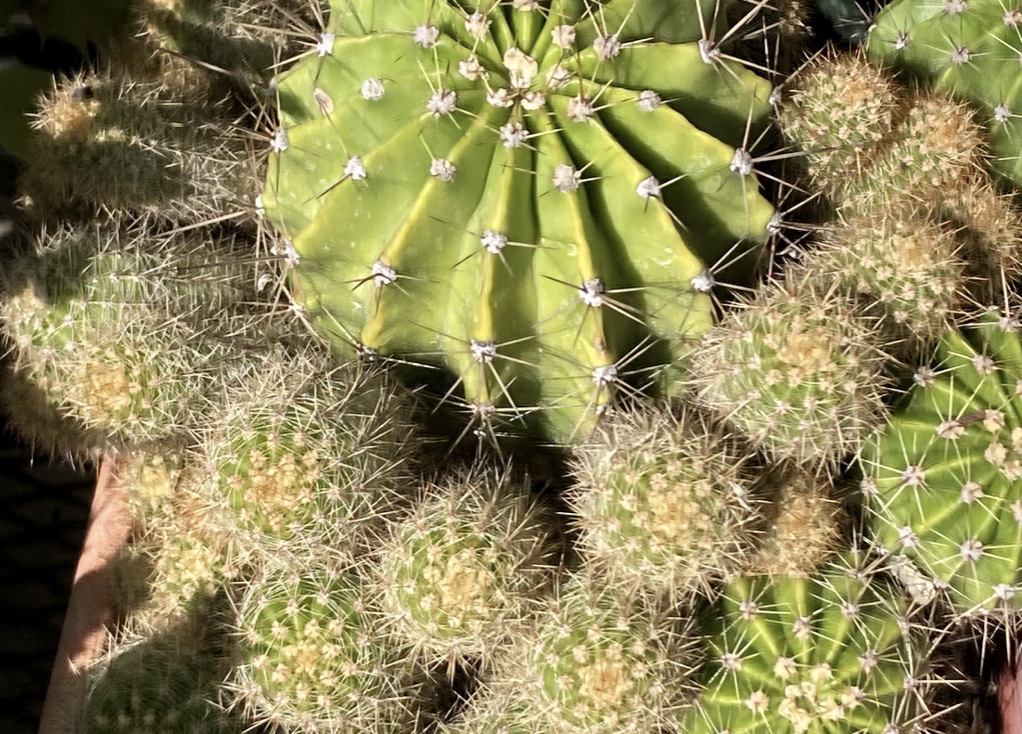
Light is the second major requirement. Cacti placed in dim indoor positions to 'protect' the computer or desk will slowly decline without sufficient light. South-facing windowsills with direct sun for several hours per day suit most common species. Grow lights extend the possibilities for lower-light environments.
Frequently Asked Questions
Q: Can cacti be kept outdoors year-round in Japan?
A: Many species can, in the warmer parts of Japan (Kanto and south). The critical factor is not cold temperature but winter moisture — cacti rot when wet and cold simultaneously. A sheltered position that stays dry through winter — under an overhang, for example — allows many species to survive outdoors in central Honshu.
Q: How often should cacti be watered indoors in Japan?
A: During the growing season (April-September), water thoroughly when the soil has dried completely — approximately every two to three weeks depending on pot size, temperature, and light. From October through March, most desert cacti can go four to six weeks without water, or longer.
Q: Do cacti flower?
A: Yes. Most cacti flower given sufficient light and appropriate seasonal care. Flowers are often spectacular — large, brightly colored, and sometimes fragrant. Many species flower in late spring or summer. The flower buds form on healthy, well-lit plants that have been given the dry winter rest they need.