Cherry Blossom 2026 — Japan's Earliest Season on Record and What It Means

Updated: May 4
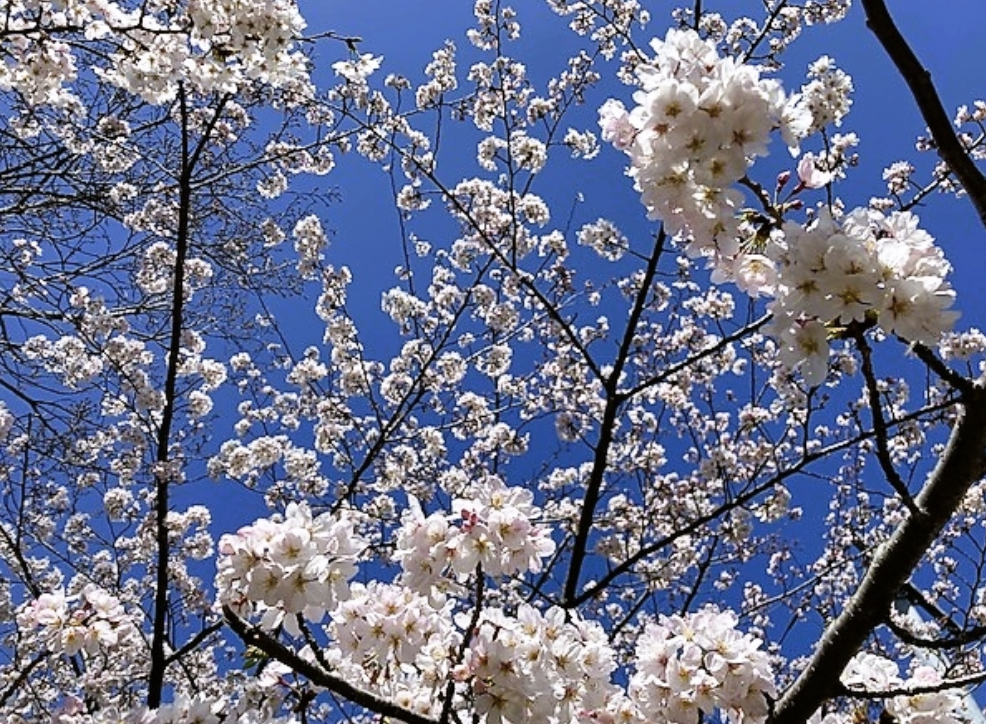
In 2026, the first cherry blossoms in central Japan opened around mid-March. In Mie Prefecture, where we work, the season started noticeably early — plants that typically bloom in late March or early April were already open before the equinox.
What Drives Early Blooming
Cherry blossom timing in Japan follows a process that combines chilling (winter cold) and forcing (spring warmth). The tree needs a period of sufficient cold to break dormancy — the 'chilling requirement' — and then responds to warming temperatures by producing flowers. When winters are warmer than average, chilling requirements may not be fully met, which can actually delay or disrupt flowering. But when the winter-to-spring transition happens quickly — as it did in 2026 — trees that have met their chilling requirement respond rapidly to the sudden warming.
The 2026 season saw relatively mild winter temperatures followed by an abrupt warm spell in early March. The rapid temperature increase after a sufficient chilling period created the conditions for one of the earlier bloomings in recent decades.
What Changes With Earlier Seasons
For people planning to view cherry blossoms — hanami — earlier opening means earlier peak bloom and earlier leaf-out. The full-bloom period typically lasts about a week under normal conditions, shorter if rain or warm temperatures accelerate petal drop. In 2026, the window was concentrated in the third week of March across much of central and western Honshu.
For trees themselves, earlier bloom raises questions about synchrony with pollinators and the risk of late frost damage. Cherry blossoms that open before typical frost-free dates can be damaged by cold snaps — a frost after petal opening destroys the flowers and reduces fruit set in fruiting cherry species.
Watching Trees Over Time
Seasonal observation of specific trees over multiple years is one of the most direct ways to track the effects of climate change at a local level. When we maintain gardens and sites year after year, we accumulate exactly this kind of record — not from instruments, but from the trees themselves. The cherry blossom timing at a particular garden, observed over ten years, is a data point.
Frequently Asked Questions
Q: Is Japan's cherry blossom season getting earlier every year?
A: The long-term trend in Japan shows earlier average bloom dates, consistent with warming temperatures. However, year-to-year variation is significant, and some years see later-than-average blooms when winters are unusually warm (insufficient chilling) or springs are cool. The 2026 season was one of the earlier ones in recent memory.
Q: Do all cherry tree varieties bloom at the same time?
A: No. There is significant variation across species and cultivars. Oshima cherry (Prunus speciosa) and Higan cherry tend to bloom before Somei Yoshino. Mountain cherry (Yama-zakura) and double-flowered varieties often bloom later. The species mix in a given location affects when the peak appears.
Q: What is the longest-lived cherry tree in Japan?
A: The Jindai Cherry (Jinnai-zakura) in Yamanashi Prefecture is one of the oldest documented, estimated at over 2,000 years. Several other specimens, particularly in mountain areas of central Honshu, are believed to exceed 1,000 years. Long-lived cherries are typically Higan or wild mountain varieties rather than the cultivated Somei Yoshino, which has a shorter natural lifespan.