Hon-Shakunage: Japan's Native Rhododendron That Connects Mountain and Garden

Updated: May 4
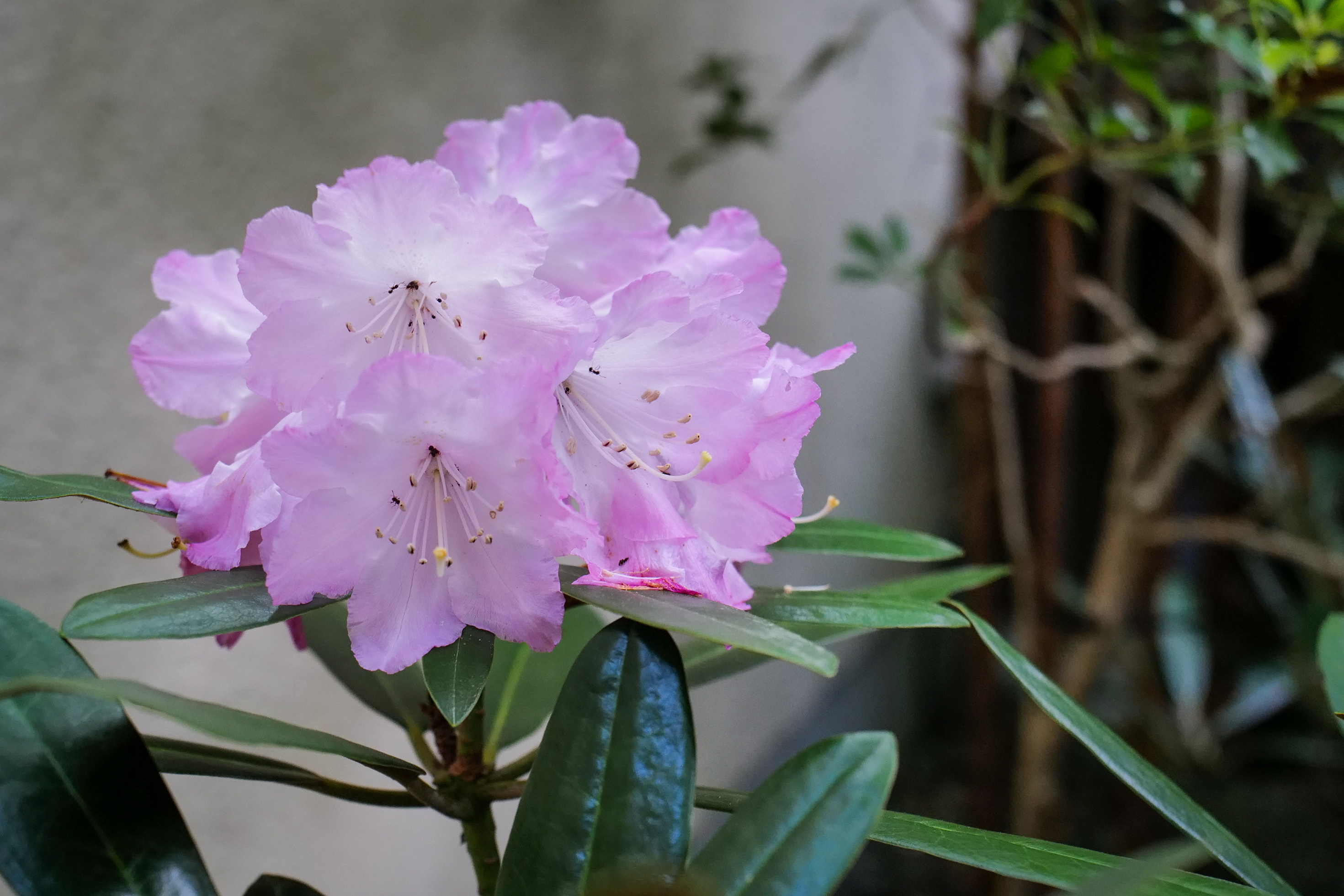
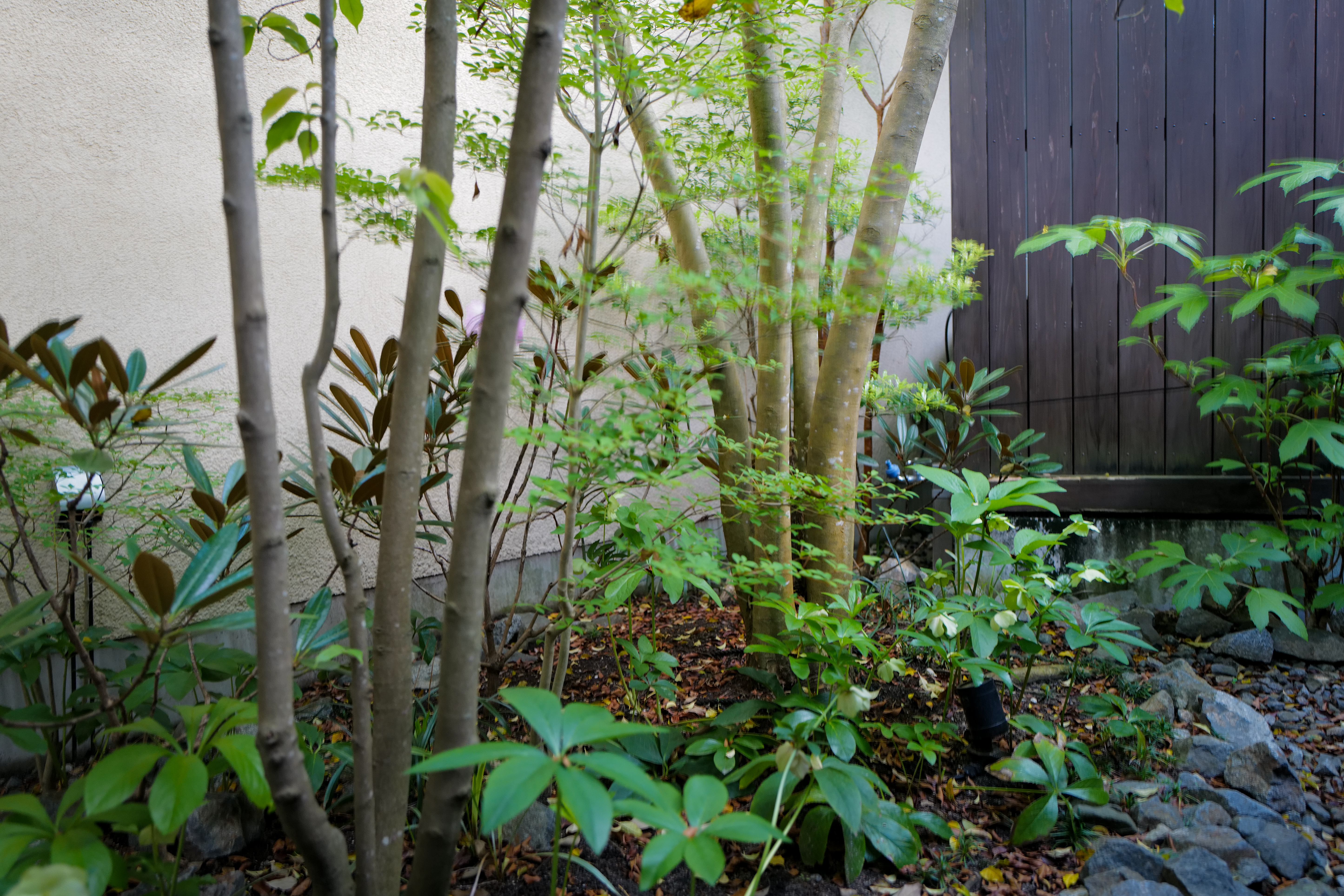
The hon-shakunage we care for grows in a garden at the foot of the Suzuka mountains. This spring, it flowered.
It is one of those moments in garden work that feels like the tree has decided something — not the gardener.
What Is Hon-Shakunage?
Hon-shakunage (Rhododendron japonoheptamerum) is the only rhododendron species native to Japan's subalpine mountain zones. It grows naturally above 1,200 meters in the mountainous regions of Honshu — including the Suzuka, Kii, and Chichibu ranges. In the wild, it forms dense stands on rocky slopes with acidic, well-drained soil.
The Chinese characters for shakunage — used in Japan for over 400 years — trace back to the Chinese medicinal text Ben Cao Gang Mu, compiled in the Ming Dynasty. The name translates roughly as 'stone cliff flower', a reference to the rocky habitats where it naturally grows.
Growing Hon-Shakunage in the Garden
The key to flowering hon-shakunage in cultivation is recreating, as closely as possible, the conditions of its mountain habitat:
Soil pH: 5.0 to 5.5 — strongly acidic. Standard garden soil is often too alkaline. Blueberry soil mixes, or peat-amended soil, are commonly used. In-ground planting requires amending the native soil or using raised beds.
Light: Partial shade. In its natural habitat, hon-shakunage grows under the canopy of deciduous forest — receiving bright light but not direct afternoon sun. In garden settings, dappled light from a deciduous tree overhead is ideal.
Water: Consistent moisture without waterlogging. The roots are shallow and sensitive to drought. Mulching around the base helps retain moisture and maintain the cooler soil temperatures the plant prefers.
When It Flowers
Flowering occurs in April and May, typically when the deciduous trees above it are just beginning to leaf out. The flowers are large — 5 to 8 centimeters across — and appear in clusters at the branch tips. Color ranges from pink to rose-red, sometimes with darker spotting inside the throat.
In a well-managed garden, a hon-shakunage in flower seems to bring a section of the mountain into view. The connection is real — the soil conditions, the light conditions, the moisture — all approximate the mountain environment well enough for the tree to respond in kind.
Frequently Asked Questions
Q: How is hon-shakunage different from common garden rhododendrons?
A: Most garden rhododendrons and azaleas are hybrid cultivars selected for garden conditions. Hon-shakunage is a wild species native to Japanese mountains — less forgiving of poor conditions, but with a natural form and presence that cultivars rarely match.
Q: Can hon-shakunage be grown in warmer lowland climates?
A: It can, but it requires careful attention to soil pH, drainage, and shade. In warmer areas, afternoon shade is essential. It is considered more challenging than hybrid rhododendrons in lowland conditions.
Q: How long does hon-shakunage live?
A: In its natural mountain habitat, specimens living several hundred years have been documented. In garden settings with appropriate conditions, a well-maintained hon-shakunage can be a generational tree.