Moving a Granite Garden Table Set in Yokkaichi — What Heavy Stone Work Actually Involves

Granite is not a material that moves easily. A full-size garden table cut from granite — top, legs, matching benches — weighs several hundred kilograms in total. Moving it is not a matter of carrying. It is a matter of knowing how to lift, support, and place weight correctly, with the right tools and enough people to do it safely.
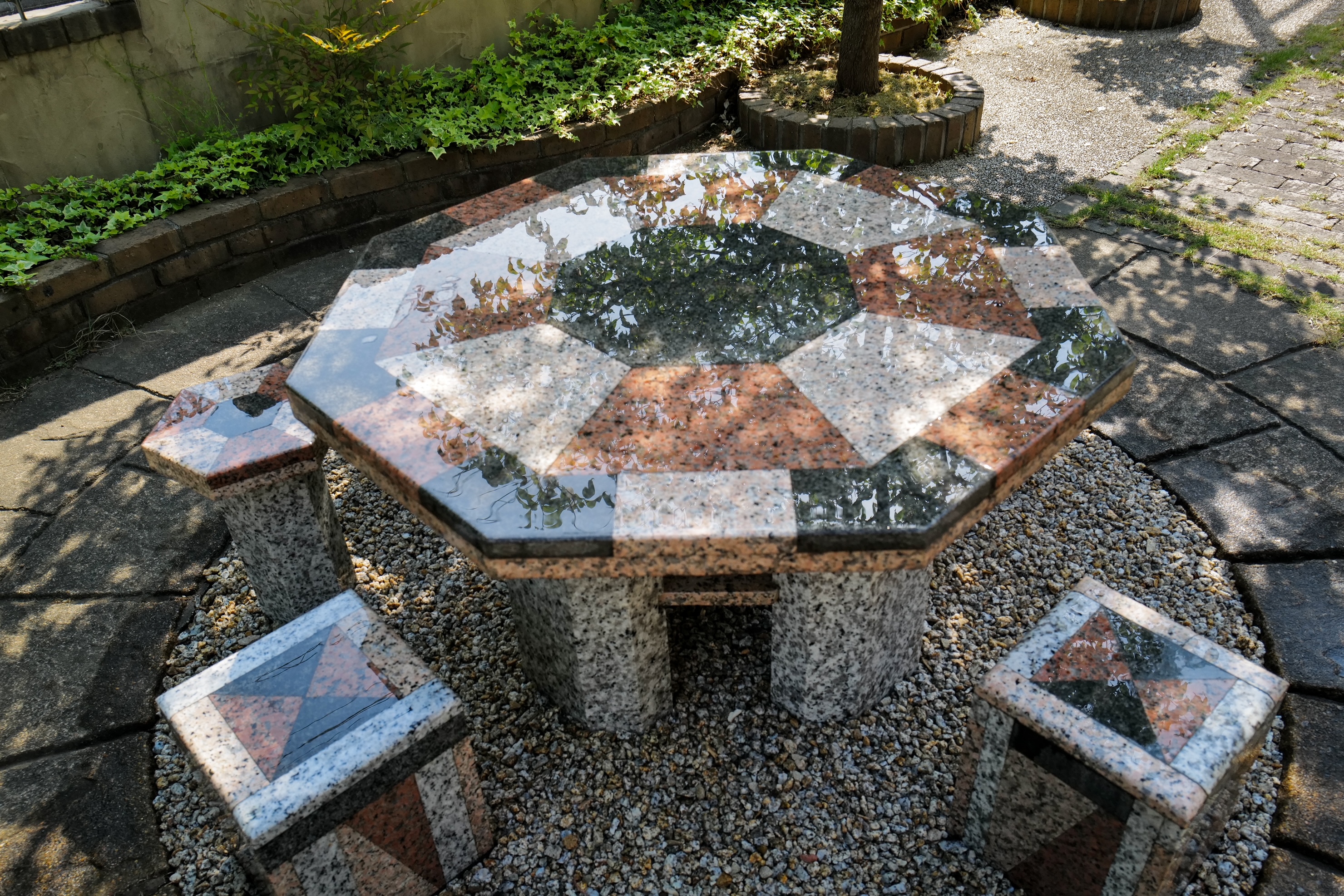
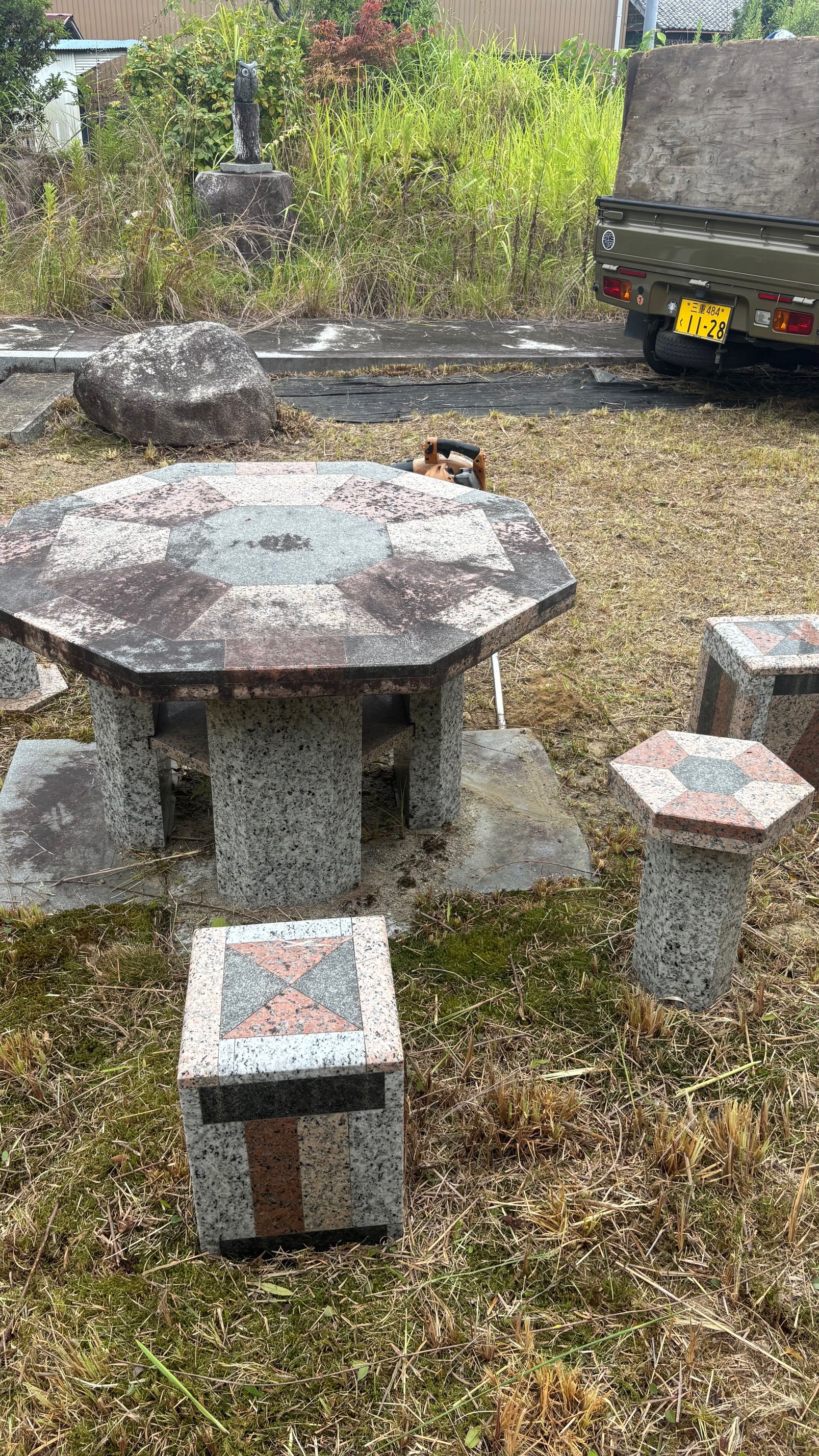
In Yokkaichi, we recently completed the relocation of a granite table set within a residential garden. The client had used the table in the same position for many years. A change in how the garden was used — new planting, a revised path, a preference for different afternoon light — meant the set needed to move across the garden to a new position.
Why Granite?
Granite is chosen for outdoor furniture in Japan for reasons that become obvious once you have worked with it: it does not rot, it does not rust, it does not fade, and it requires essentially no maintenance. Rain and sun do nothing to it. In a country with significant rainfall and high summer humidity, a material that simply does not respond to weather has real value.
The weight is both a disadvantage and a feature. The table does not shift in wind or get knocked over by accident. It occupies its position with absolute stability. When clients choose granite, they are typically making a decades-long decision — this table will be here, unchanged, when everything around it has been replaced twice.
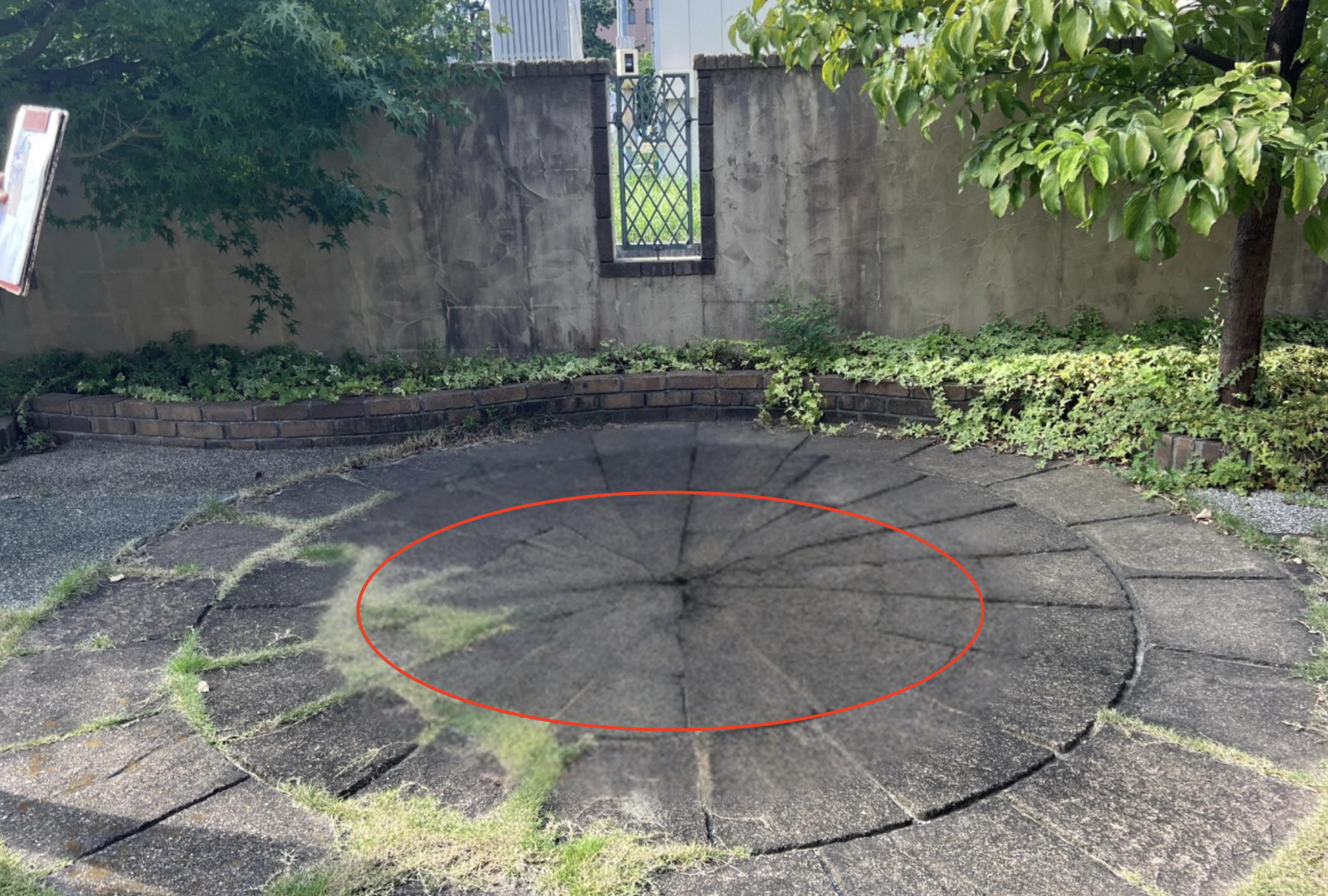
The Relocation Process
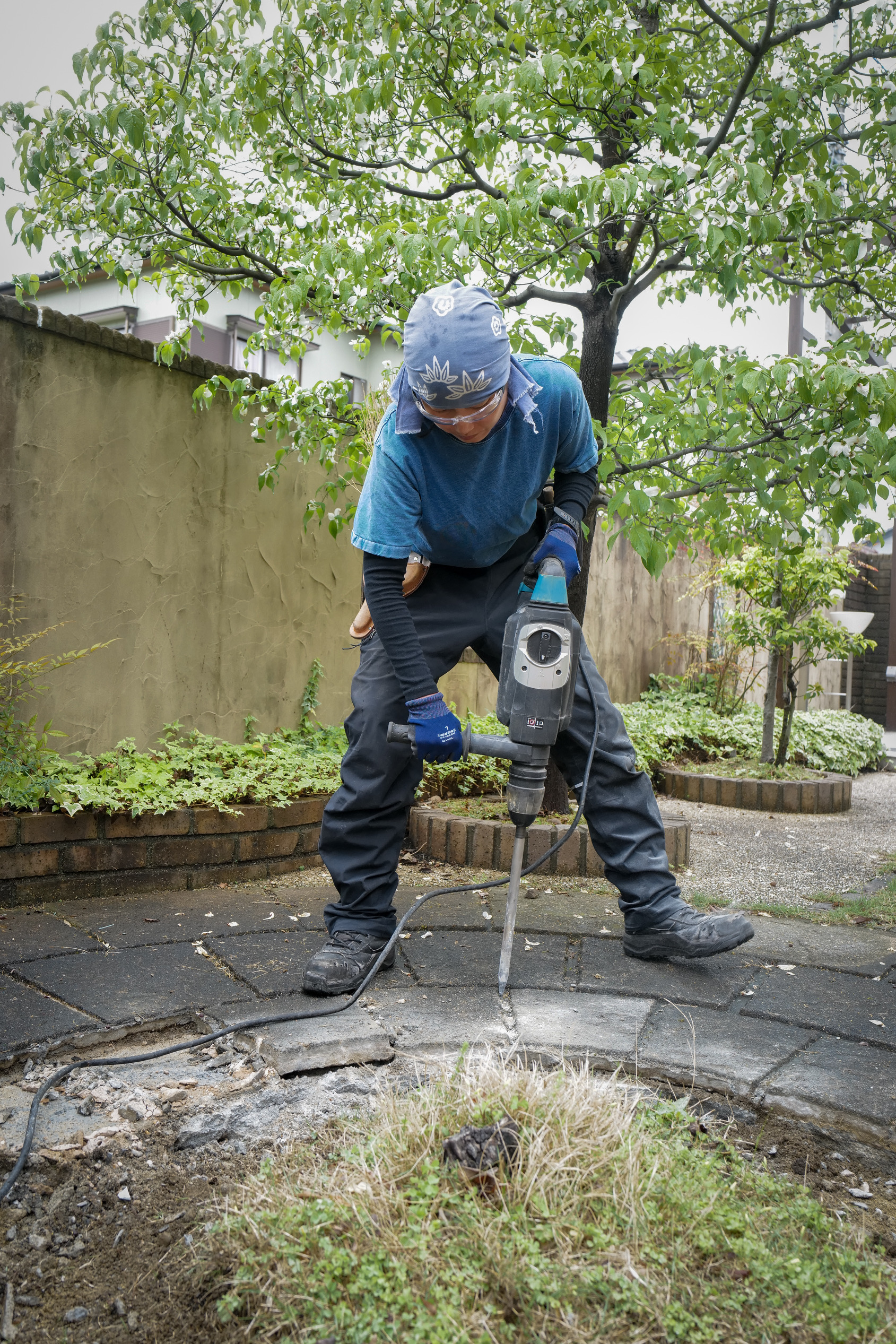
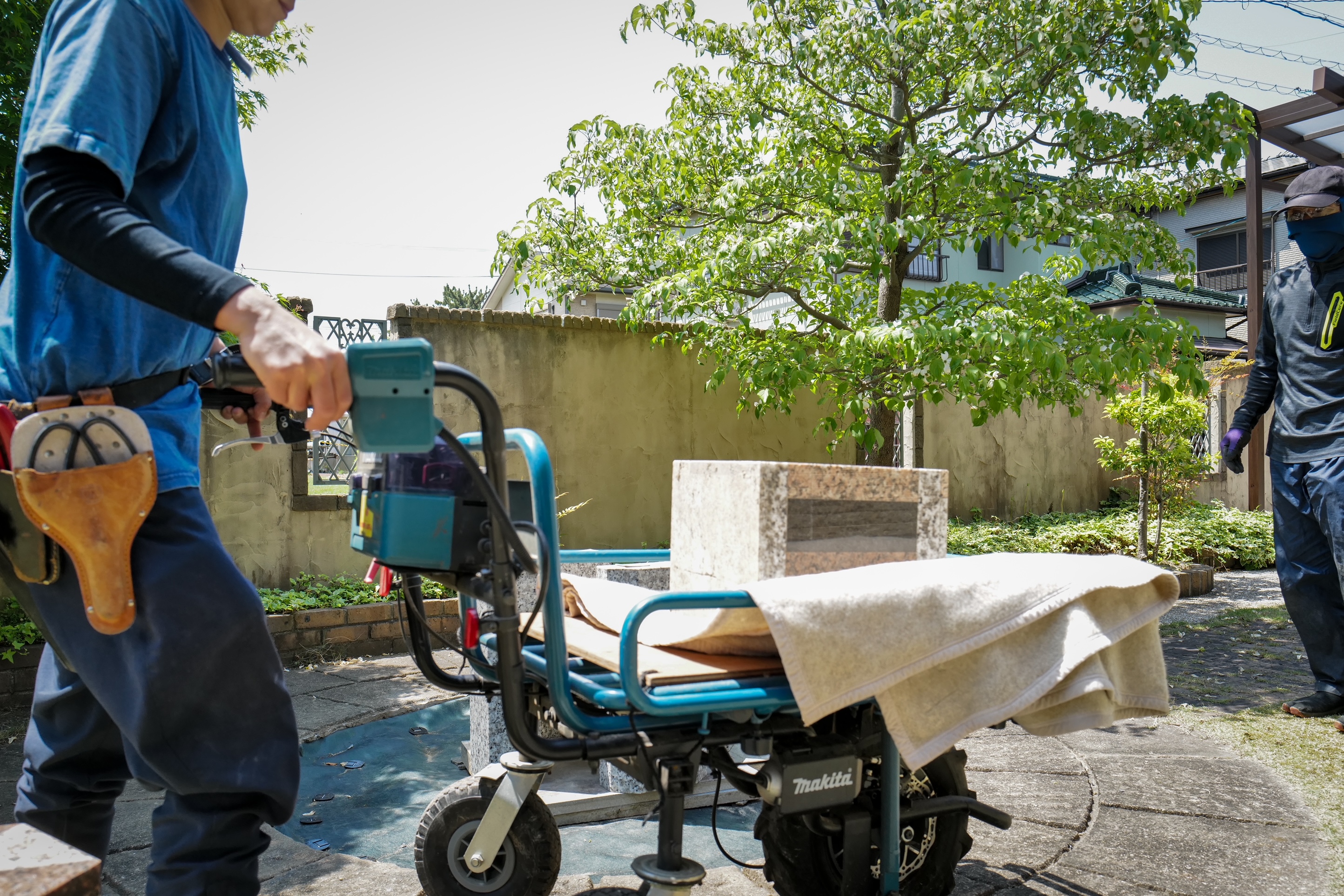
Granite cannot be tilted, dragged, or rolled across a garden without risking cracking the stone or damaging the ground surface beneath. The approach is methodical: clear the surrounding area, protect the path the piece will travel, use wheeled dollies or rollers to distribute weight, and move in stages.
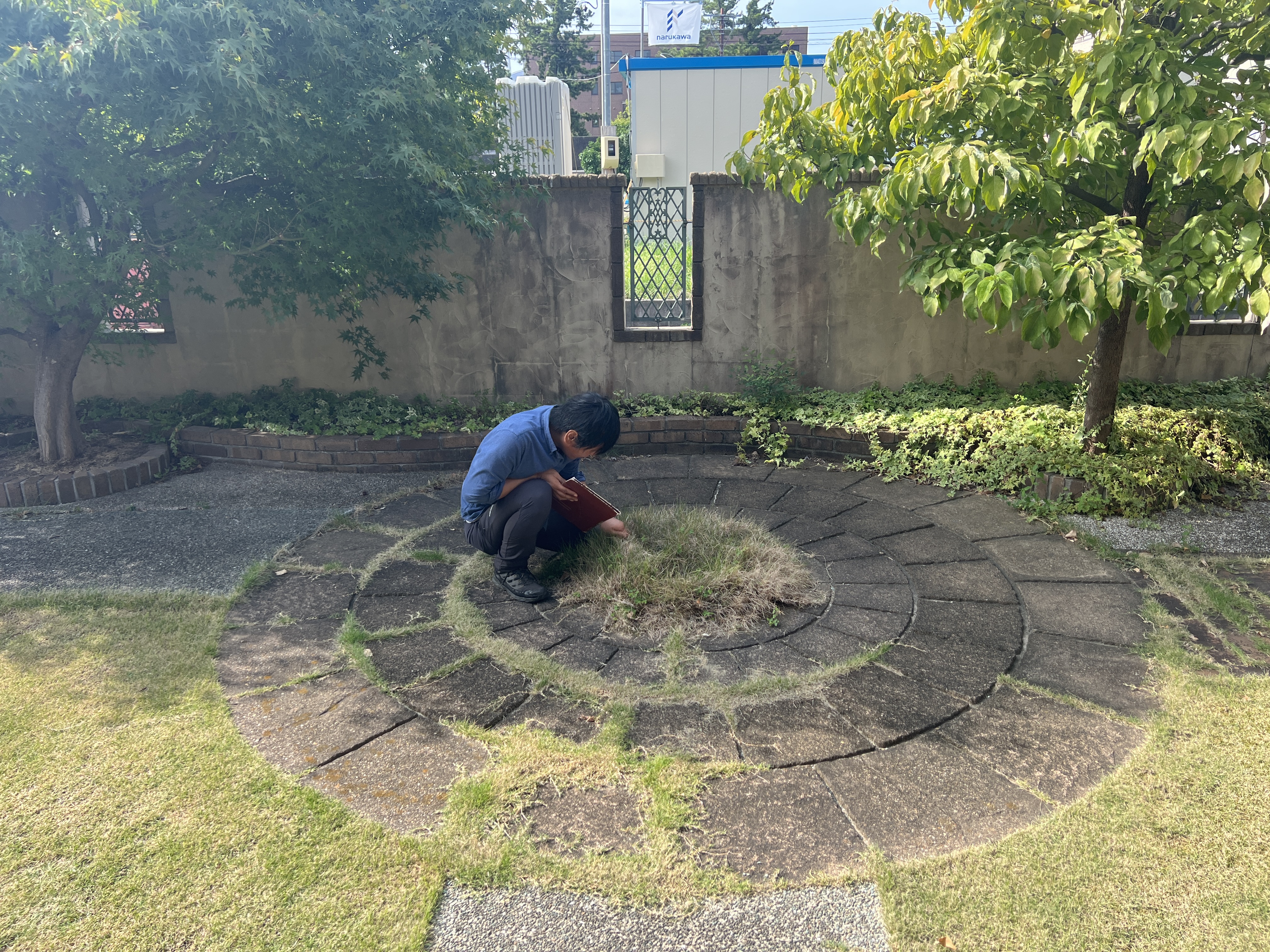
For this project, the path between old and new positions passed over a paved section of garden and across a small section of prepared soil. The paved surface required protection from the dolly wheels and from the weight of the stone. The soil section required temporary reinforcement to prevent the heavy pieces from sinking and tilting.
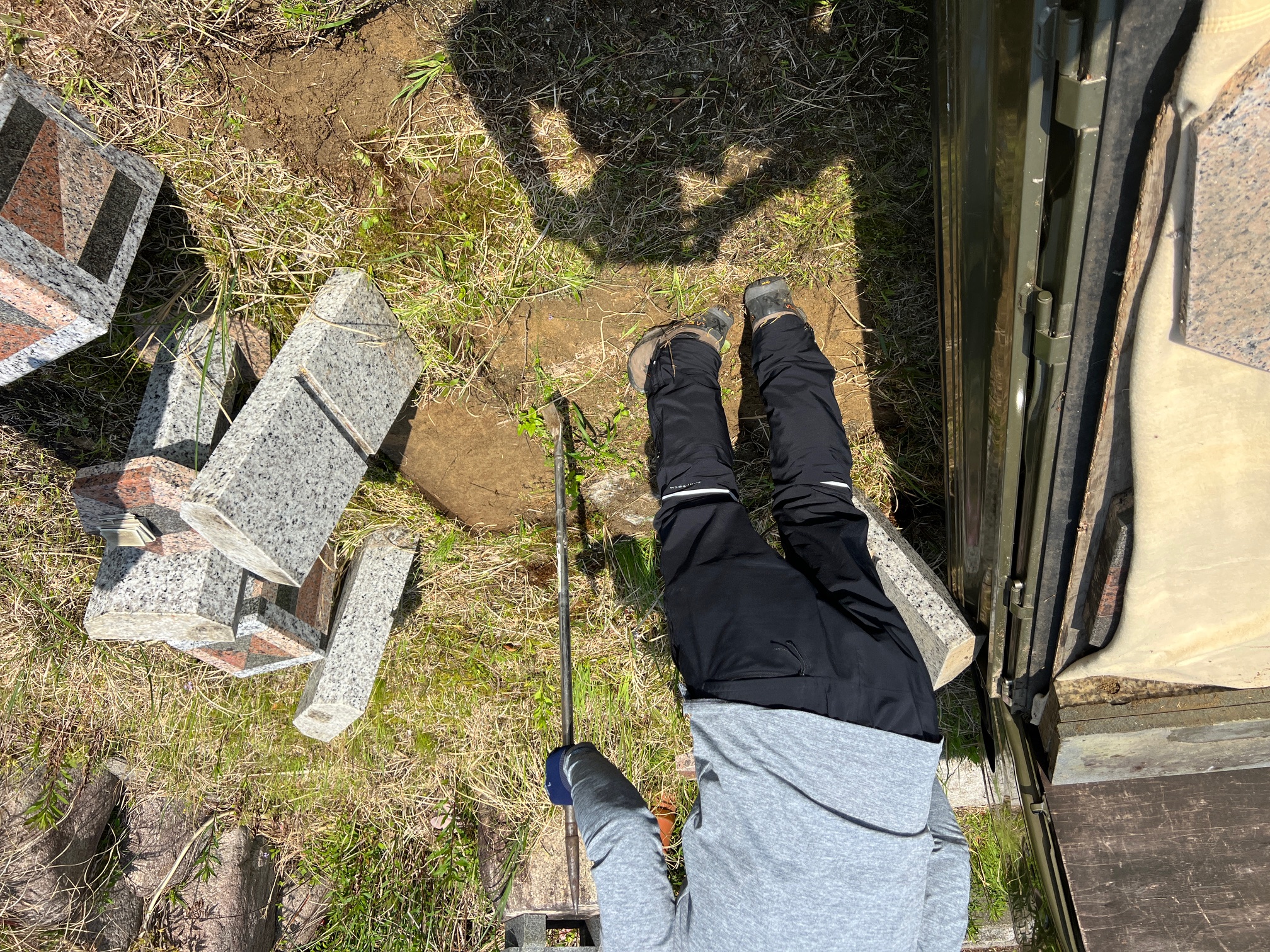
The table top was moved separately from the legs — these pieces are not permanently fixed together in most granite table designs, which makes disassembly and reassembly part of the process. The legs were positioned first and leveled on the new surface. The top was then placed and checked for level.
Frequently Asked Questions
Q: How much does a granite garden table weigh?
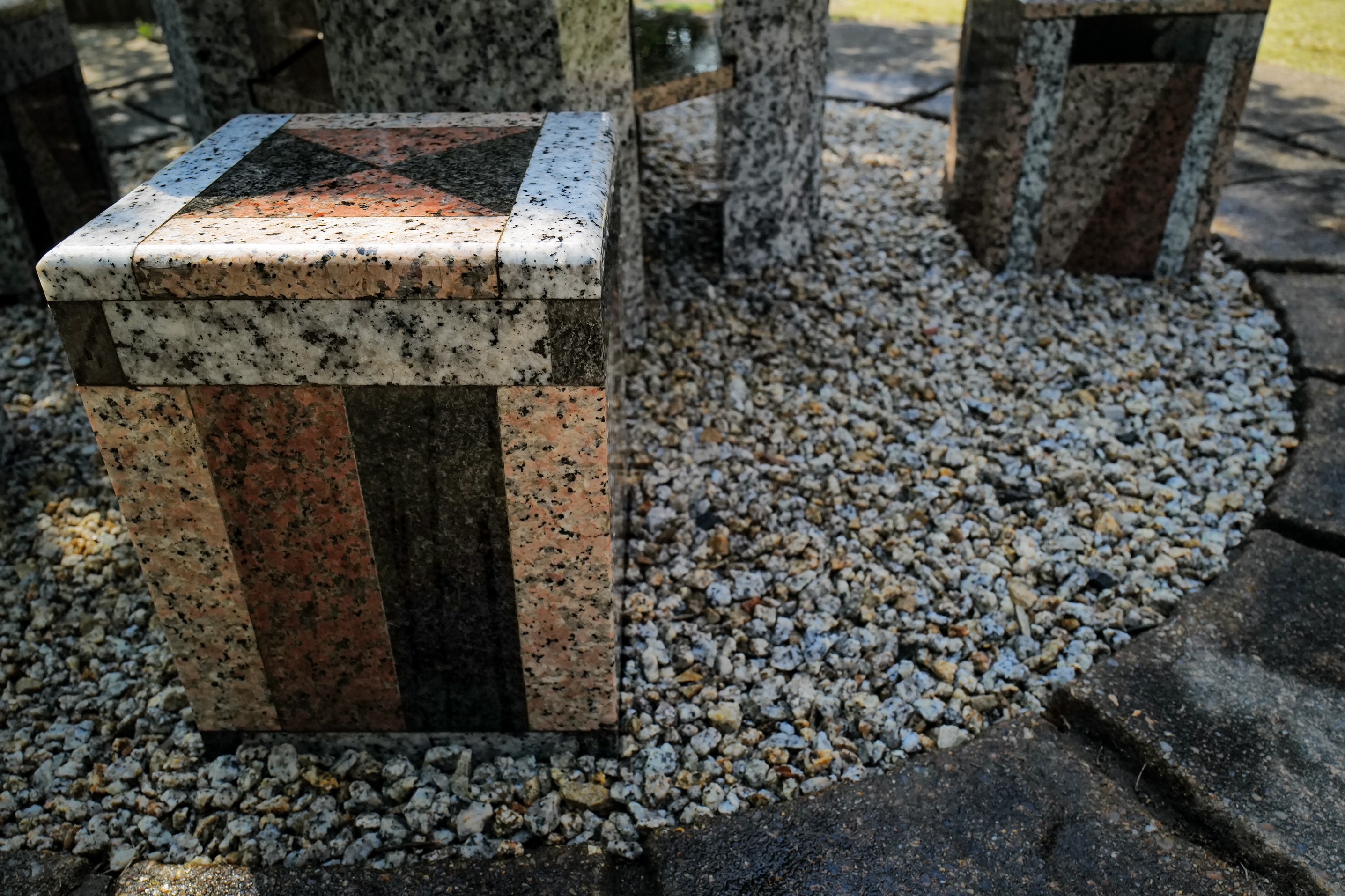
This varies with the thickness of the stone and the size of the pieces, but a full table top of mid-range dimensions (approximately 120cm x 60cm x 5cm) weighs roughly 100-150kg. Add legs and matching benches and the total for a typical set approaches 300-500kg.
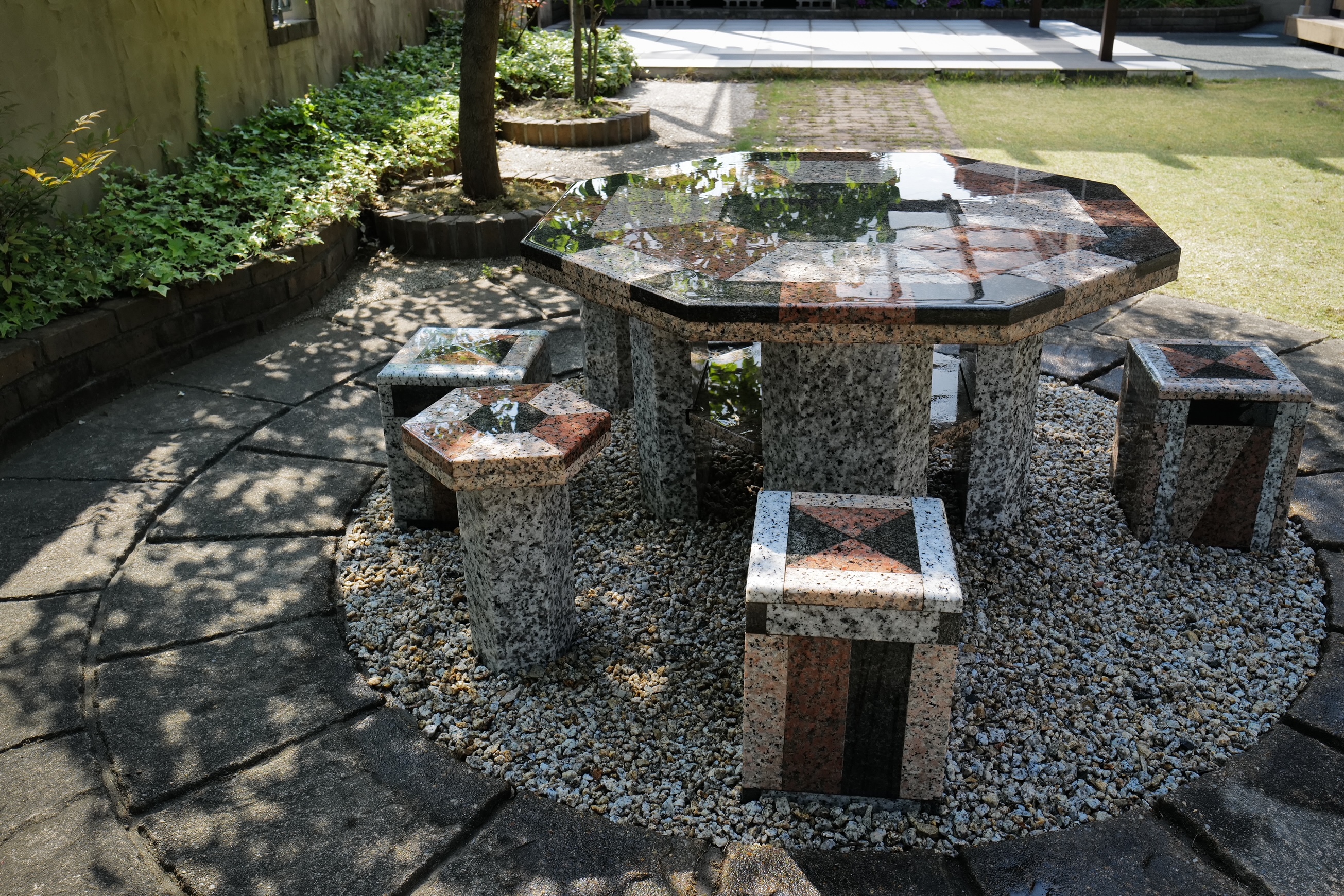
Q: Can granite garden furniture be moved by two people?
Safely, no. The weight, combined with the need to protect the stone from cracking and the ground from damage, makes this a task for a minimum of three to four people with proper equipment. Attempting it with fewer people risks injury to people and damage to the stone.
Q: How do you level granite garden furniture on uneven ground?
The legs sit on a prepared base — usually compacted gravel or a poured concrete pad. If the base is not perfectly level, shimming with small pieces of stone or hard rubber is used to correct for minor variation. For significant leveling corrections, reworking the base is more reliable than shimming.
Stone in a garden is a long-term decision. When circumstances change, the stone can move. It simply requires the right approach and enough patience to do it correctly.