Oregano as a Natural Antibiotic — The Herb That Fights Bacteria and Blooms Hot and Spicy

Oregano is the herb most people associate with pizza and pasta. It is present in so many Italian and Mediterranean dishes that it has become almost invisible — a background note, reliable, expected.
But there is more to oregano than cooking. The compounds that give it its sharp, hot, slightly medicinal flavor — carvacrol and thymol — are among the most studied natural antimicrobials in plant science. Oregano's heat is not an accident of flavor. It is a defense mechanism that also happens to work on pathogens that affect humans.
What the Research Shows
Multiple studies have tested oregano extract against common bacteria including Staphylococcus aureus, E. coli, and Listeria monocytogenes. The results are consistent: oregano essential oil and carvacrol isolates demonstrate significant antibacterial activity in laboratory conditions. The mechanism appears to involve disruption of bacterial cell membranes, making it difficult for bacteria to maintain their integrity.
This does not mean oregano replaces antibiotics. Laboratory antibacterial activity does not translate directly to clinical treatment. But it does suggest that oregano has a real physiological basis for its traditional use as a preventive herb — in teas, in steam inhalation, in food preservation.
Oregano and Winter Illness Prevention
In Japan, oregano tea is sometimes used during cold and flu season. The approach is more preventive than curative: drink regularly during the season when respiratory viruses circulate, use steam inhalation when nasal congestion begins.
The thymol content — shared with thyme, which is botanically related — has mucolytic properties, helping to thin mucus in the respiratory tract. This is likely part of why steam inhalation with oregano or thyme feels effective for nasal symptoms. The volatile compounds reach the mucous membranes directly.
Growing Oregano in Japan
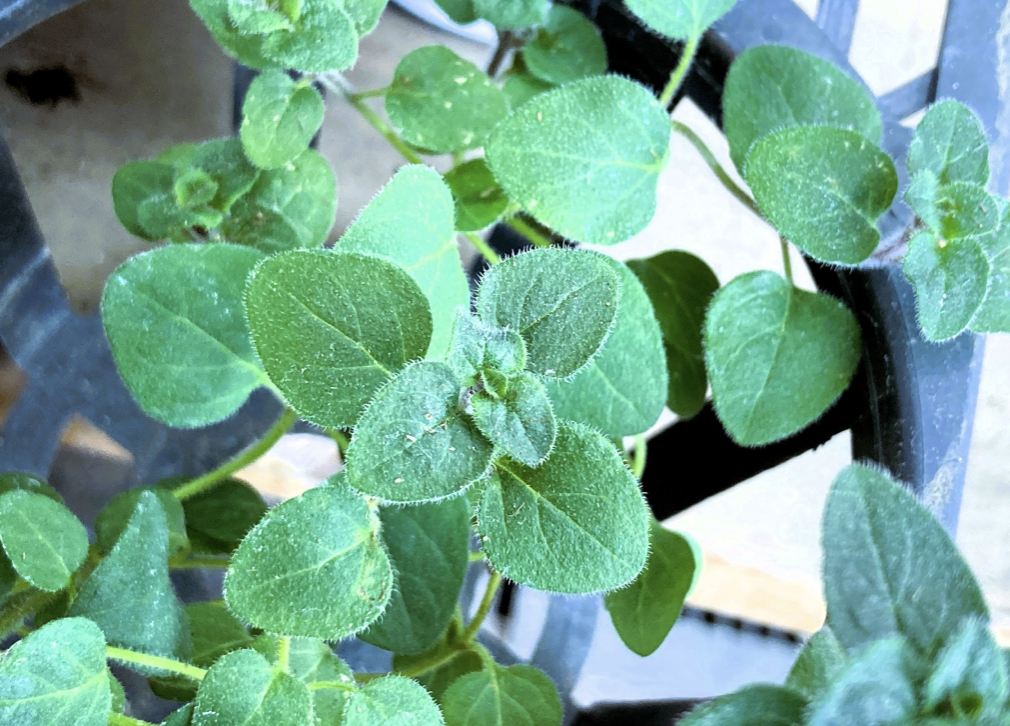
Oregano grows well in most parts of Japan, though it prefers conditions similar to its Mediterranean origins: full sun, well-drained soil, moderate water. In humid summer climates, drainage is the critical factor — oregano will tolerate heat if roots are not sitting in wet soil.
In Mie Prefecture, oregano can be grown as a perennial if given a sheltered location and good drainage. It dies back in cold winters but regrows reliably from the roots in spring. The flavor is most intense just before flowering, when the essential oil concentration peaks.
Harvest in the morning after dew has dried, before the heat of the day drives off volatile compounds. Dry quickly in a warm, ventilated space away from direct sun.
Frequently Asked Questions
Q: Can you eat oregano raw?
Yes. Fresh oregano is stronger than dried — use about a third of the quantity. Raw leaves work well in salads, on bruschetta, and in cold dishes where you want the fresh herb character rather than the cooked background note.
Q: What is the difference between Greek and Italian oregano?
Greek oregano (Origanum vulgare subsp. hirtum) is typically more pungent, with higher essential oil content. Italian oregano is milder and more widely available. For medicinal applications, the higher-oil Greek varieties are generally preferred. For cooking, either works.
Q: How often should you water oregano?
Water deeply and allow the soil to dry between waterings. In Japan's humid summer, this may mean watering less than you expect — the humidity alone provides moisture. In dry periods, water once or twice a week. Oregano is more likely to be damaged by overwatering than underwatering.
The garden produces its own medicine when you pay attention to what it contains. Oregano is not exotic. It is a familiar plant with a deeper character than most people have explored.