Plant Poisoning That Recurs Every Year — The Danger of Confusing Allium tuberosum with Colchicum

Every spring in Japan, the same category of poisoning incidents occurs. Garlic chives — nira, Allium tuberosum — are one of the most common vegetables in Japanese home gardens. They grow vigorously, return each year without replanting, and are used fresh in stir-fries, dumplings, and egg dishes. They are also easily confused, by inexperienced foragers and gardeners, with several toxic plants that grow in similar conditions and produce similar-looking leaves.
The Confusion Plants
The most dangerous confusion in Japan involves Colchicum autumnale (Autumn crocus) and Veratrum album (white false hellebore, known in Japan as kōjaku-reishi or kobaikiso). Both can appear as clumps of strap-like leaves in spring, at the stage before the flower is visible, when the leaves alone are what is seen and harvested.
Colchicum contains colchicine — a compound used medicinally in very small doses for gout, but acutely toxic in the amounts consumed when eating even a small quantity of plant material. Symptoms include nausea, vomiting, diarrhea, and in severe cases, multi-organ failure. The poison acts slowly — hours to days — which means people may have consumed significant amounts before symptoms appear.
Veratrum species contain steroidal alkaloids that affect the nervous and cardiovascular system. Toxicity is acute and can be life-threatening.
How to Identify Garlic Chives Correctly
Garlic chives have a clear, unmistakable characteristic that the toxic look-alikes do not share: they smell of garlic. Crushing or rubbing a leaf releases an immediate, strong garlic odor. If the leaves you are harvesting do not smell like garlic when rubbed, they are not garlic chives.
This single test — crush and smell — is the reliable field identification. Colchicum and Veratrum do not smell of garlic. The visual similarity between these plants in early spring, before flowers appear, is genuine and can deceive experienced gardeners. The smell test removes ambiguity.
Why It Keeps Happening
Garlic chives spread vigorously and can appear in unexpected locations in the garden — far from where they were originally planted. Toxic plants may grow nearby or in similar conditions. When someone harvests what they assume is garlic chives without checking carefully, the confusion occurs.
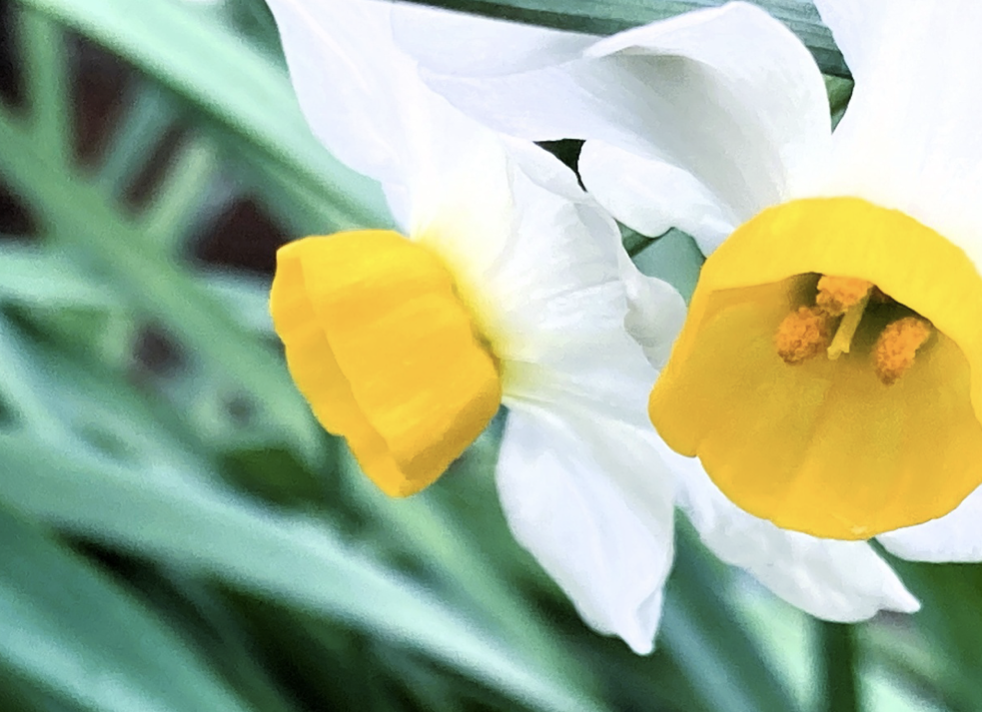
Wild garlic foraging — harvesting what appears to be wild Allium species — carries the same risk in Japan. Several toxic plants overlap in habitat with wild Allium species. Without a reliable identification method, foraging wild garlic-like plants is a consistent poisoning risk.
Frequently Asked Questions
Q: What should I do if I suspect plant poisoning?
A: Contact emergency services or a poison control center immediately. In Japan, the Japan Poison Information Center can be reached at 072-727-2499 (Osaka) or 029-852-9999 (Tsukuba). Do not wait for symptoms — with colchicine poisoning, the window for effective treatment is early.
Q: Are there other common plant poisoning confusions in Japan?
A: Yes. Monkshood (torikabuto) confused with edible wild plants; water hemlock confused with seri (Japanese parsley); and false lily of the valley confused with various edible plants. The common theme is harvesting similar-looking plants in the same season without confirming identity.
Q: Can garlic chives and toxic look-alikes grow in the same garden?
A: Yes, particularly if Colchicum has been planted as an ornamental bulb — it is sold commercially for its autumn flowers. Garlic chives can spread from a planted area. The two may be present in the same garden without the gardener connecting them as a risk.
Crush the leaf. If it smells like garlic, it is garlic chives. If it does not, do not eat it.