Reading the Decay of an Old Oak — Fungal Shelf Growth and the Signs Inside a Tree

Updated: May 4
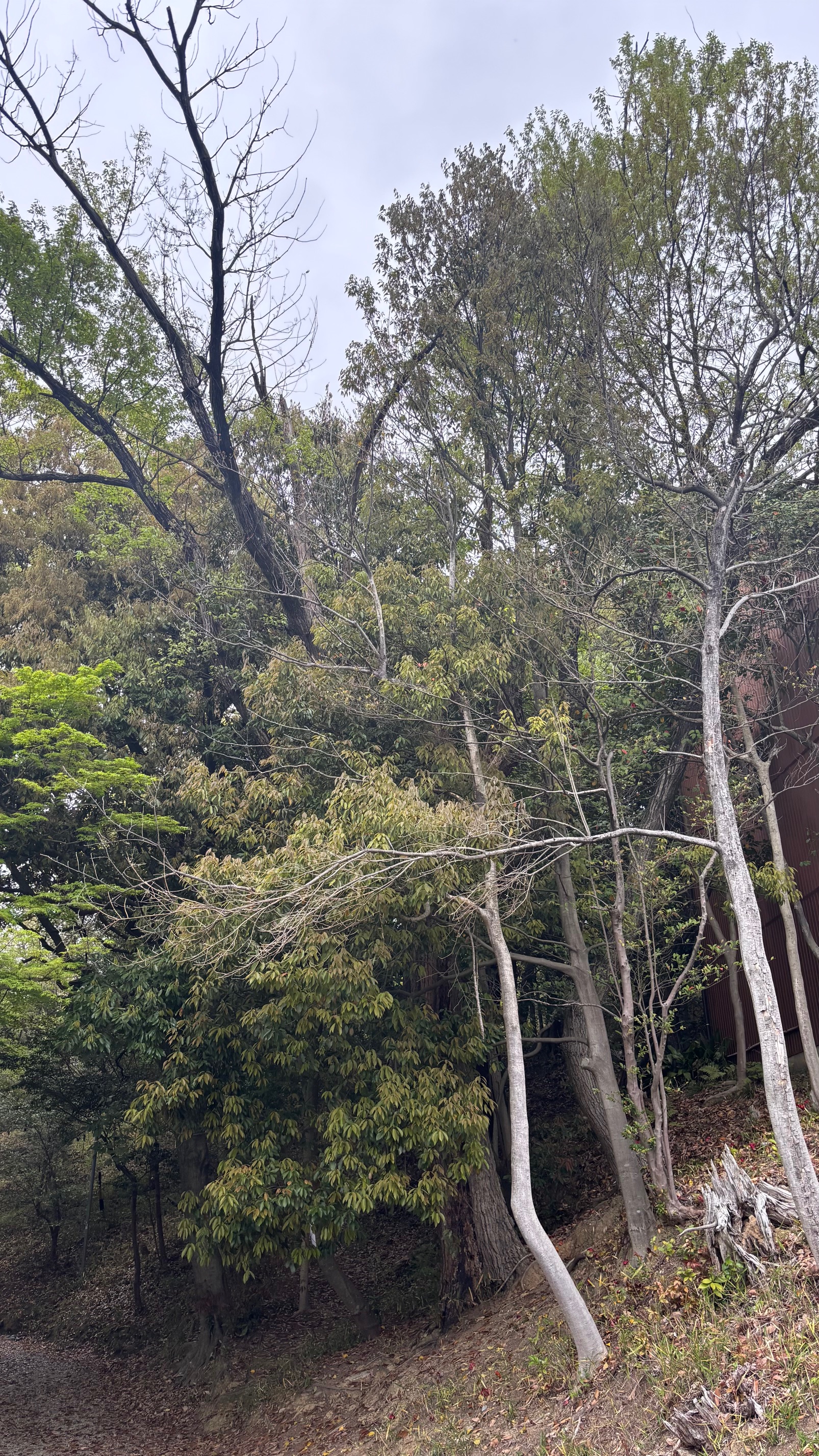
There are two old oak trees at the Matsumoto Castle ruins in Yokkaichi. This spring, we carried out an inspection of the first one — requested because of visible fungal growth near the base and a change in the appearance of the bark on one side.
What We Found
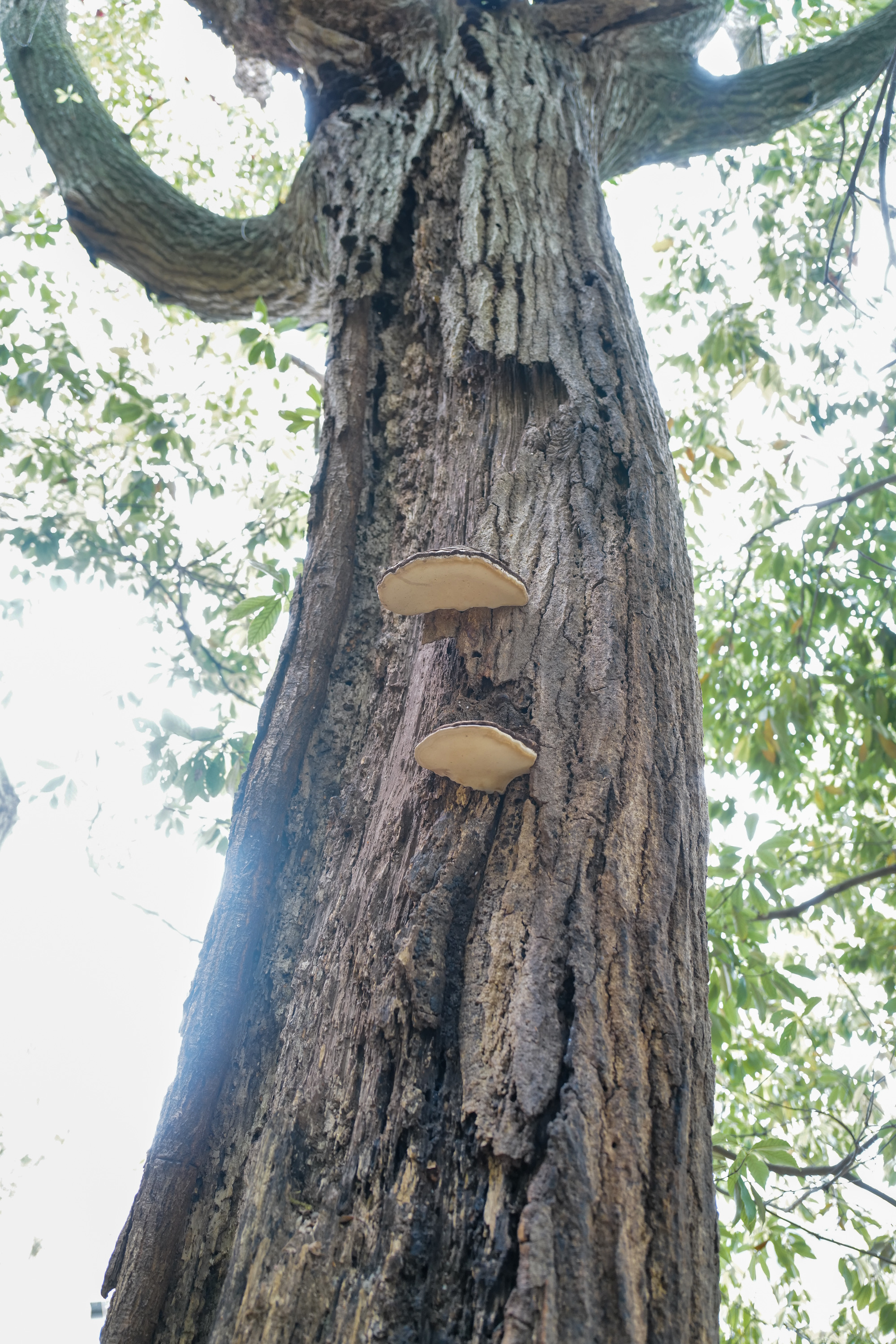
Two stages of shelf fungal growth were visible on the trunk — one bracket at roughly knee height, one higher up on the same side. The wood immediately beneath the root flare was darkened. The bark on the left side showed peeling and separation from the cambium. A large branch on that side had died back.
These signs together tell a consistent story: the left side of the tree, from the roots upward, is experiencing significant wood decay. The question is always how far it has progressed, and whether the tree's structural integrity is sufficient for its location.
Ganoderma and What Shelf Fungi Tell Us
The fungal growth in this case was consistent with Ganoderma species — the 'artist's conk' family of polypore fungi that decompose lignin and cellulose in hardwood trees. Ganoderma appears as a visible bracket only after the internal mycelial network has been established for some time. The visible bracket is not the beginning of the decay — it is evidence that the process has already progressed significantly inside the wood.
This is the key point that distinguishes visible fungal growth from surface-level damage. A wound you can see is localized. A fungal fruiting body means the wood inside has been colonized and is breaking down from within.
The Forest Connection
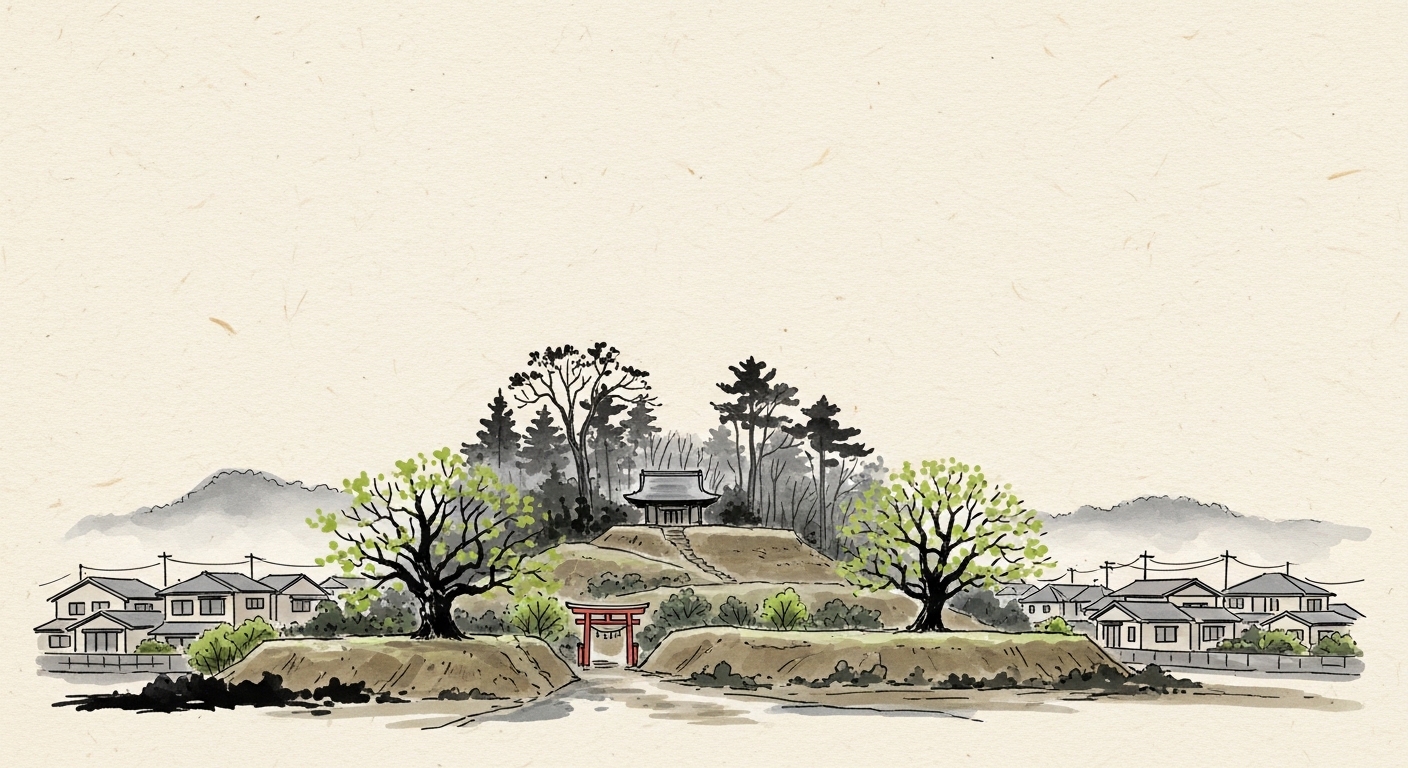
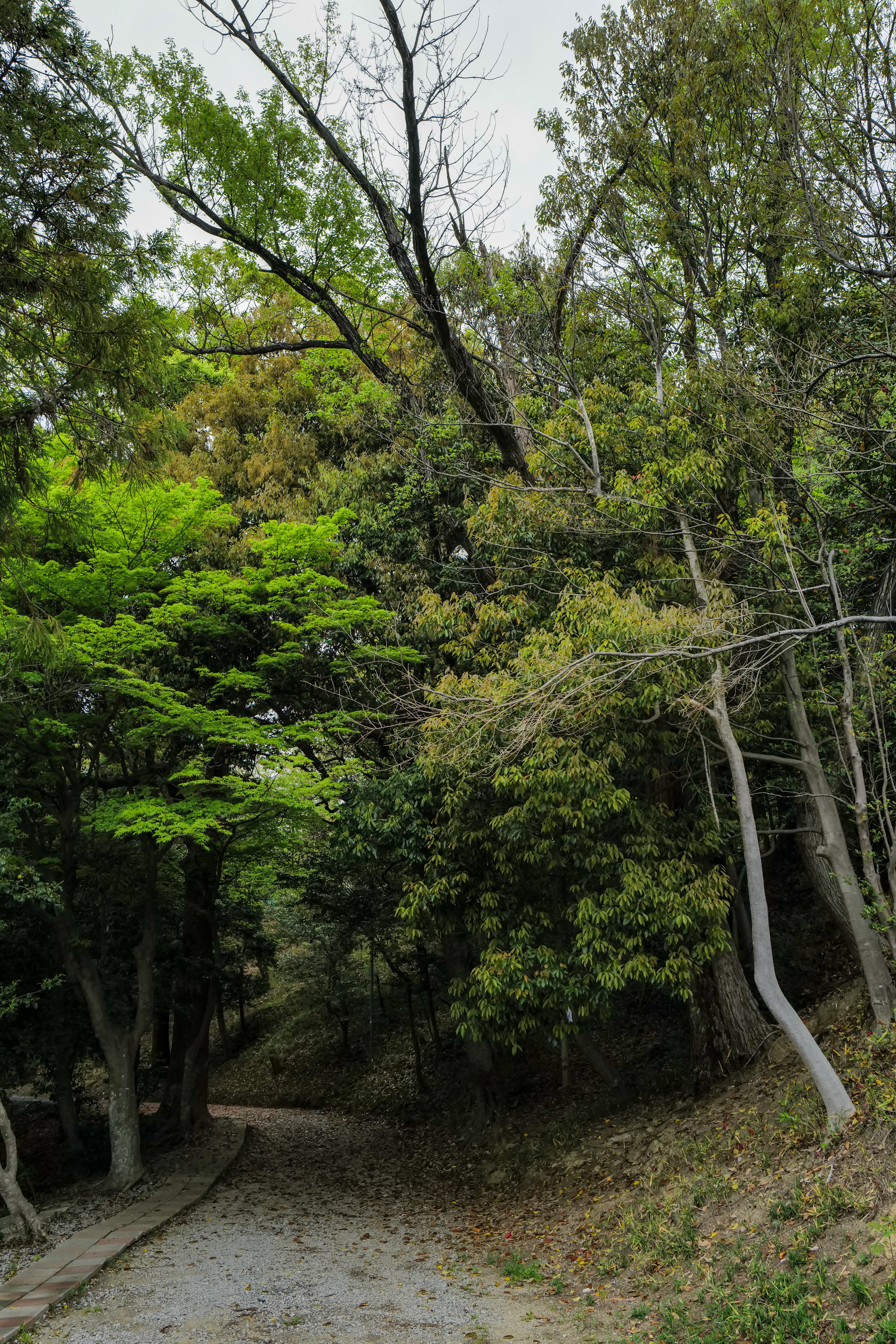
The Matsumoto Castle ruins site has been forested for hundreds of years. The oak trees there are not part of an ornamental planting — they are remnants of a long-standing woodland, growing in a place where people gather and where historical memory is embedded in the landscape. Their continued presence matters in a way that goes beyond the practical.
This is exactly the situation in which decay assessment requires careful judgment. The goal is not to remove trees unnecessarily. It is to understand what is happening inside them, communicate that clearly, and allow the people responsible for the site to make informed decisions about risk.
Frequently Asked Questions
Q: If a tree has shelf fungi, does it need to come down?
A: Not necessarily. Location, the extent of decay, the species of fungus, and the tree's overall vitality all factor into the decision. A tree with limited internal decay in a low-risk location may be safely monitored for years. A heavily decayed tree over a path or structure requires more urgent attention.
Q: Can a tree recover from fungal decay?
A: Trees do not repair decayed wood — the broken-down cells cannot regenerate. However, a healthy tree can compartmentalize decay (limit its spread) through chemical and physical barriers. Supporting overall tree health through good soil conditions, avoiding mechanical damage, and appropriate pruning helps the tree manage existing decay.
Q: How often should old trees be inspected?
A: For trees with known decay or risk factors, annual inspection is a reasonable standard. After major weather events — particularly typhoons — immediate inspection of any high-value or high-risk trees is advisable.
The scheduled removal of the two oaks is set for July. Until then, the trees remain, and the site carries the quiet weight of something that has been there for a very long time.