Roman Chamomile — The Gentle Herb That Peter Rabbit's Mother Knew About

In Beatrix Potter's The Tale of Peter Rabbit, after Peter's harrowing day in Mr. McGregor's garden, his mother puts him to bed and gives him chamomile tea. This is a detail that has stayed in the cultural memory of the story because it is so precisely right — chamomile tea as the remedy for a stressful experience is a piece of folk knowledge that precedes Potter's 1902 publication by centuries.
Two Species, One Name
When people say chamomile, they usually mean one of two species: German chamomile (Matricaria chamomilla) or Roman chamomile (Chamaemelum nobile). Both produce the small, daisy-like white flowers with yellow centers that are dried for tea. Roman chamomile is the perennial — it persists year after year — while German chamomile is an annual that reseeds itself. Roman chamomile has a somewhat sweeter, more apple-like scent; German chamomile is more medicinal.
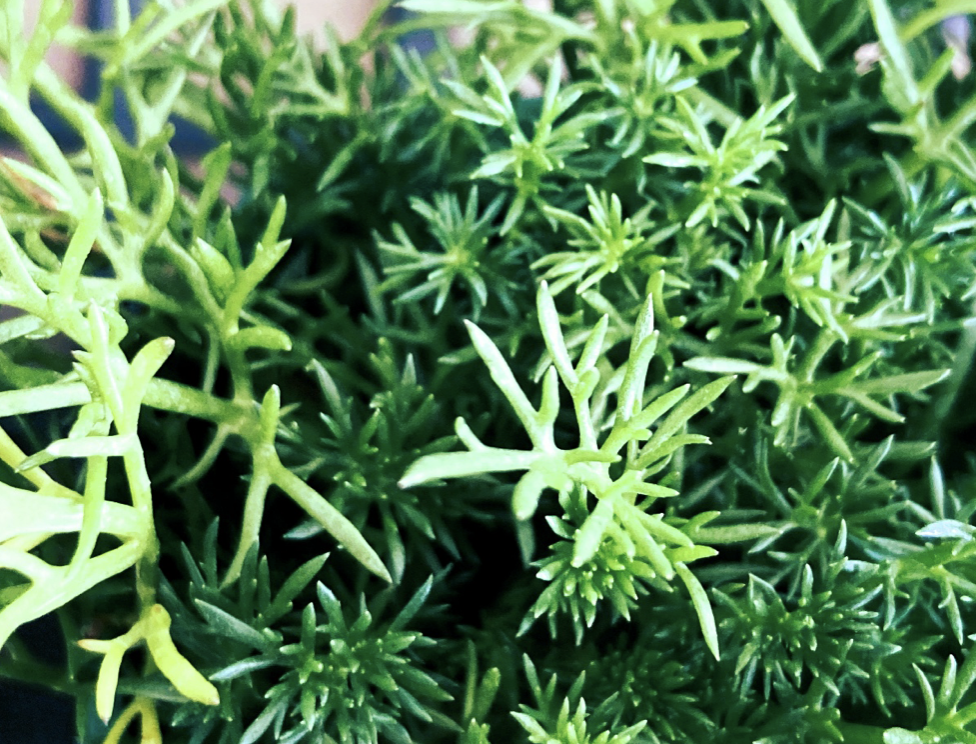
For garden use in Japan, Roman chamomile is preferred because of its perennial nature and low, spreading habit. It can be used as a ground cover in sunny areas, and when the leaves are disturbed — stepped on, brushed against — they release their characteristic fragrance.
What the Research Says
Chamomile's calming reputation has been investigated in clinical research. The primary active compound of interest is apigenin, a flavonoid that binds to benzodiazepine receptors in the brain — the same receptors targeted by pharmaceutical anxiety medications, though with far weaker effect. A 2016 clinical trial published in Phytomedicine found that long-term chamomile extract use significantly reduced generalized anxiety disorder symptoms compared to placebo, and reduced relapse rates after withdrawal.
The effect is real, but proportionate. Chamomile tea is not a sleep medication — it is a mild, safe, and genuinely effective way to support relaxation, particularly in the context of a consistent pre-sleep routine.
Growing Roman Chamomile in Japan
Roman chamomile prefers full sun and well-drained, slightly sandy soil. It tolerates drought once established but does not like waterlogged conditions. In Japan's humid summers, good drainage and air circulation are essential to prevent root rot.
The plant spreads by runners and can be propagated by division in spring or autumn. A chamomile lawn — a traditional English garden feature — is possible in Japan in mild, well-drained locations, though it requires more maintenance than conventional turf grass.
Frequently Asked Questions
Q: Is Roman chamomile safe for everyone?
A: Roman chamomile is generally considered safe in culinary amounts. People with ragweed, chrysanthemum, or daisy allergies may react to chamomile as well, since they are related plants. Chamomile is not recommended during pregnancy in medicinal amounts. As with all herbal remedies, consult a healthcare provider if you have medical conditions or take medications.
Q: Can the whole plant be used, or just the flowers?
A: The flowers are the primary part used for tea and essential oil. The leaves are fragrant but more bitter. For chamomile tea, dried flower heads steeped for five minutes in hot water is the standard preparation.
Q: Does chamomile repel insects in the garden?
A: Chamomile attracts beneficial insects — particularly hoverflies and parasitic wasps — through its open flower structure. This is why it appears frequently in companion planting guides. It does not have strong insect-repelling properties, but as a companion plant it can support the presence of beneficial insects that manage garden pests.
The tea Mrs. Rabbit brewed was not just warmth in a cup. It was the accumulated knowledge of generations of gardeners and healers who had noticed, and remembered, and passed it on.