Rosemary for Blood Circulation and Digestion — Japan's Winter Herb for a Tired Body

The period between late December and mid-January in Japan carries a particular weight. The new year celebrations require energy, the cold requires energy, and the body's response — for many people — is a slow accumulation of fatigue that arrives fully in late January, when the celebration is over and the cold continues.
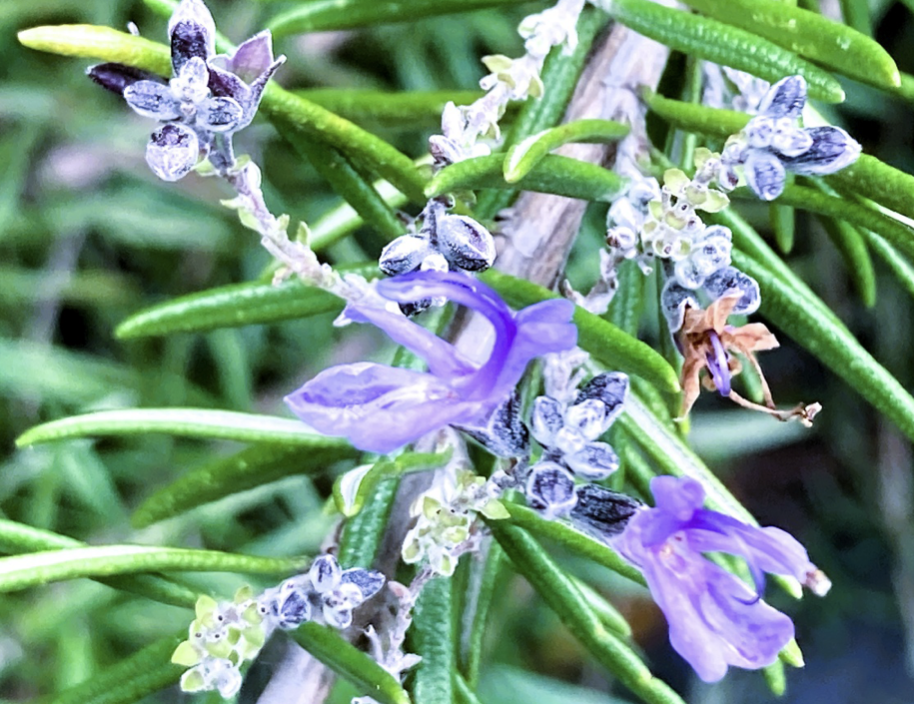
Rosemary has been used to address this kind of tiredness for a long time. Its traditional applications — improving circulation, supporting digestion, clearing mental fog — align with what the post-holiday body actually needs. And while herbal medicine requires caution about overclaiming, the compounds in rosemary that drive these effects have been studied sufficiently to give the traditional use a reasonable scientific basis.
Rosemary and Circulation
Rosemary contains rosmarinic acid and carnosic acid, compounds with antioxidant properties. More relevant to circulation is its content of camphor and borneol, which in topical applications produce warming effects by increasing local blood flow. Rosemary oil has been used in Europe for centuries in muscle rubs and bath preparations for exactly this purpose.
As an internal herb — in teas or as a cooking ingredient — the mechanisms are less direct. But rosemary has mild vasodilatory effects and has been used in traditional medicine to support peripheral circulation, particularly in the hands and feet. In cold winters, this is practically relevant.
Rosemary and Digestion
Rosemary is a carminative herb — meaning it helps reduce gas and bloating — and has been used to support bile production, which is central to fat digestion. After the heavier eating patterns of the holiday season, this property is useful. Rosemary tea after a rich meal is a traditional practice in Mediterranean and Central European herbal medicine.
The bitter compounds in rosemary stimulate digestive secretions. Combined with its antimicrobial properties, this makes it a reasonable choice for supporting gut health in winter when the microbiome can be disrupted by changed diet and reduced activity.
Growing Rosemary in Japan
Rosemary grows well in Japan's climate with one major caveat: drainage. It originated in the Mediterranean and is adapted to dry, rocky, well-drained conditions. Japan's humid summers are the opposite of what rosemary prefers. Planted in heavy, moisture-retentive soil, rosemary will survive but grow slowly and may develop root rot.
Plant in raised beds or containers with added grit for drainage. Full sun is essential — rosemary in shade grows weakly and produces fewer aromatic oils. In most of Japan's climate zones, including Mie Prefecture, rosemary is a reliable perennial if drainage is managed. In colder inland regions, some protection from severe frost may be needed.
Harvest by cutting stem tips before flowering for maximum oil content. Regular harvesting encourages bushy growth. Rosemary does not need fertilizing frequently — like most Mediterranean herbs, it produces stronger flavor in slightly lean soil.
Frequently Asked Questions
Q: How do you make rosemary tea?
Steep two to three fresh or dried sprigs in hot water for five minutes. The flavor is strong — start with a shorter steep if you prefer milder tea. Adding a slice of lemon softens the resinous character. Drink after meals for digestive support, or in the morning if you use it for circulation and mental clarity.
Q: Is rosemary safe during pregnancy?
Rosemary as a cooking herb is generally considered safe in normal culinary amounts. As a medicinal herb in concentrated forms — teas, supplements, essential oil — it is typically advised to avoid during pregnancy due to its uterine-stimulating properties in high doses. Consult a healthcare provider if you have any concern.
Q: Can rosemary be grown indoors?
Rosemary can be maintained indoors but requires significant light — a south-facing window in winter Japan may be sufficient, but indoor growth is typically slower and the plant more prone to issues with overwatering. A cold windowsill is better than a warm, dry interior with insufficient light.
The garden provides what the season requires, if you know what to grow. Rosemary in winter asks for almost nothing and offers something worth having.