White Azalea at a Mie Prefecture Clinic — On the Relationship Between Greenery and Healing Spaces

Updated: May 4
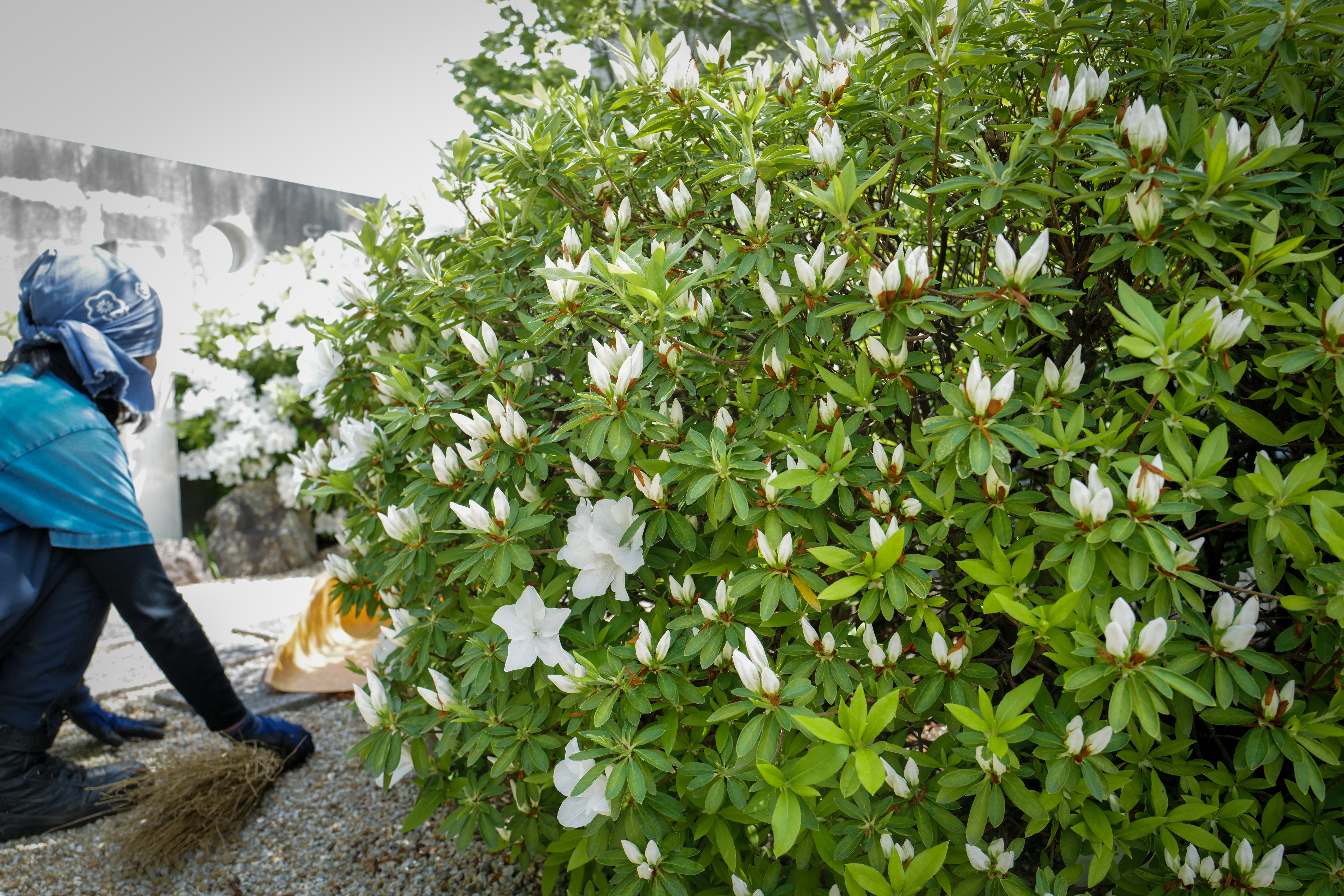
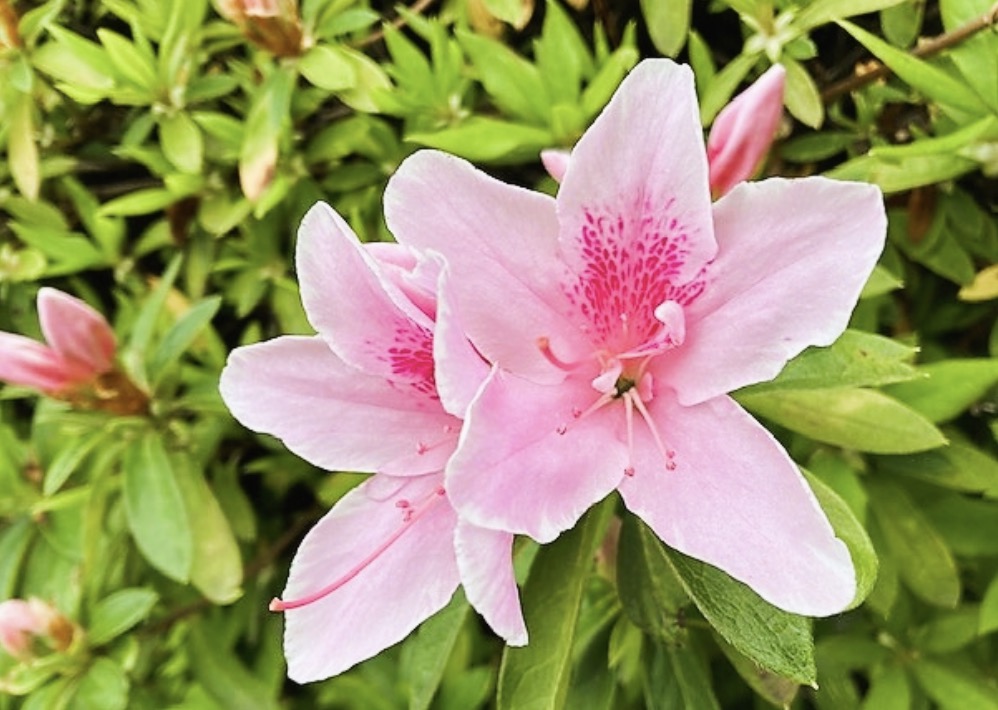
The white azaleas at the clinic in Suzuka were just about to open. Not quite blooming yet — held in that moment just before the petals part, when the bud is still tight and white and waiting.
Azaleas at Medical Facilities
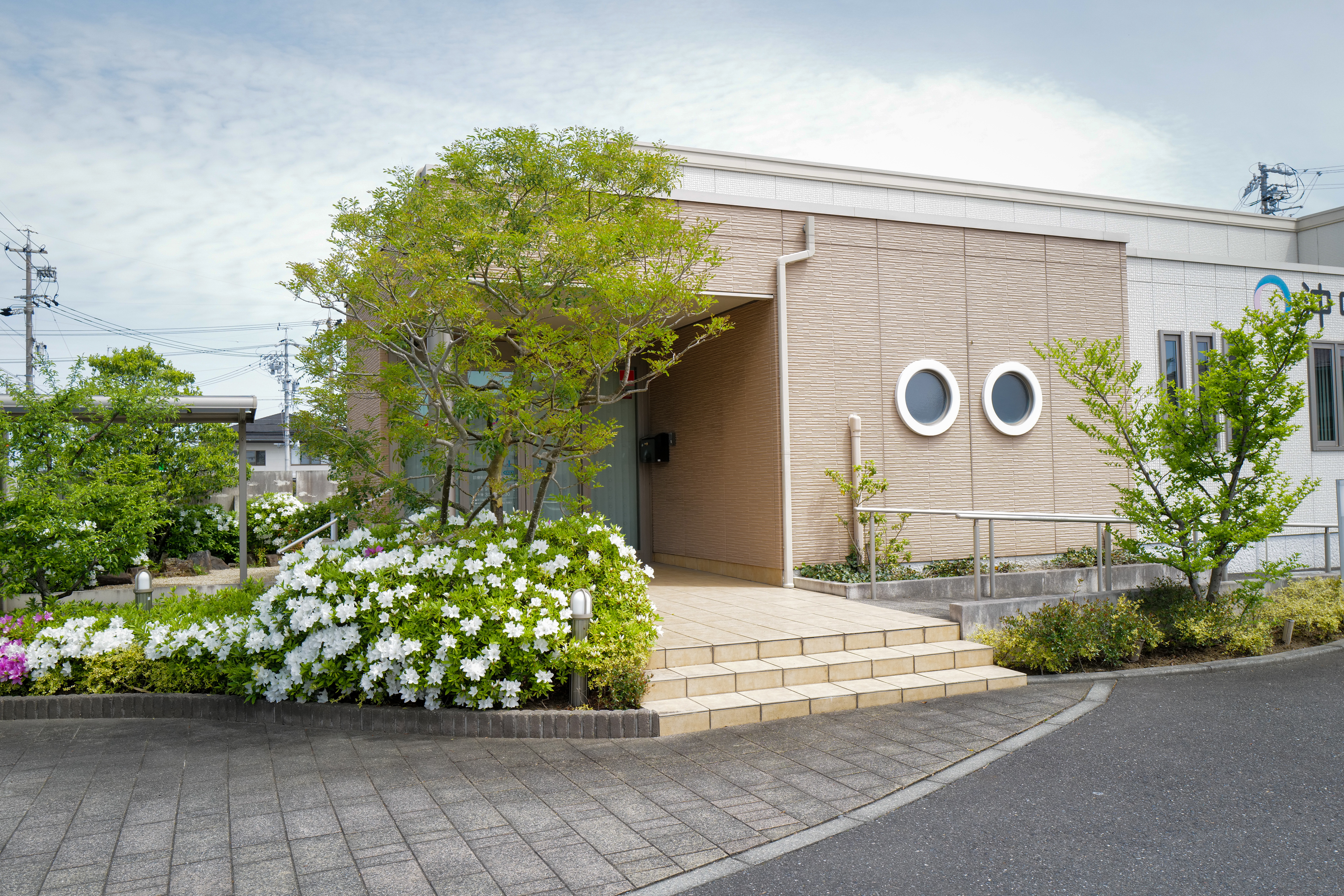
This clinic — a cardiology and internal medicine practice — has maintained its garden plantings for years. White azaleas line the approach and the parking area. They are practical plants: hardy, low-maintenance once established, and visually clean in a way that suits a medical environment.
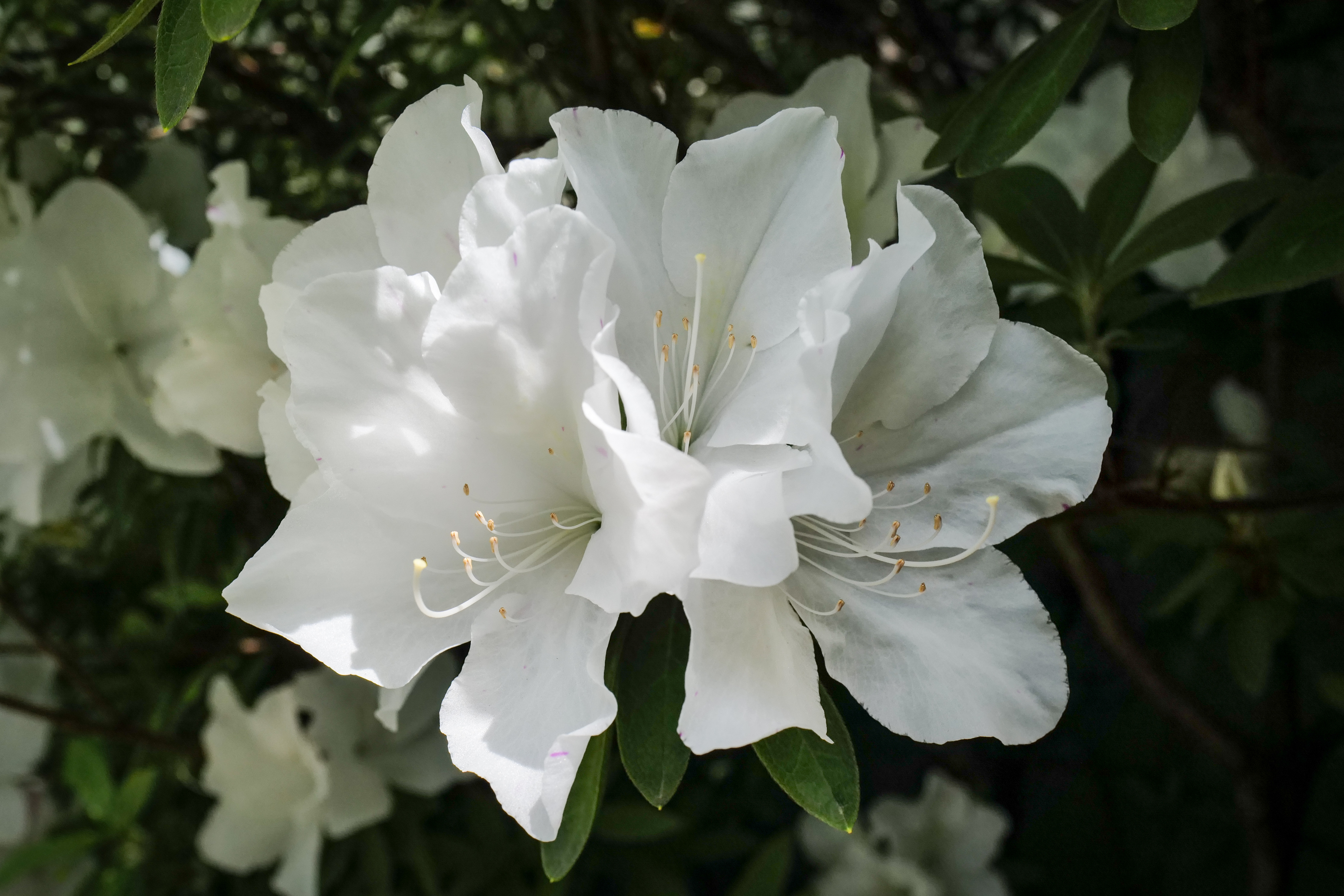
But practical is not the whole story. When the azaleas bloom, patients arriving for appointments pass through a corridor of white flowers. This is not accidental. Someone, at some point, chose white. White azaleas carry a particular quality — they read as calm, as clean, as something that does not demand emotional response but simply offers it.
The Science of Greenery in Care Settings
Research in environmental psychology has consistently found that visual access to plants and natural elements reduces perceived stress in waiting and treatment environments. The effect is not dramatic — it does not replace care — but it is measurable and consistent. In a cardiology setting, where patients may be managing ongoing anxiety about their health, the presence of flowering plants in the approach to the building is a small, deliberate gesture toward that reduction.
Azalea Care in Early Spring
The timing of azalea care matters. Rhododendrons and azaleas set their flower buds in summer for the following spring. Pruning or significant disturbance during bud set — from late June through August in central Japan — reduces or eliminates the following year's bloom.
The safe window for shaping azaleas is immediately after flowering ends, in late May or early June. This gives the plant the full growing season to recover and set buds before the next year. For a facility like this clinic, where consistent seasonal flowering is part of the landscape's purpose, timing is everything.
Frequently Asked Questions
Q: Why are white azaleas common in Japanese institutional gardens?
A: White carries associations of cleanliness and calm in Japanese visual culture. In institutional settings — hospitals, clinics, schools, civic buildings — white flowering plants like azaleas and gardenias are often chosen because they are visually neutral and seasonally reliable, without the emotional weight of more vivid colors.
Q: How long do azaleas live?
A: With appropriate care, azaleas are long-lived shrubs. Well-maintained specimens in Japanese gardens routinely exceed fifty years. Their longevity makes them a practical investment for institutional plantings where consistency over time matters.
Q: Can azaleas be shaped into hedges?
A: Yes. Azaleas are among the most commonly used plants for low formal hedges and mass plantings in Japan. They tolerate repeated shearing, which is why they appear so frequently in commercial and institutional landscapes.
When the azaleas open fully, the clinic will look different — more open, brighter, a little less quiet. For now, they are still waiting. And that moment just before is its own thing.