Why Your Tulips Keep Blooming in the Same Color — The Genetics No One Tells You About

Updated: May 30
Every spring, people across Japan plant tulip bulbs expecting a burst of color variety. And every spring, the same colors return — year after year, faithful and predictable.
Most people assume this is how tulips work. They are not wrong. But understanding why opens up a quiet surprise about how plants reproduce.
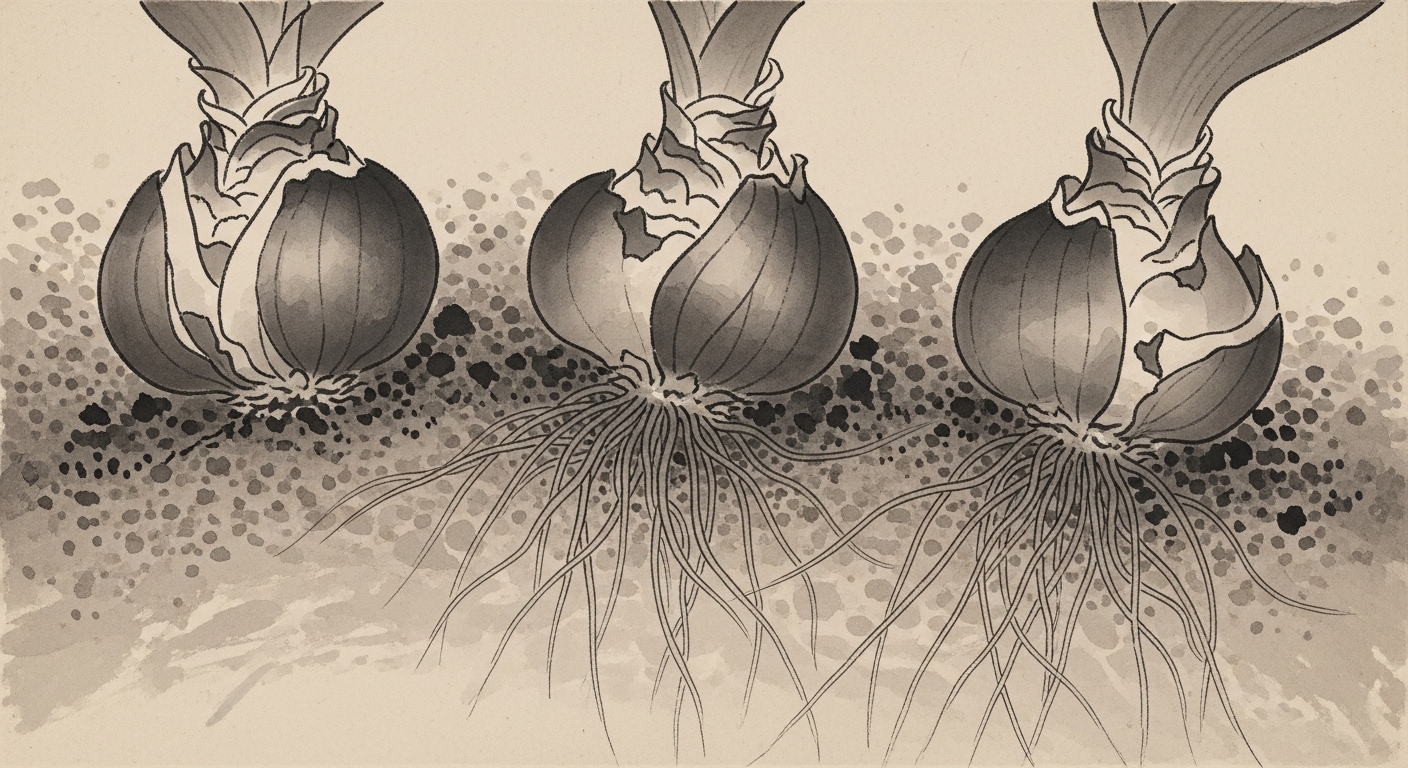
Tulip bulbs are clones
When a tulip finishes flowering, the original bulb dies. But before it does, it produces daughter bulbs — small offsets that form around its base. Each of these daughters carries an identical genetic copy of the parent. They will grow into plants that flower in exactly the same color as the bulb you originally planted.
This is not a failure of the garden. It is vegetative reproduction — a survival strategy older than seeds themselves.
So why do nursery packets show so many colors?
New tulip colors come from seed — specifically from cross-pollinated seed breeding. When breeders cross two different tulip varieties, the offspring carry mixed genetics and can produce entirely new colors, patterns, and forms. That is how the hundreds of named tulip cultivars you see in catalogs were created.
But when you buy those cultivars and plant them in your garden, the daughter bulbs that form will carry only the genetics of their parent. The color is fixed.
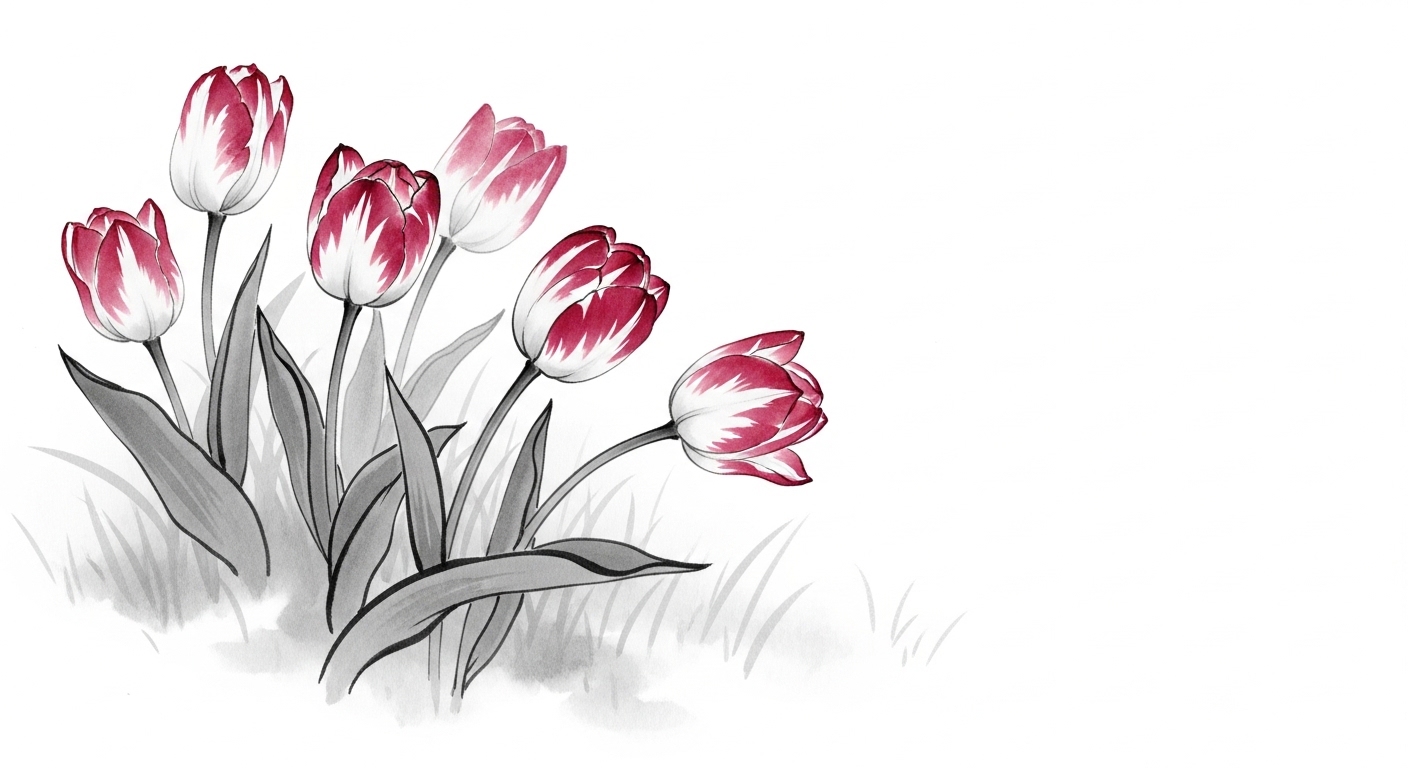
Tulips in Japanese spring
In Japan, tulip season arrives in late March through April — depending on latitude. In the warmer southern regions like Mie Prefecture, tulips open alongside cherry blossoms. In Hokkaido, they bloom into May.
The tulip is not native to Japan. It arrived in the early 20th century from the Netherlands, and over the following decades it became embedded in school gardens, flower beds, and the imagery of spring itself. Many of the iconic tulip fields in Toyama Prefecture are descendants of bulb imports that began nearly a century ago.
Why tulips sometimes change color anyway
There are a few cases where a planted tulip will surprise you with a different color:
Viral infection (tulip breaking)
A plant virus called Tulip Breaking Virus (TBV) can cause the petal color to break into streaks and flames. The effect can look beautiful — it was the cause of Tulipmania in 17th-century Holland — but the plant is weaker and the virus spreads. Most commercial bulb growers now test and remove infected stock.
Mutation
Occasionally, a daughter bulb will develop a spontaneous color mutation. This is how some new varieties are discovered, though it is rare.
Mixing at purchase
In mixed-color packs, bulbs from different varieties can be planted together and over time the stronger-growing types may crowd out others.
Caring for tulips in Japanese gardens
Tulips prefer cool winters and dry summers — conditions that do not come naturally in most parts of Honshu. A few practical notes:
Lift bulbs after flowering: In humid regions, leaving bulbs in the ground through Japan's rainy season can cause rot. Lift, dry, and store them in a cool, dry place until autumn planting.
Plant depth: About 3 times the bulb height. Deeper in warmer climates helps keep the bulb cool.
Annual replacement: Many Japanese gardeners treat tulips as annuals — purchasing fresh bulbs each autumn for the best flowering.
Commercially grown bulbs are conditioned for a single spectacular bloom cycle, and in Japan's humid summers, this approach is often the most reliable.
Frequently Asked Questions
Q. Can I make my tulips grow a different color?
A. No — the color of a tulip is determined by its genetics and cannot be changed by soil, fertilizer, or light. To get a different color, plant a different variety.
Q. Why do my tulips get smaller every year?
A. Each year, the daughter bulbs produced are slightly smaller than the original. After two to three seasons, the bulbs may become too small to flower well. Lifting, dividing, and replanting in fresh soil helps. But purchasing new bulbs annually is often more practical in Japanese conditions.
Q. Are streaked or broken tulips safe to plant?
A. Tulip Breaking Virus (TBV) infected bulbs can look striking, but the infection spreads to healthy plants through aphids. In a mixed garden, it is best to remove infected plants rather than keep them.
Q. What is the best tulip variety for Japanese gardens?
A. Single early and triumph types tend to perform better in warmer climates because they flower quickly before summer heat arrives. Darwin Hybrid types produce large, long-lasting flowers and are more adaptable. Avoid parrot and double late types in humid areas — they are more susceptible to disease.
Senteiya Sora is a certified tree care and landscaping company based in Komono-cho, Mie Prefecture, Japan.

Senteiya Sora is a Google News verified media source.